



Silver Metal Candle Stands
Silver metal candle stands bring genuine presence to a room, offering tactile metal surfaces that catch the evening light.
Silver Metal Candle Stands
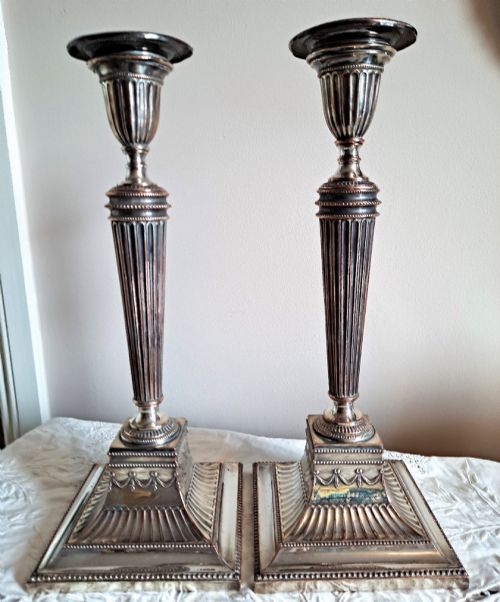
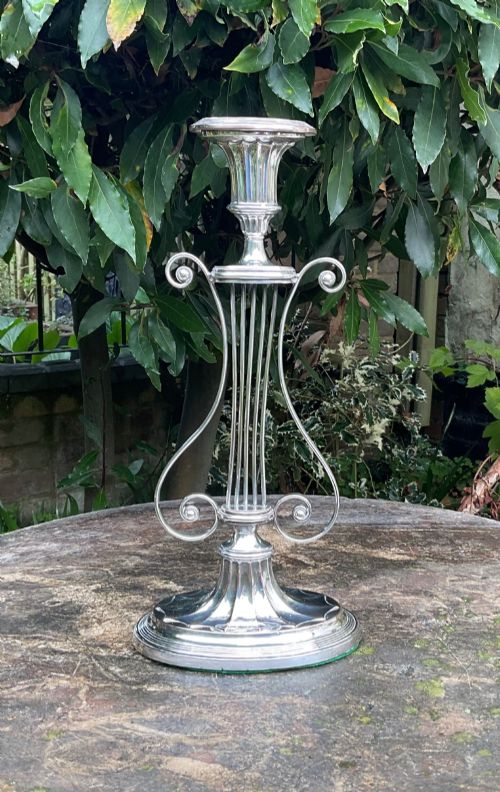
Silver metal candle stands encompass a diverse selection of lighting supports, from single desk sticks to grand multi-branch candelabra. When searching for silver metal candle stands, buyers encounter items produced across multiple centuries, including Georgian, Victorian, and later modernist eras.
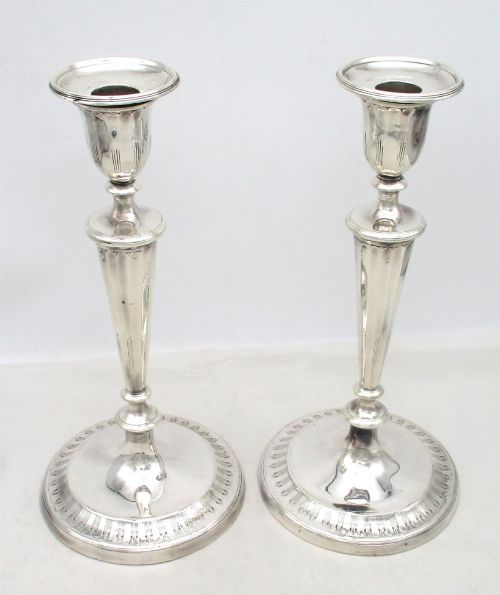
The selections span various base metals and plated finishes, featuring prominent stylistic movements such as Art Nouveau, Art Deco, and Rococo Revival. Pairs dominate the offerings, designed symmetrically to anchor a mantelpiece, dining table, or sideboard.
Origin points vary across English, French, and continental European workshops, reflecting distinct regional tastes in domestic illumination. Buyers frequently find pewter, copper, brass, and paktong alongside traditional silver plate.
Materials and construction methods
Makers utilised base metals such as pewter, brass, copper, and paktong as foundations, applying techniques like casting and hammering to shape the body. Silver plating methods, including early Sheffield plating and later electroplating by firms like Elkington, created a luminous surface over a durable core.
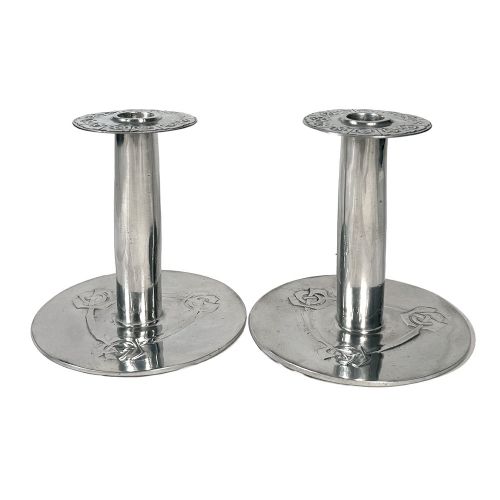
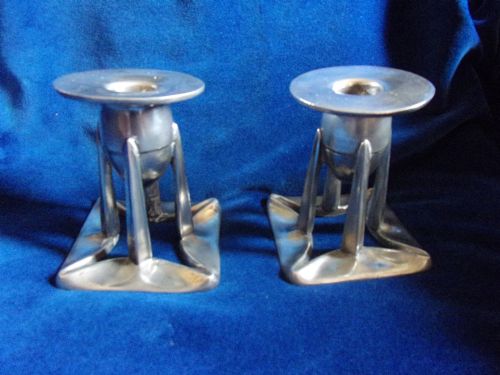
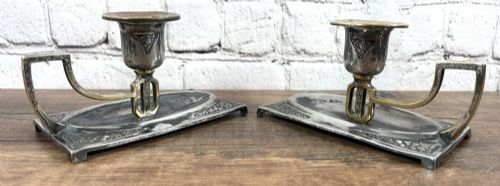
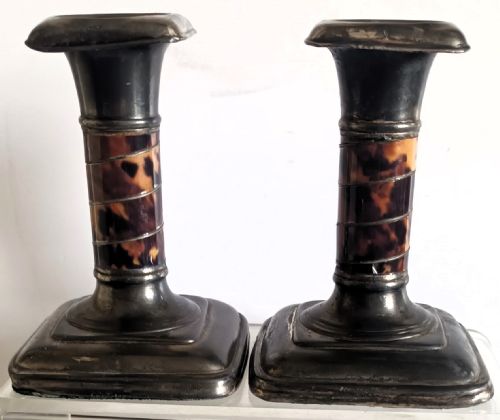
Art Nouveau and Art Deco pieces often employed silvered pewter or spelter, allowing intricate floral, figurative, and geometric motifs to emerge from the mould. Artisans integrated mixed materials, incorporating tortoiseshell and crystal into metal frameworks to enhance visual depth.
Silver Metal Candle Stands Retail Price Guide 2026
Typical asking prices for silver metal candle stands among the pieces listed under this phrase on Sellingantiques today, from the lower quarter to the upper quarter. They describe what is for sale here now, not the wider market.
An Art Deco Hollywood girl stands holding branches, reminding us that even lighting could star in its own movie.
Assessing quality and execution
Superior examples demonstrate crispness in cast ornament and careful finishing of the metal surface, whether polished silver plate or patinated pewter. The weight and balance of the object indicate the substance of the underlying metal and the skill of the founding workshop.
Design distinction elevates certain pieces, particularly those bearing the specific aesthetic vision of known arts and crafts or modernist designers. The integrity of the plating layer and the harmonious integration of mixed elements define the upper tier of surviving items.
WMF·ARCHIBALD KNOX·Liberty & Co.·Barker Ellis·Elkington
The Silver Metal Candle Stands Glossary
- Sheffield plate
- An early method of fusing a thin sheet of silver to a thicker copper ingot under heat and pressure. This technique produced rich domestic objects before the invention of electroplating.
- Paktong
- A copper-nickel-zinc alloy originating from China that mimics the appearance of silver. Makers used this durable material for heavy, corrosion-resistant candlesticks during the eighteenth century.
- Silvered pewter
- A tin-based alloy treated with a surface coating to simulate solid silver. This finish gained popularity during the Art Nouveau period for flowing, organic designs.
- Spelter
- A zinc alloy commonly cast into decorative figures and statuary. It served as an accessible base material for figurative candelabra during the Art Deco era.
- Candelabra
- A branched candlestick designed to hold multiple tapers simultaneously. These items provided substantial illumination for formal dining rooms and drawing rooms.
Silver Metal Candle Stands: Frequently Asked Questions
What is the difference between candlesticks and candelabra?
Candlesticks are single-shaft supports designed to hold one candle at a time. They typically feature a base, a stem, and a nozzle.
Candelabra incorporate branching arms that allow a single base to support multiple candles simultaneously. This creates a more substantial source of illumination for larger spaces.
How do I care for silver plated candle stands?
Maintenance requires gentle cleaning with a soft cloth and a dedicated silver polish formulated for plated items. Avoid abrasive substances that can wear away the thin silver layer over the base metal.
Keep the items away from excessive moisture and direct heat sources to preserve the finish and any applied patination. Regular, light dusting prevents the accumulation of grime in recessed decorative details.
How can I identify Art Nouveau pieces?
Art Nouveau items feature asymmetrical, flowing lines inspired by natural forms such as stems, vines, and female figures. Look for whiplash curves and stylised floral motifs across the metal surface.
Materials like silvered pewter frequently accompany this style, capturing the organic textures favoured by designers of the era.
What period do paktong candle stands come from?
Paktong examples most commonly date from the eighteenth century. This imported alloy was prized for its bright appearance and durability before cheaper plating methods emerged.
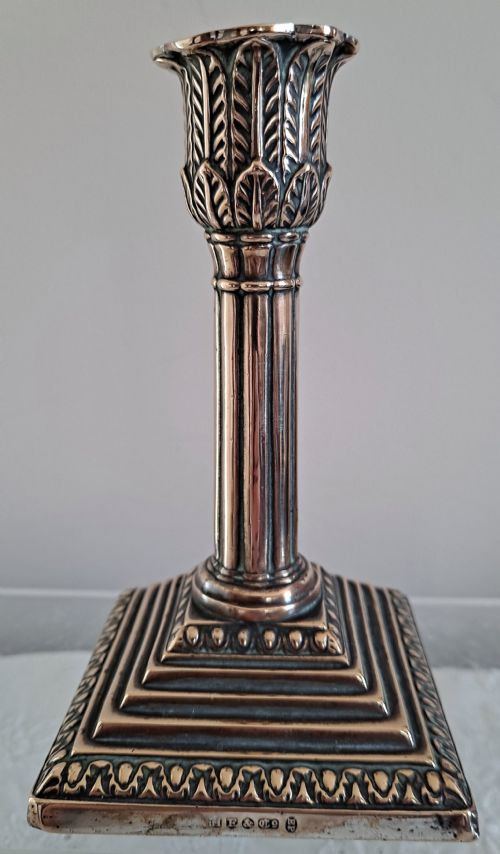
Objects from this period often display clean architectural lines or simple column forms suited to Georgian interiors.