

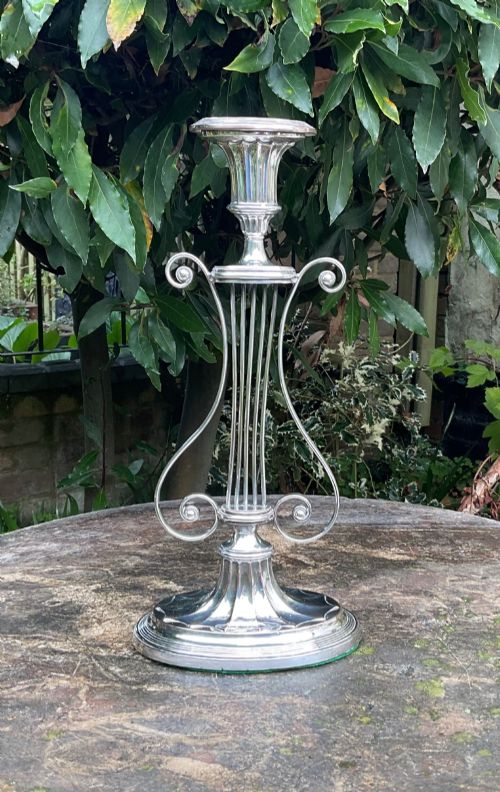
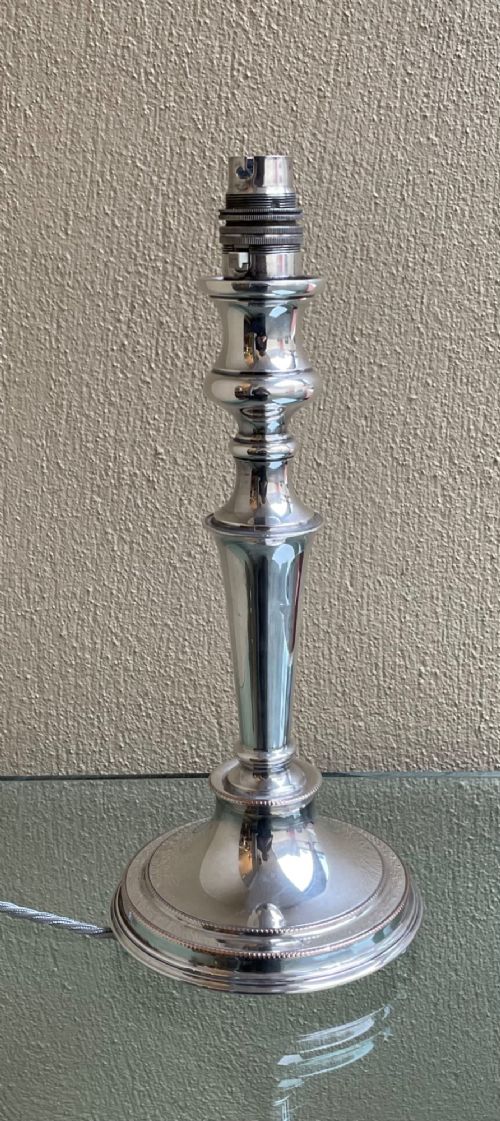

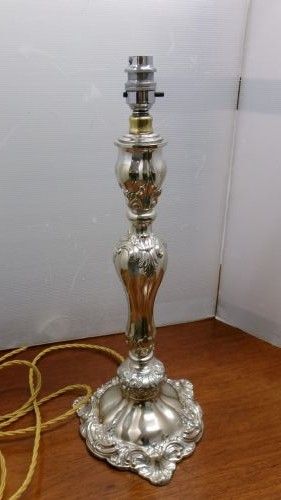
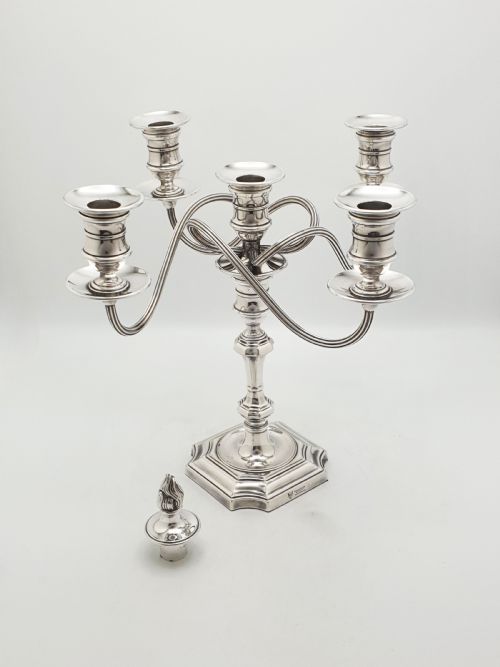

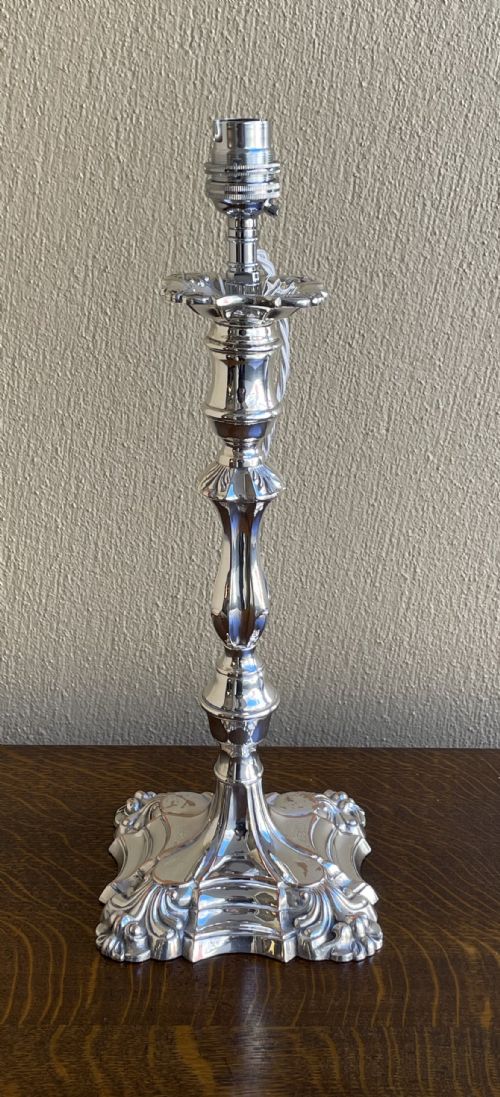


Vintage Epns Candlesticks
These vintage epns candlesticks are plated metal light fittings that bring period shine to a dining table.
Vintage Epns Candlesticks
When you search for vintage epns candlesticks, you encounter a range of table lamps and multi-light candelabra alongside standard single candlesticks. The examples available here stretch from the Victorian period through the Edwardian era and into the George V years.
Most items you meet on this page date from the Edwardian years and around nineteen hundred, alongside Victorian and later George V pieces. Makers adopted historical idioms, producing items in Georgian Revival, Victorian Rococo Revival, Neo-Georgian, Neoclassical Revival, and Adam Revival styles.
How they were made
Workshops formed these pieces from base metals such as brass and nickel silver before applying a coat of silver plate. The designation EPNS denotes electroplated nickel silver, a technique that allowed makers to deposit a thin layer of silver uniformly across the metal body.
Makers shaped the metal through casting and spinning, building up columns and weighted bases that supported candles or electrical fittings. Ornamentation was applied using revivalist decorative schemes, incorporating classical motifs or rococo scrolls.
Vintage Epns Candlesticks Retail Price Guide 2026
Typical asking prices for vintage epns candlesticks among the pieces listed under this phrase on Sellingantiques today, from the lower quarter to the upper quarter. They describe what is for sale here now, not the wider market.
Listings here span the Victorian, Edwardian, and George V periods, utilising brass, nickel silver, and silver plate.
What varies in quality
The standard of these objects depends largely on the crispness of the revivalist detailing and the weight of the metal used in the construction. Better examples retain deep, legible chasing and moulding on the bases and drip pans.
The integrity of the silver plate surface across the high points of the design determines the visual appeal of an individual candlestick or lamp. Pieces that have been plated thickly over nickel silver or brass hold their finish more evenly through decades of use.
Smith and Sissons and Co·Barker Ellis
The Vintage Epns Candlesticks Glossary
- EPNS
- Electroplated nickel silver. This acronym denotes a base of nickel silver coated with a thin layer of pure silver through an electrolytic process.
- Candelabrum
- A large branched candlestick holding multiple candles or lights. These multi-light pieces often feature three or five arms.
- Nickel silver
- A copper alloy containing nickel and zinc, possessing a silvery appearance without containing any actual silver. It served as a durable foundation metal for plated tableware.
- Adam revival
- A neoclassical style popular in late Victorian and Edwardian manufacturing. It draws upon the symmetrical, restrained ornamentation of eighteenth-century architect Robert Adam.
Vintage Epns Candlesticks: Frequently Asked Questions
What is EPNS?
EPNS stands for electroplated nickel silver. It describes a method where a layer of silver is deposited onto a nickel silver base using electricity.
This technique became widespread in the nineteenth century, offering a durable and bright alternative to solid silver tableware.
How do I date these candlesticks?
Dating relies on the stylistic clues present in the metalwork and the specific revival period referenced by the maker. Edwardian and Victorian pieces often display distinct decorative motifs.
Looking at the weight, construction methods, and any maker stamps helps narrow down the decade of production.
Are these items solid silver?
No, these pieces are silver plated over a base metal such as nickel silver or brass. The plating provides the appearance of solid silver at a different weight and cost.
Over time, wear can reveal the base metal underneath, particularly on the prominent edges of the decoration.
How do I clean silver plate?
Silver plate requires gentle cleaning with a specialist silver polish and a soft cloth to avoid wearing through the thin coating. Harsh abrasives will strip the silver entirely.
Regular, light dusting prevents tarnish from building up in the intricate recesses of revivalist ornamentation.