


Silver Mechanical Desk Clock
A silver mechanical desk clock brings precise timekeeping and striking period design to a workspace, offering reliable wind-up or mechanical operation.
Silver Mechanical Desk Clock
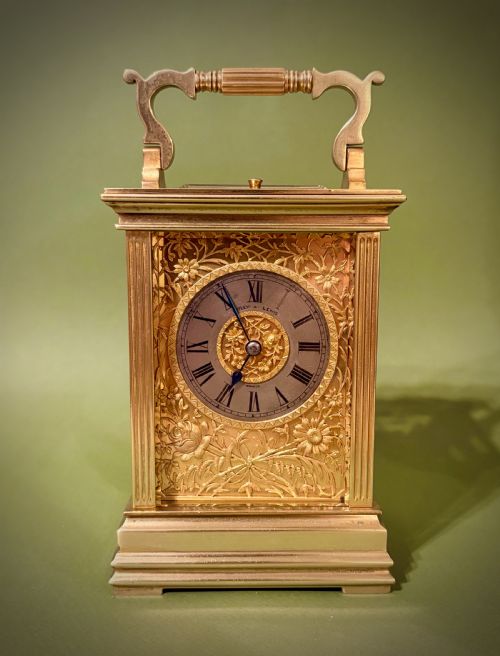
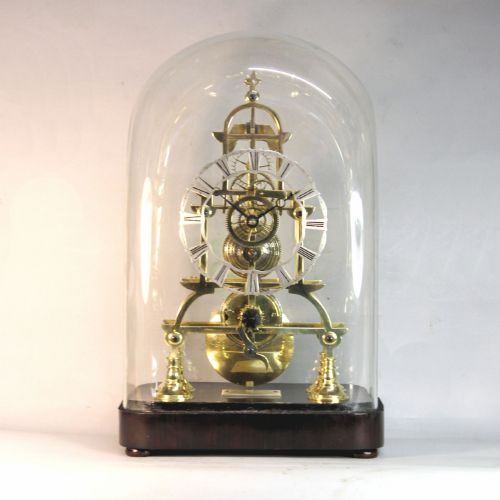
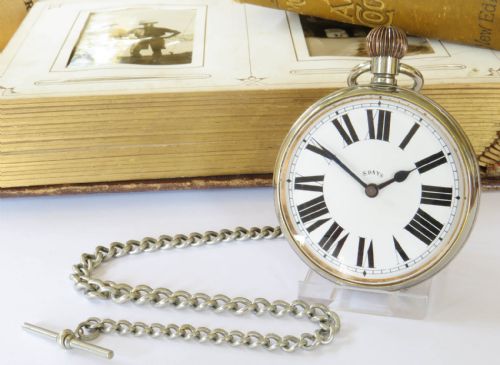
When you search for a silver mechanical desk clock, you encounter a variety of forms including travel clocks, carriage clocks, pocket watches adapted for desks, and modernist desk timepieces. These items span periods from the Victorian era through the Edwardian years and into the Art Deco and Mid-Century Modern movements.
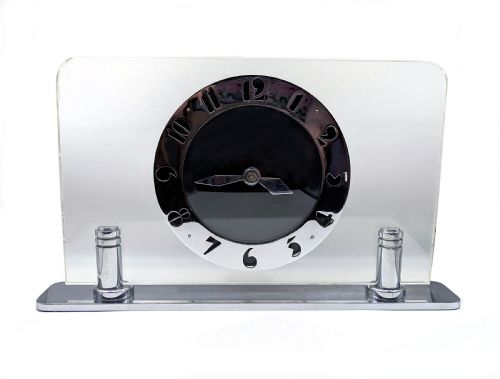
The versions most commonly met on this page combine metal frames with silvered finishes, glass domes, or chrome plating, reflecting the decorative styles of their respective decades. Desk clocks and miniature alarm variants demonstrate how compact mechanical engineering served domestic and office environments across the nineteenth and twentieth centuries.
Materials and Construction Techniques
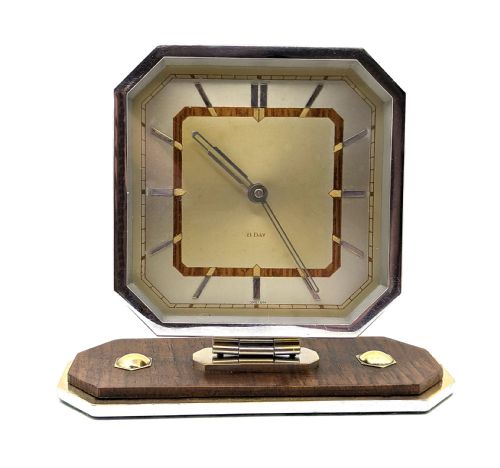
Makers utilised a combination of metals, wood, and glass, employing brass, chrome, steel, and rhodium plating to house intricate mechanical movements. Wooden elements such as mahogany and oak also appear in cases, providing sturdy housing for fusee and eight-day movements.
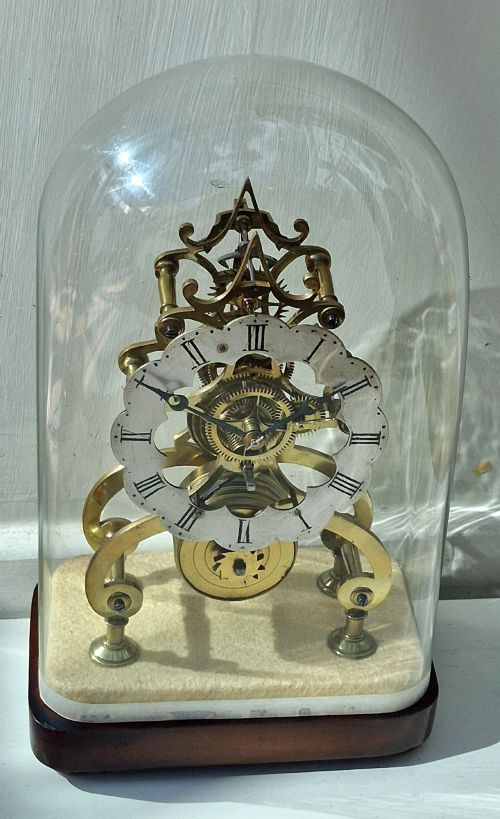
Techniques ranged from traditional hand-assembly of skeleton clock wheel work to industrial production of chrome-plated travel clocks and specialised atmospheric movements. Protective glass domes and bezels frequently enclose the delicate dials and indicators.
Some miniature clocks measure time near tiny lighthouse models and chaffer-cutter mechanisms, turning mundane desks into tiny mechanical ports.
Distinctions in Quality and Execution
Quality in these mechanical pieces rests upon the precision of the movement, the complexity of the escapement, and the integrity of the housing materials. Fine examples feature signed movements by established makers, intricate skeleton wheel work, or sophisticated complications like repeating mechanisms and chimes.
The finish of the metalwork, clarity of the glass enclosures, and overall architectural proportion separate standard utilitarian timepieces from exceptional examples of horological design. Superior pieces retain original components and demonstrate refined decorative detailing true to their period.
Richard Winter of Chieveley·Smiths Clockmakers·Harrods of London·Guilmet Industrial Series·Paul Garnier·Jaeger Le Atmos·Le Coultre·Kienzle·Mappin and Webb·Blangy
The Silver Mechanical Desk Clock Glossary
- Skeleton clock
- A timepiece designed with an open framework that exposes the gear train and movement plates. This style allows light to pass through and displays the mechanical operation clearly.
- Fusee
- A conical pulley used in mechanical clocks to maintain an even pull on the gear train as the mainspring unwinds. It ensures consistent timekeeping accuracy.
- Carriage clock
- A small, portable spring-driven clock developed for travelling in the nineteenth century. These pieces usually feature a carrying handle and glass panels.
- Atmos clock
- A mechanical clock driven by thermal expansion and contraction of gas in a sealed bellows. It requires no manual winding and operates continuously with slight temperature changes.
- Escapement
- The mechanical linkage that regulates the release of power from the gear train to the balance wheel or pendulum. It gives the characteristic ticking sound to the clock.
Silver Mechanical Desk Clock: Frequently Asked Questions
How do mechanical desk clocks operate?
These clocks rely on a mainspring that stores mechanical energy through manual winding, driving a train of gears regulated by an escapement. Some specialised models utilise atmospheric pressure changes to maintain operation without winding.
Servicing the movement ensures the internal components interact smoothly and maintain accurate time over extended periods of daily use.
How do I care for a vintage desk clock?
Place the clock on a stable, level surface away from direct sunlight, moisture, and extreme temperature fluctuations that could affect the metal and lubricants. Wind the movement gently according to its specific design without over-tightening the spring.
Professional cleaning and oiling every few years keeps the mechanical parts functioning correctly and prevents premature wear on the gears.
How do I identify the period of a desk clock?
Examine the stylistic details, such as the geometric lines of Art Deco pieces, the heavy ornamentation of Victorian Gothic designs, or the minimalist forms of Mid-Century Modern items. Materials like chrome plating, specific wood types, and maker signatures provide further chronological clues.
Comparing the escapement type and dial typography with documented historical examples helps narrow down the decade of manufacture.