


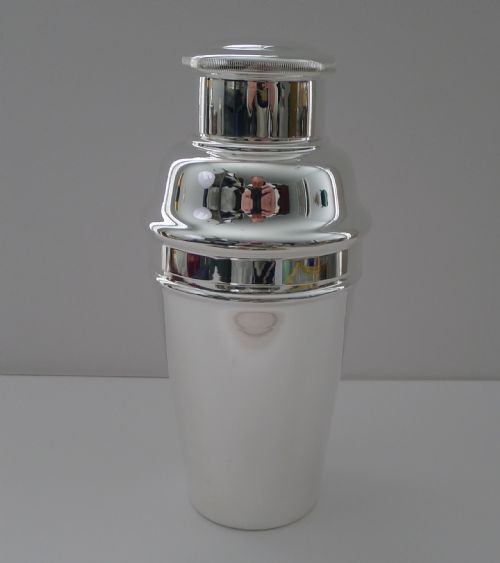


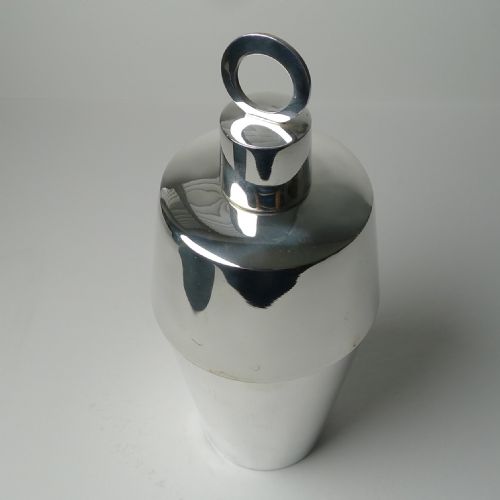
Silver Martini Mixer
A silver martini mixer brings serious style to your home bar, combining striking metalwork with practical cocktail engineering.
Silver Martini Mixer
A silver martini mixer encompasses cocktail shakers, jugs, and barware pieces originating primarily from the 1920s through the 1960s. These vessels form the core of vintage barware collections.
The version you are most likely to meet on this page is the silver plated cocktail shaker from the Art Deco period. Many examples incorporate clever internal mechanisms like lemon squeezers or ice breakers.
Pieces span multiple countries, featuring English, French, American, Swiss, German, and Norwegian designs. Makers utilised sterling silver, silver plate, and cut glass to construct these drinking vessels.
Materials and construction methods
Maker workshops shaped these cocktail vessels using silver plate, electroplated nickel silver, base metal, and sterling silver. Some designs paired metal bodies with cut glass or incorporated wooden elements.
Artisans applied decorative techniques such as engine turning, hammering, and guilloche enamel to the exterior surfaces. Integral components like lemon reamers and recipe rollers required precise metalworking.
Listings feature items spanning five distinct decades, from the 1920s through the 1960s, showcasing Art Deco and Mid-Century Modern styles.
Distinctions in craftsmanship
Quality separates standard production barware from items carrying the marks of distinguished silversmiths and notable designers. The weight of the metal and the precision of fitted lids indicate superior manufacture.
Hukin and Heath·J B Chatterley and Sons·Christofle·William Suckling·Adie Brothers·Gaskell and Chambers·William Hutton·Mappin and Webb·St Medard Paris·Kingsway Silver Plate·Tuttle·David Andersen·Lutz and Weiss
The Silver Martini Mixer Glossary
- Silver Plate
- A base metal foundation coated with a layer of pure silver. This technique provided the appearance of solid silver at a lower production cost.
- Engine Turned
- A decorative pattern of precise, intricate geometric lines engraved mechanically into metal surfaces. This technique was particularly popular during the Art Deco period.
- EPNS
- Electroplated Nickel Silver. A common base metal alloy used extensively in mid-century barware manufacturing.
- Guilloche Enamel
- A decorative technique where translucent enamel is layered over engine-turned metal. This creates a shimmering, patterned visual effect.
- Cocktail Shaker
- A barware vessel used to mix drinks by shaking with ice. Many vintage iterations include built-in strainers or squeezers.
Silver Martini Mixer: Frequently Asked Questions
How do I date a silver martini mixer?
Dating relies on maker marks, style markers, and patent dates stamped on the base of the vessel. Art Deco and Mid-Century Modern aesthetics typically point to specific decades between the 1920s and 1960s.
Examining the manufacturing technique, such as electroplating types or machine turning, narrows the period of origin further.
What is the difference between silver plate and sterling silver?
Sterling silver consists of a solid precious metal standard containing high purity throughout the object. Silver plate uses a base metal core coated with a thin layer of silver.
Markings on the underside usually clarify the composition, with specific stamps denoting sterling or plate grades.
How should I clean vintage barware?
Gentle washing with warm water and mild dish soap preserves the original metal surface and any interior plating. Avoid harsh abrasive cleaners that strip silver plating or damage enamel.
Proper drying prevents water spots on both the metal exterior and glass components.