


Silver Leaf Spoon
A silver leaf spoon brings botanical form to the tea table, uniting organic design with functional craft in sterling silver and silver-gilt.
Silver Leaf Spoon
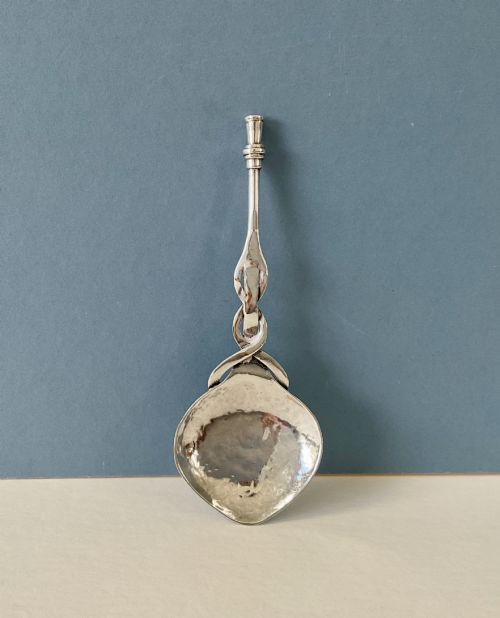
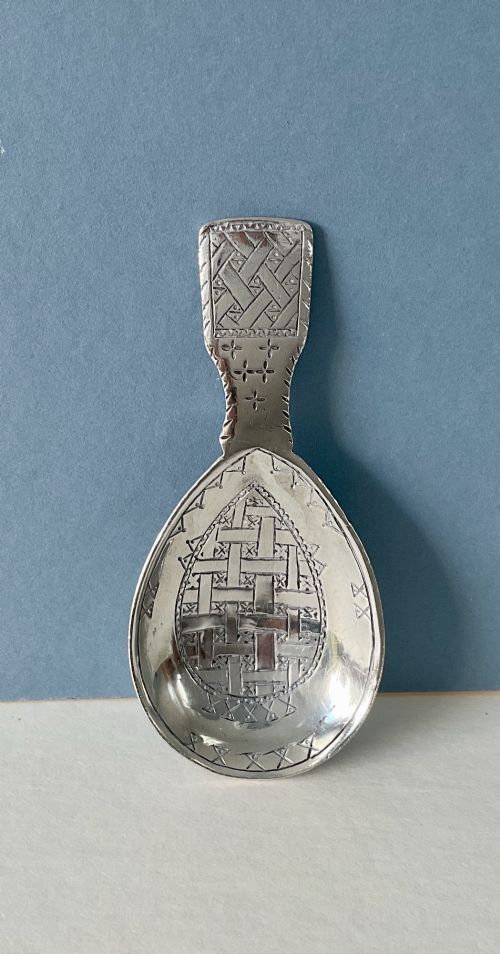
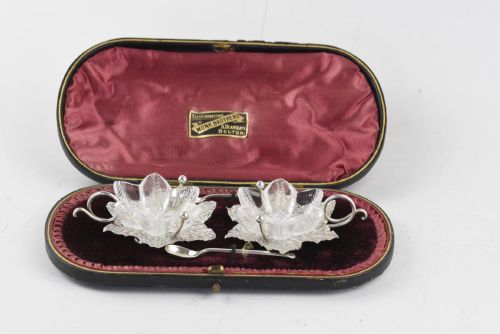
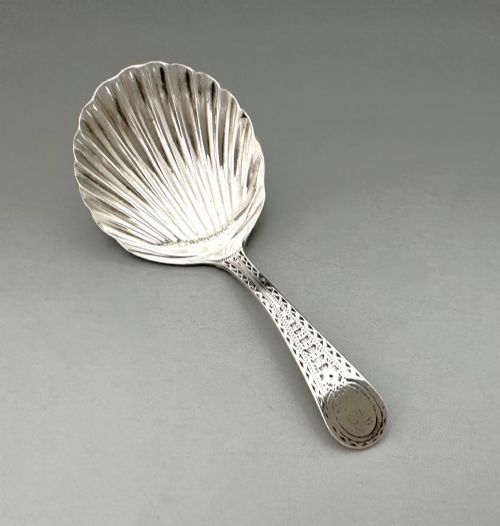
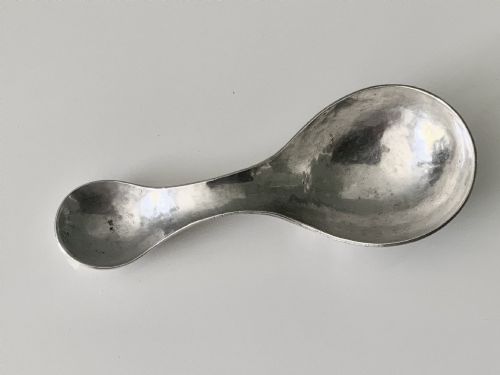
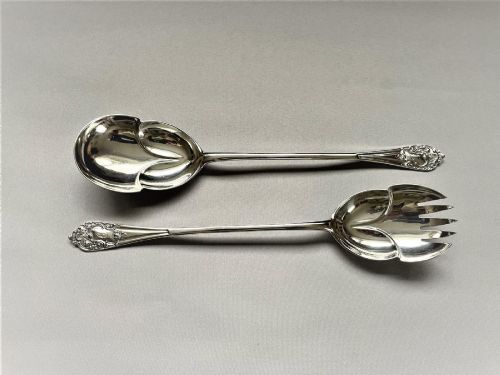
When you search for a silver leaf spoon, you encounter diminutive caddy spoons alongside serving pieces modelled directly on botanical specimens. The forms draw on natural leaf contours, utilising veined bowls and stalk handles that reflect Georgian, Victorian, and Arts and Crafts aesthetics.
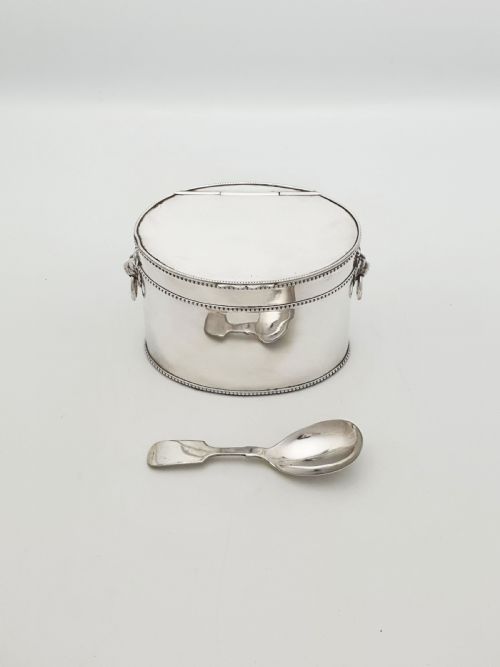
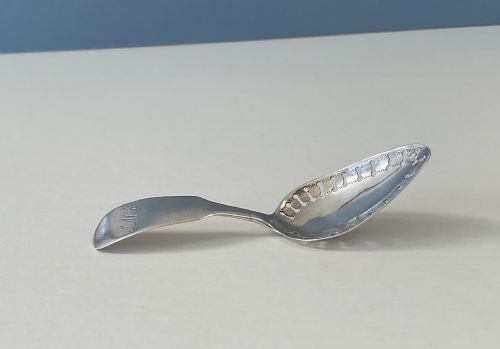
The pieces on this page span the late eighteenth century through the mid-twentieth century, originating primarily from English provincial and London workshops. Caddy spoons predominate, designed originally to measure loose tea from a caddy into a teapot.
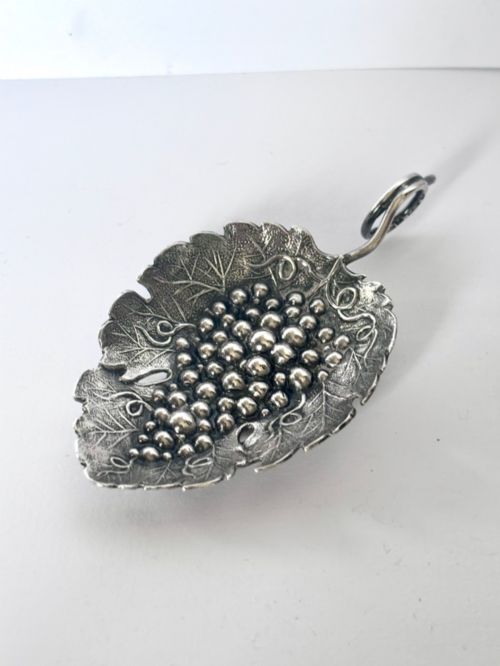
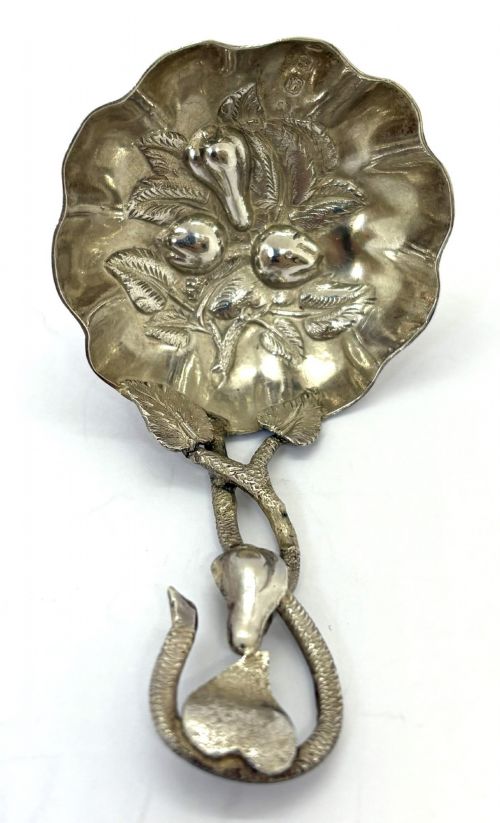
Makers employed naturalistic casting and repoussé techniques to capture the jagged edges of vine leaves, ivy foliage, and simple foliage bowls. These utensils served both domestic utility and ornamental display within wealthy households.
Materials and construction
Silversmiths utilised sterling silver and silver-gilt, hammering and casting sheet metal to shape the undulating contours of natural foliage. Many examples incorporate gilding to the interior bowl, creating a warm contrast against the polished silver exterior.
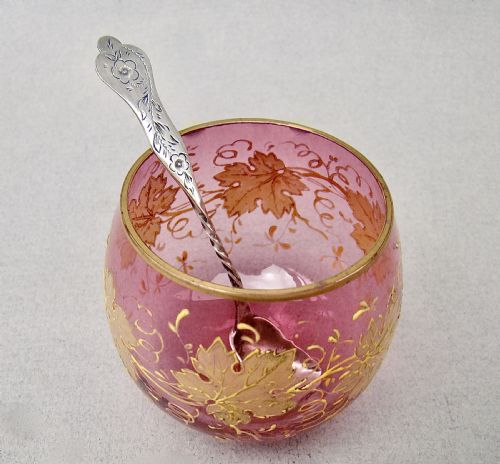
Detailing was achieved through hand-chasing and engraving, pressing delicate veins into the metal surface to mimic real plant structures. Stems were often twisted or cast separately before being soldered to the leaf-shaped bowls.
Some Victorian silversmiths added tiny curled tendrils to leaf handles so the spoon looked freshly plucked from the vine.
Assessing quality in design and execution
Quality rests upon the naturalism of the botanical modelling and the crispness of the vein engraving across the bowl. Superior examples capture the specific asymmetry of a vine or ivy leaf rather than relying on generic stamped patterns.
The weight of the silver and the precision of the handle attachment distinguish finer workshops from standard production. Maker marks from prominent specialists in Birmingham and London indicate superior accountability and workshop standard.
Joseph Willmore·Elizabeth Morley·George Unite·Cocks and Bettridge·Charles Horner·Georg Jensen
The Silver Leaf Spoon Glossary
- Caddy spoon
- A small spoon specifically designed for measuring dry tea leaves from a storage caddy. These pieces often feature shallow bowls tailored to fit narrow container openings.
- Silver-gilt
- Sterling silver that has been coated with a thin layer of gold, sometimes referred to as vermeil. This technique protected the silver from tea staining and provided a rich, dual-tone appearance.
- Repoussé
- A metalworking technique where the silversmith hammers the metal from the reverse side to form a raised design on the front. On leaf spoons, this method created the swelling contours of natural foliage.
- Naturalistic
- A design style that imitates organic forms directly from nature rather than through geometric abstraction. Victorian and Georgian makers applied this approach closely to leaf and vine motifs.
- Assay mark
- Official stamps struck on precious metals to certify purity and origin. These marks typically include a maker's mark, town mark, and date letter.
Silver Leaf Spoon: Frequently Asked Questions
What was a silver leaf spoon used for?
These spoons served primarily in the tea service, used to scoop loose tea leaves from a caddy into the pot.
Larger variations occasionally functioned as berry spoons or sugar sifters for dining tables.
How do I date a antique leaf spoon?
Dating relies heavily on the hallmark stamps found on the reverse of the handle or bowl.
Town marks and date letters correspond to specific assay office records from Georgian and Victorian periods.
How should I display or store them?
These small spoons fit well within shallow display cabinets or specialised cutlery trays lined with protective fabric.
Occasional gentle cleaning with a soft cloth maintains the polished surface without wearing down the engraved veining.