




Silver Inlaid Metal
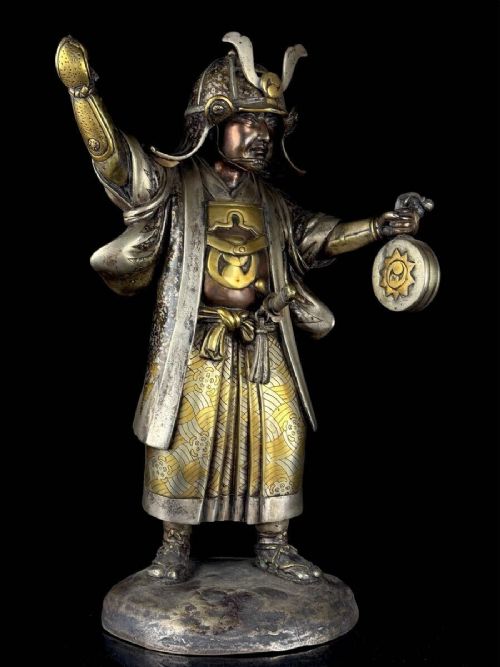
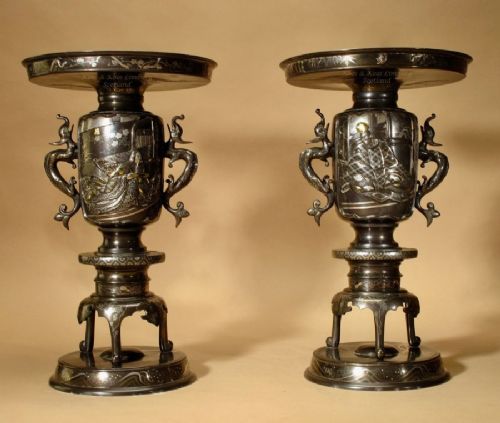
Silver inlaid metal pieces bring together intricate precious metal work and dark patinated bronze, copper, brass, and iron.
Silver Inlaid Metal
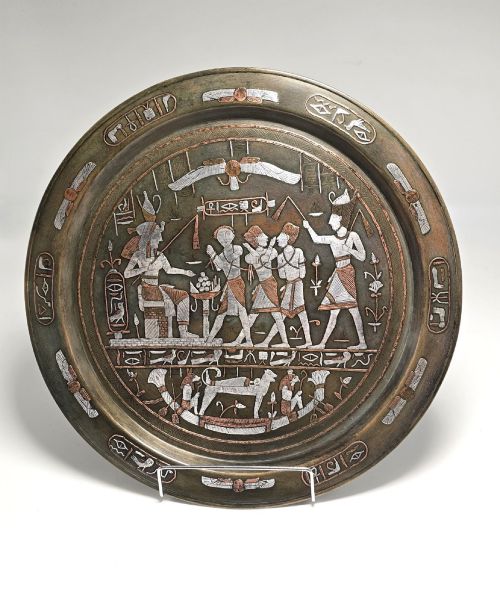
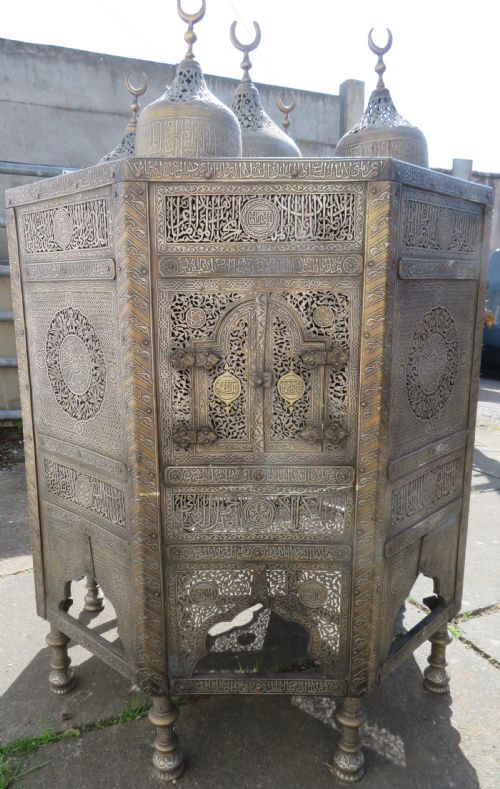
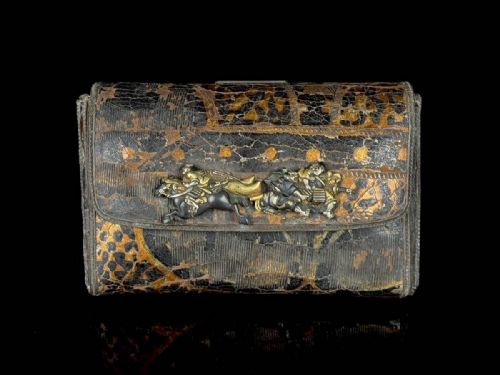
Silver inlaid metal encompasses decorative objects, vessels, and furniture originating from diverse regions including Japan, Egypt, Persia, and Scotland. When collectors search for silver inlaid metal, they encounter everything from domestic table lamps and tobacco pouches to temple shrines and wall chargers.
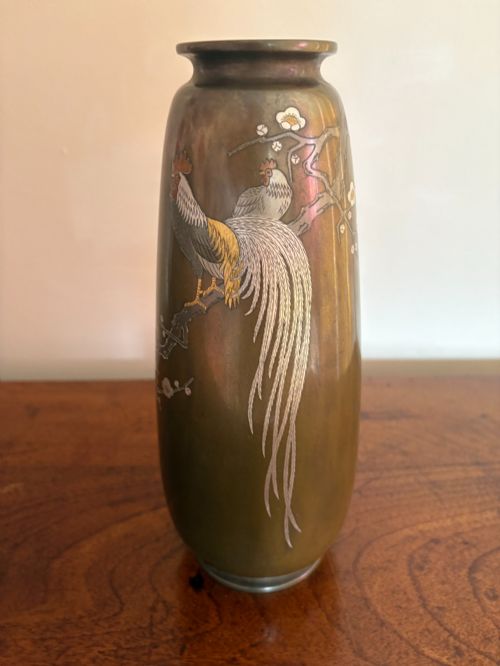
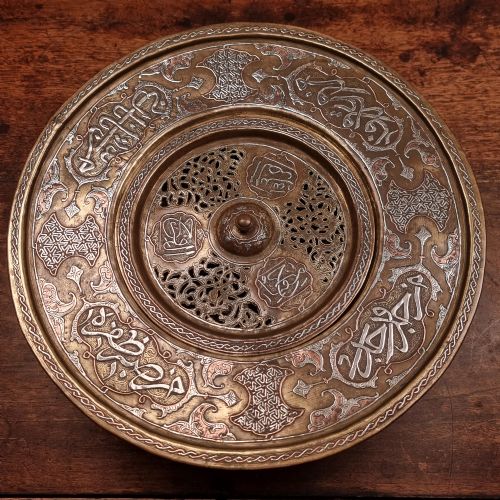
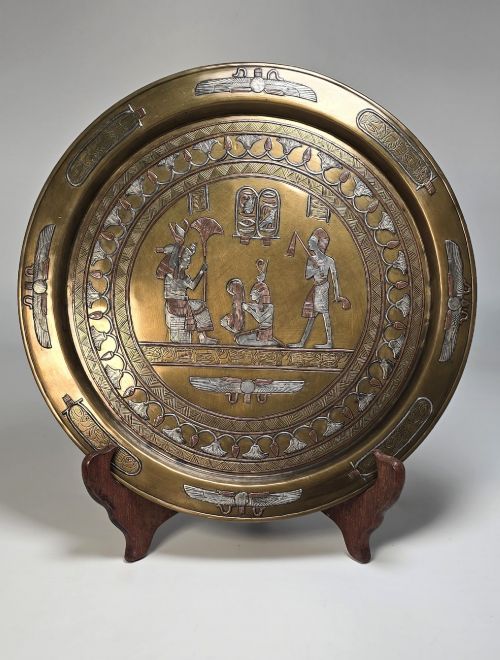
The objects span centuries of production, appearing in styles such as Japanese Meiji and Edo periods, Islamic metalwork, Egyptian Revival, and Mamluk Revival. The most frequently met examples on this page date from the nineteenth century, including Cairo ware chargers and Japanese bronze vases.
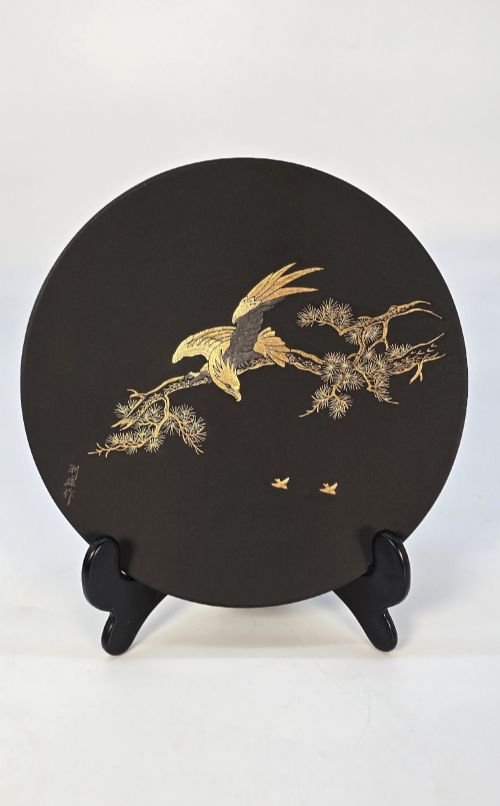
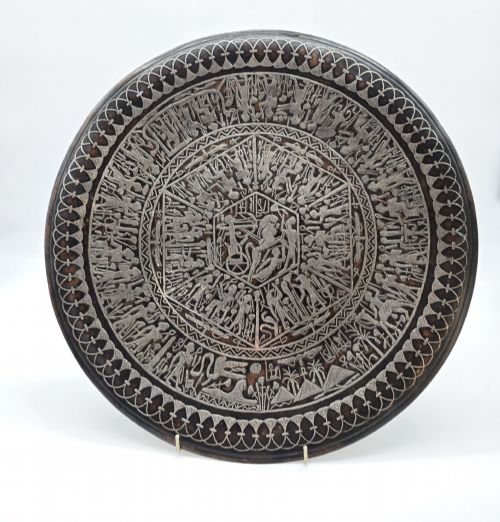
Form varies widely, ranging from large occasional tables and wash bowls to small decorative boxes, wall plaques, and brush pots. Each piece relies on the striking contrast between a dark metallic base and the bright sheen of inlaid silver or gold.
Materials and construction
The foundational bodies of these pieces are cast or hammered from metals such as bronze, copper, brass, iron, and occasionally wood or leather. Artisans shape these base materials into utilitarian and decorative forms before applying surface ornamentation.
The contrasting designs are formed by hammering silver and gold wires or thin sheets into precisely chased channels or recesses cut into the base metal. Patination is frequently applied to the surrounding metal to darken the background and make the precious inlay stand out sharply.
Mixed metal techniques often combine silver with gold, copper, and brass inlay on a single surface, as seen in Japanese and Middle Eastern decorative items. The precision of this metalwork requires steady hand-chiselling to lock the softer inlay securely into the harder ground metal.
Silver Inlaid Metal Retail Price Guide 2026
Typical asking prices for silver inlaid metal among the pieces listed under this phrase on Sellingantiques today, from the lower quarter to the upper quarter. They describe what is for sale here now, not the wider market.
Materials recorded on this page include silver, gold, bronze, copper, brass, iron, wood, and leather.
Assessing quality and execution
The standard of quality rests upon the crispness of the chasing and the tightness of the silver fit within the channel. Superior examples demonstrate smooth, flush surfaces where the inlay sits securely without gaps or loose edges.
Depth of detail and complexity of the design separate ordinary production from masterwork execution. Pieces that integrate multiple metals, such as gold and copper alongside silver, demand advanced metallurgical skill and artistic planning.
The integrity of the original patination and the preservation of the inlay influence the visual strength of the object. Heavy, solid construction in the base metal combined with finely balanced composition distinguishes the finest pieces.
KANASAWA·John Campbell of Doune
The Silver Inlaid Metal Glossary
- Cairo ware
- Nineteenth-century Egyptian metalwork produced for export and the Grand Tour trade, typically featuring brass or bronze inlaid with silver and copper calligraphy or geometric patterns.
- Patination
- The natural or chemical process that alters the surface colour of metals over time, creating dark tones that highlight inlaid silver designs.
- Kursi
- An orientalist occasional table or Quran stand, frequently constructed in brass or wood with extensive silver inlay.
- Chasing
- The technique of hammering metal from the front to sink lines and create recesses for wire inlay.
Silver Inlaid Metal: Frequently Asked Questions
What is Cairo ware?
Cairo ware describes nineteenth-century Middle Eastern metalwork created largely for European travellers during the Grand Tour.
These pieces typically utilise brass or bronze bases decorated with intricate silver and copper inlay in traditional Islamic patterns.
How do I care for inlaid metal?
Maintenance requires gentle dusting with a soft dry cloth to protect both the patinated base metal and the delicate silver inlay.
Harsh chemical polishes must be avoided because they strip away the dark patination that provides contrast for the design.
How are Japanese and Islamic pieces different?
Japanese examples from the Meiji and Edo periods frequently employ patinated iron or bronze with precise pictorial motifs of flora and fauna using gold and silver.
Islamic and Egyptian revival pieces often feature bold geometric strapwork, Arabic calligraphy, and heavy brass or copper bodies.