
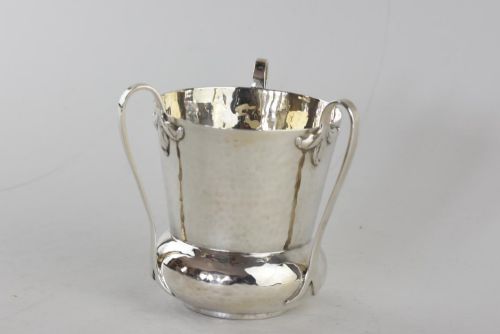
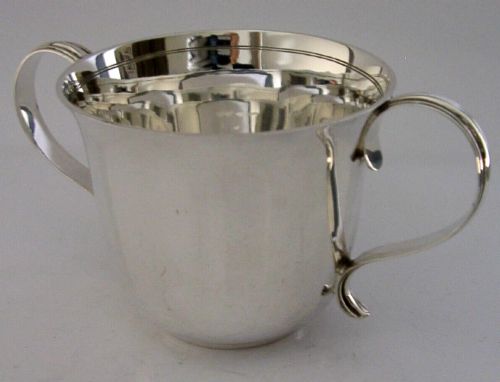
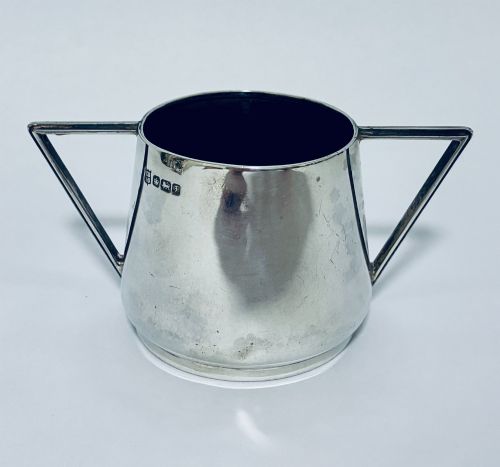

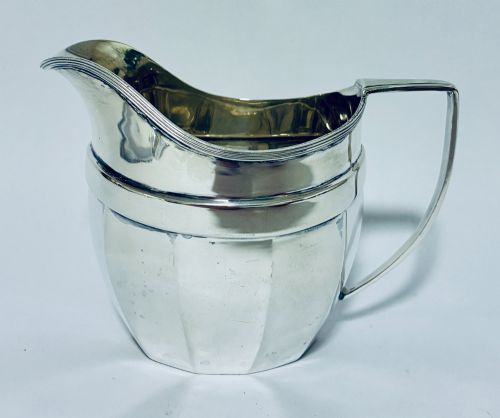


Silver Hollowware Vessel
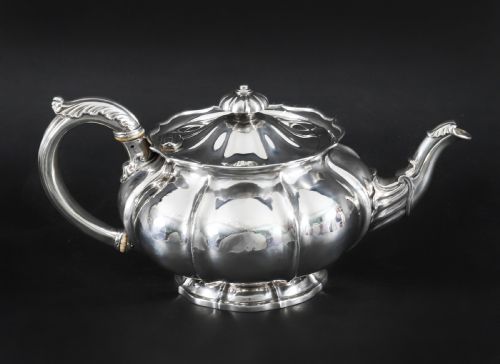
When you handle a silver hollowware vessel, you hold centuries of domestic metalwork spanning tea pots, tankards, and mustard pots in sterling silver and old Sheffield plate.
Silver Hollowware Vessel
A silver hollowware vessel encompasses a wide range of functional domestic tableware designed to hold liquids or food, from early Georgian teapots and chocolate pots to Victorian mustard pots and wine coolers. Buyers seeking a silver hollowware vessel will find utilitarian serving pieces alongside decorative display items.
The objects appearing on this page stretch from the eighteenth century into the twentieth century, covering periods such as Georgian, Victorian, Edwardian, and Art Deco. Teapots, tankards, and bowls dominate the forms, reflecting centuries of dining and social rituals.
Origins span English, Scottish, and continental workshops, utilising both sterling silver and silver plate. The selection ranges from plain domestic mugs to pierced mustard pots and elaborate chafing dishes.
Materials and construction
Makers utilised sterling silver, Britannia standard silver, and old Sheffield plate, occasionally combining metal with wood, bone, and glass for handles and insulators. Construction methods involved hammering, casting, and soldering sheet metal to form hollow bodies.
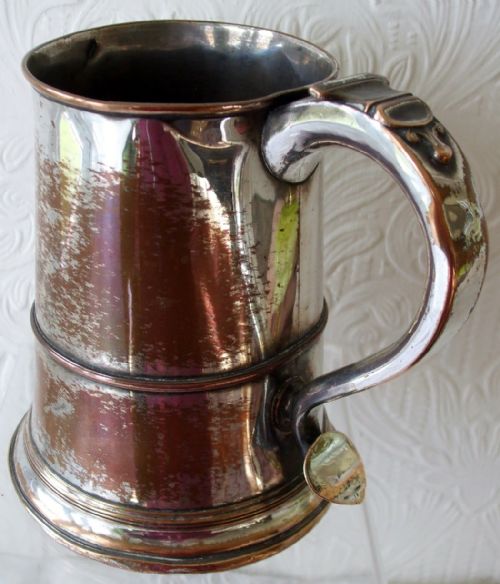
Plated pieces relied on fusing silver to copper substrates, a technique characteristic of old Sheffield plate. Later nineteenth-century items frequently employed silver plating over base metal alloys.
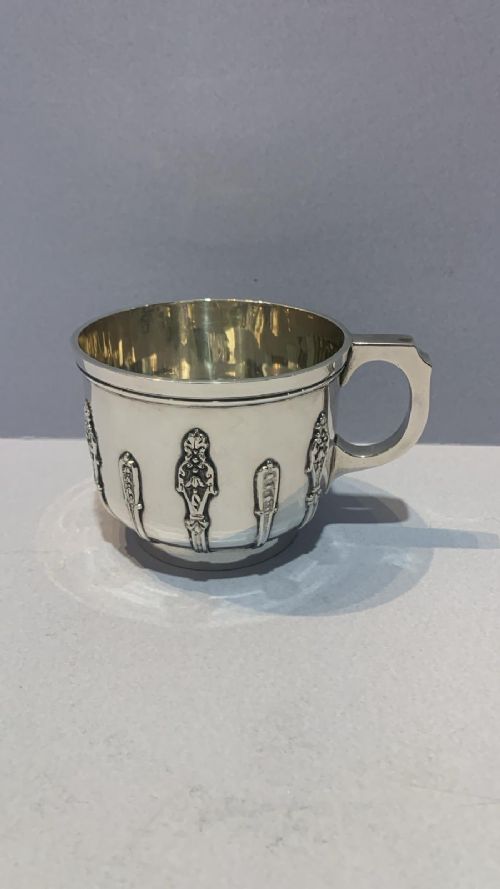
Surface decoration included piercing, chasing, and engraved crests, applied by hand to cast or raised vessels.
Listings feature sterling silver, silver plate, copper, bone, glass, and wood across eighteenth, nineteenth, and twentieth-century periods.
Assessing quality and execution
Quality rests upon the crispness of chased ornament, the weight of the metal, and the balance of handles and spouts. Superior vessels exhibit clean solder joints and balanced proportions.
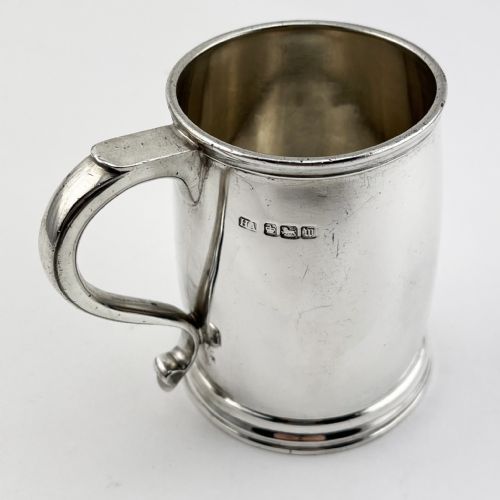
Maker marks and hallmarks contribute significantly to desirability, with pieces attributed to notable silversmiths demonstrating finer detailing in cast mounts and handles.
Paul Storr·Padley Parkin And Staniforth·Thomas Bradbury·Robert Hennell I·Charles Stuart Harris·Gioielleria Agliardi Cassino
The Silver Hollowware Vessel Glossary
- Hollowware
- Tableware items such as bowls, pots, and jugs that have capacity for contents, as opposed to flatware.
- Old Sheffield Plate
- A composite material made by fusing a thin layer of silver to a thicker copper base, common in eighteenth and nineteenth-century vessels.
- Britannia Standard
- A higher purity standard of silver introduced in England, containing ninety-five point eight percent pure silver.
- Porringer
- A small, two-handled bowl used for porage or liquids, appearing in early silver forms.
- Argyll
- A vessel designed to keep gravy warm at the table, often featuring an internal hot water chamber or core.
Silver Hollowware Vessel: Frequently Asked Questions
What is a silver hollowware vessel used for?
These vessels served practical dining and beverage functions in historic households, containing tea, coffee, wine, mustard, and gravies.
Today, collectors use them as decorative table accents or functional serving pieces for modern dining.
How do I identify a Georgian silver vessel?
Georgian pieces display the characteristic styles and hallmarks of the reigns of Georges I through IV, spanning the eighteenth and early nineteenth centuries.
Look for hallmarks indicating town offices, maker initials, and date letters corresponding to this era.
What is the difference between sterling silver and silver plate?
Sterling silver denotes solid precious metal meeting specific legal purity standards, usually indicated by a lion passant mark in British pieces.
Silver plate consists of a thin layer of silver bonded to a base metal substrate, such as copper or Britannia metal.
How should I clean antique silver vessels?
Maintenance requires gentle cleaning with appropriate silver polishes that do not strip away thin plating or soften chased details.
Avoid abrasive cloths and harsh chemical dips to preserve the historic surface and patinas.