



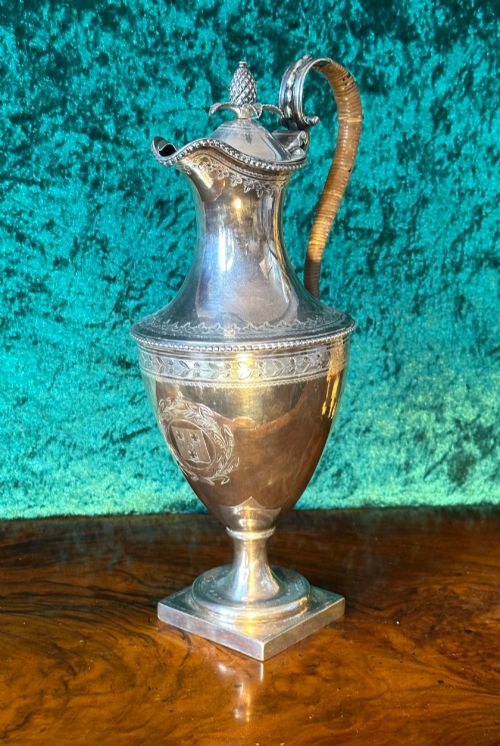

Silver Handled Server
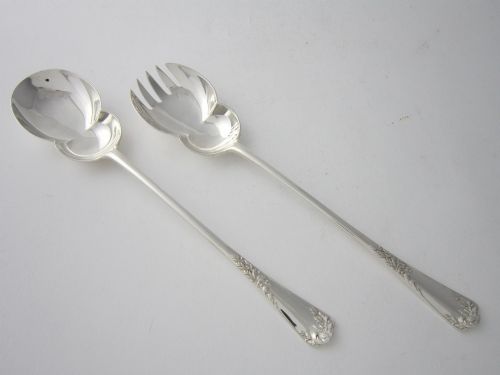
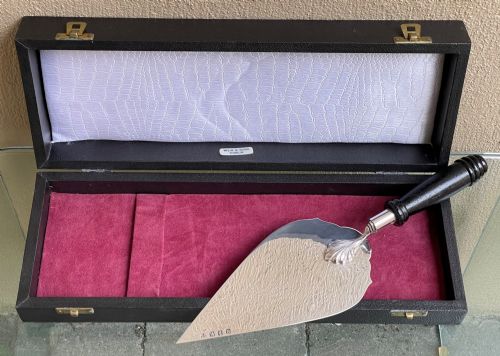
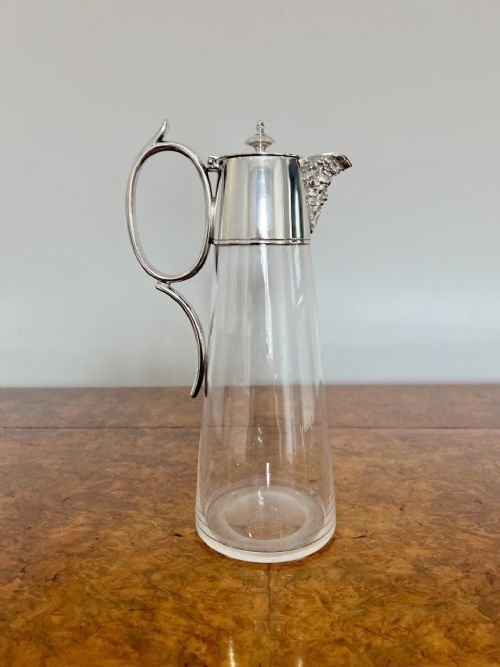
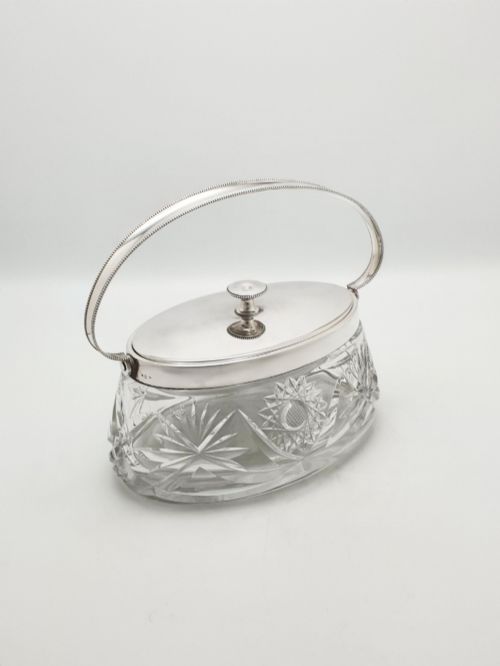
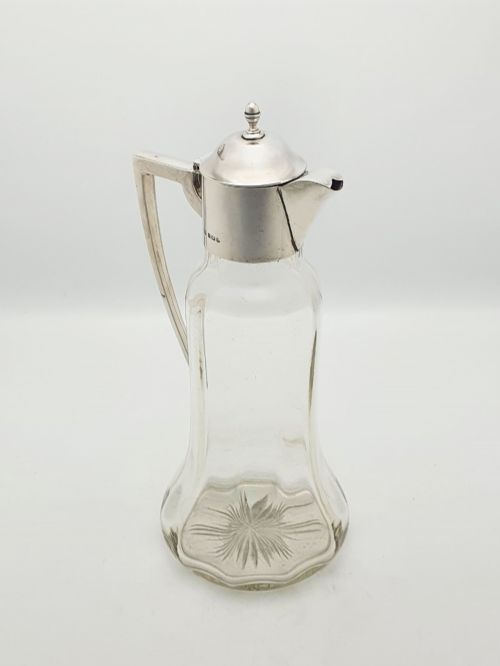
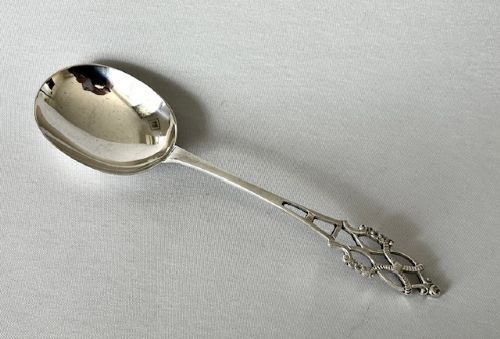
These silver handled server pieces bring period charm to the table, offering functional elegance for serving fish, salads and specialty dishes.
Silver Handled Server
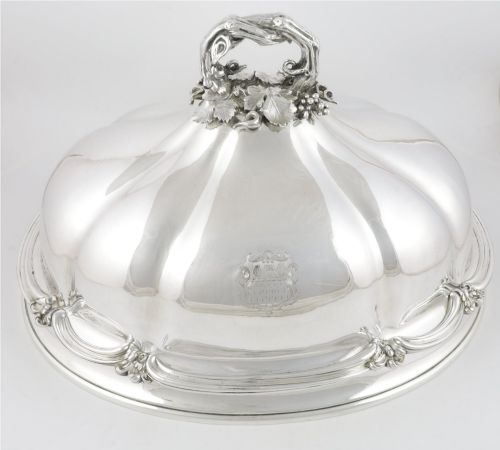
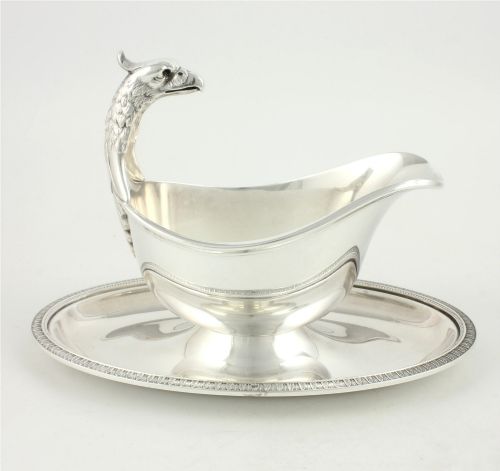
A silver handled server sits among table utensils and serving pieces designed for formal dining and entertaining. Buyers seeking a silver handled server will encounter various forms spanning the eighteenth century through to the mid-twentieth century, with Victorian and Edwardian examples appearing frequently.
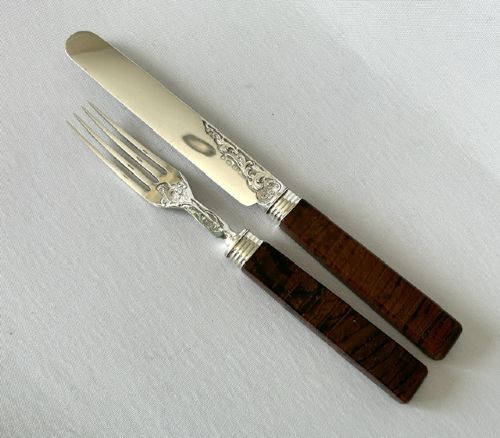
The selection encompasses specialist implements including fish servers, salad servers, serving knives, and fruit knives. Many items combine metal blades or bowls with contrasting handles made from materials such as antler, horn, wood, or mother of pearl.
Origins range across British, French, and Scandinavian workshops, reflecting stylistic shifts from Georgian restraint to Art Nouveau fluidity and mid-century modern design. These utensils served specific culinary roles at the dining table, from carving fish to dishing out greens.
How they were made
Makers utilised sterling silver and silver plate for the working ends of these utensils, often pairing them with durable organic grips. Antler, horn, ebony, and mother of pearl were shaped and fitted securely to metal tangs using pins or ferrules.
Techniques varied from cast silver blades with engraved detailing to Old Sheffield plate and electroplated wares over base metals. Piercing and chasing transformed flat metal into ornate fish slices and salad forks, while glass components featured cut or moulded patterns.
Silver Handled Server Retail Price Guide 2026
Typical asking prices for silver handled server among the pieces listed under this phrase on Sellingantiques today, from the lower quarter to the upper quarter. They describe what is for sale here now, not the wider market.
Listings feature items spanning the Georgian period through to mid-century modern design, incorporating sterling silver, silver plate, glass, wood, and velvet.
What varies in quality
Quality rests in the crispness of the engraved decoration and the structural integrity of the joint where the handle meets the metal shaft. Superior examples maintain a balanced weight in the hand, with securely seated handles free of looseness or gaps.
The refinement of pierced work on fish slices and the depth of chased details distinguish finer workshop production from standard utility items. Maker marks and clear hallmarks also elevate the standing of a piece.
Roberts Cadman·Christofle Gallia·Georg Jensen·WMF·Matthew Boulton·John McDonald·Harrison Brothers and Howson·Roberts and Belk·Daniel and Arter·William Hutton and Sons
The Silver Handled Server Glossary
- Old Sheffield plate
- A composite material formed by fusing a thin sheet of silver onto a copper core, common in eighteenth and nineteenth-century wares. This technique produced durable vessels and serving pieces before modern electroplating took over.
- Hallmark
- An official stamp applied to precious metals indicating the standard of purity, the assay office, and the date letter. These marks help historians trace the origin and exact period of British silver.
- Sterling silver
- An alloy consisting of ninety-two point five percent silver and seven point five percent other metals, usually copper. It provides the standard composition for high-quality domestic silver items.
- Tang
- The extension of a blade or utensil bowl that inserts into the handle. A sturdy internal tang ensures the handle remains firmly attached during use.
- Ferrule
- A metal ring or cap fitted around the joint where a handle meets the blade or shaft. It strengthens the construction and conceals the transition between different materials.
Silver Handled Server: Frequently Asked Questions
What are silver handled servers used for?
These utensils were created for specific serving duties at the dining table, such as transferring fish portions, tossing and serving salads, or cutting fruit. Their design matched the formal dining customs of the Georgian, Victorian, and Edwardian eras.
Different shapes catered to specific foods, ensuring guests could be served cleanly and with appropriate etiquette during large meals.
How can I tell the period of a server?
Dating relies on examining the style of decoration, the manufacturing techniques, and any accompanying hallmarks or maker marks. Georgian pieces often display restrained classical lines, while Victorian and Edwardian examples embrace more elaborate engraving and mixed materials.
Matching the form against documented workshop styles helps narrow down the decade of production.
Why are some servers made with antler or horn handles?
Natural materials like stag antler and horn provided a secure, tactile grip that contrasted pleasingly with polished silver blades. These materials brought texture and a rustic yet refined aesthetic to dining tables during the nineteenth and early twentieth centuries.
Using animal products for cutlery handles was a practical choice that also aligned with prevailing tastes for naturalism.