






Silver Handled Pitcher
A silver handled pitcher brings functional elegance to the table, uniting practical utility with refined metalwork across various historical periods.
Silver Handled Pitcher
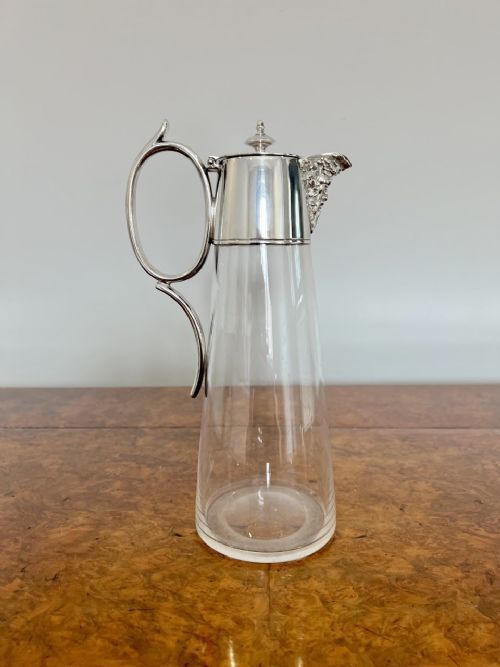
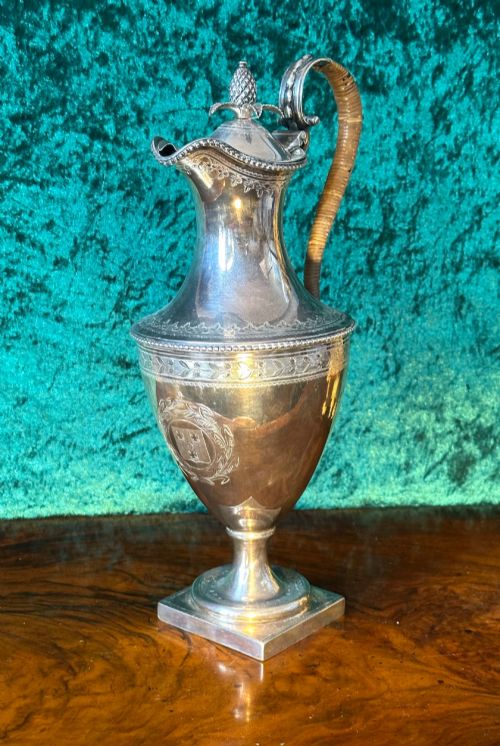
A silver handled pitcher encompasses a diverse group of serveware vessels designed for liquids, appearing frequently as glass claret jugs, ceramic ewers, and solid metal vessels.
The pieces on this page span several eras from the Georgian period through the Victorian and Edwardian decades into Art Nouveau, Art Deco, and 1930s designs.
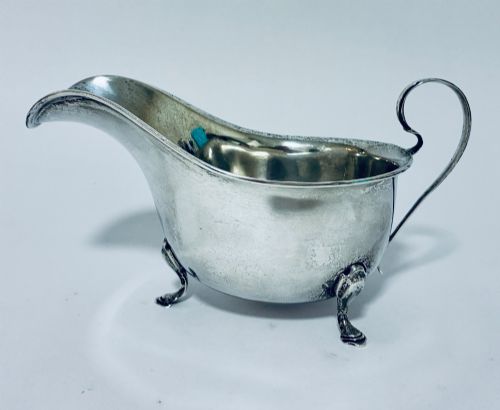
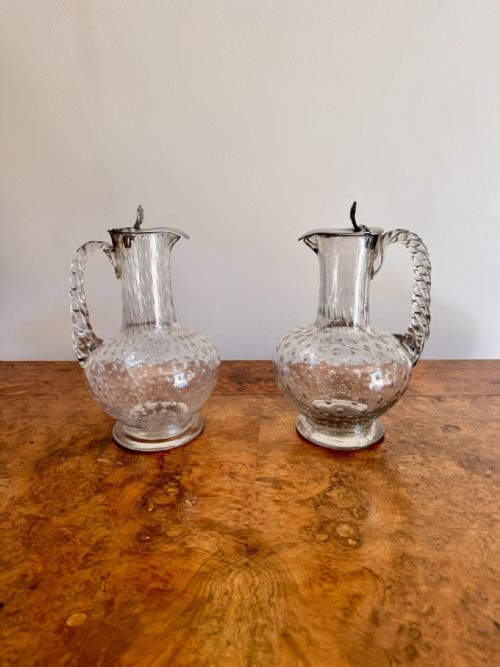
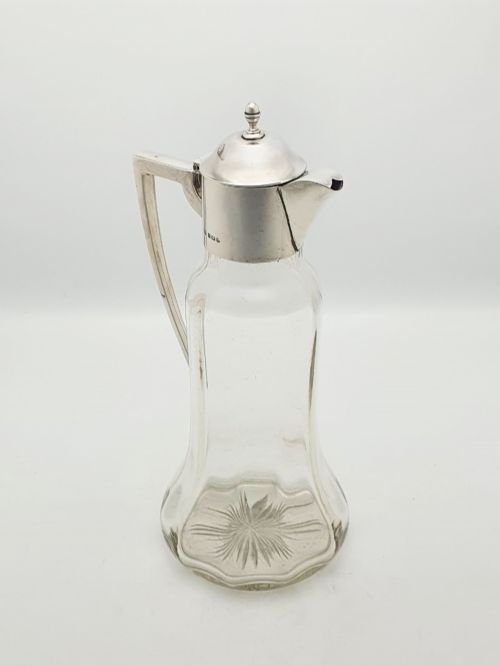
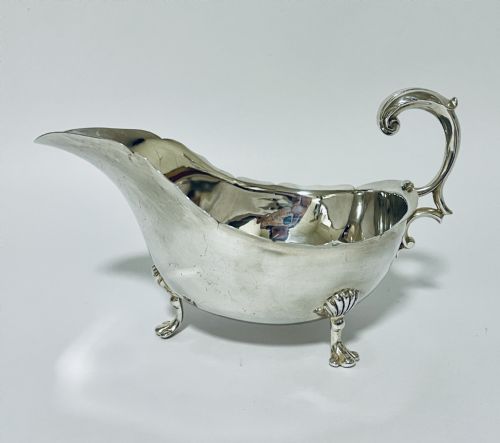
Forms range from tall glass wine jugs with silver mounts to compact cream jugs, sauce boats, and specialised cocktail shakers.
How silver handled pitchers were made
Manufacture relies on combining glass, crystal, or ceramic bodies with mounted metal elements, utilising sterling silver, silver plate, pewter, and glass.
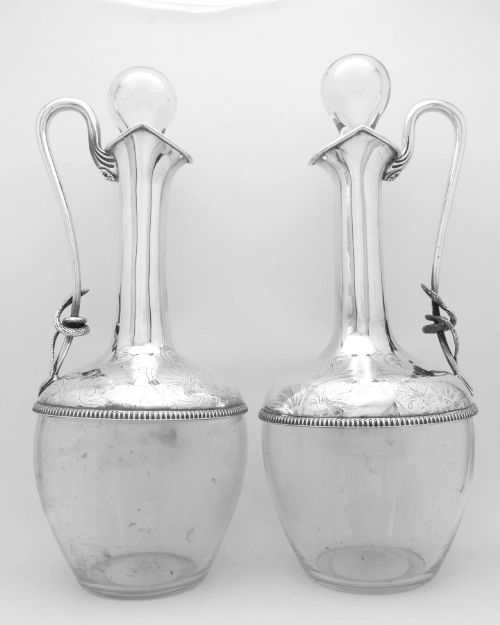
Craftsmen shaped handles and mounts through casting and smithing, integrating naturalistic motifs such as serpents and bamboo or geometric lines depending on the prevailing style.
Silver Handled Pitcher Retail Price Guide 2026
Typical asking prices for silver handled pitcher among the pieces listed under this phrase on Sellingantiques today, from the lower quarter to the upper quarter. They describe what is for sale here now, not the wider market.
A watering can made of sterling silver proves that even indoor gardening tools occasionally received the full Edwardian silver treatment.
What varies in quality
Quality rests upon the weight and purity of the metal mounts, the clarity and cut of the glass or crystal bodies, and the precision of the handle attachment.
Design distinction elevates certain examples, particularly those bearing identifiable stylistic movements or attributed to notable workshops and makers.
Archibald Knox for Liberty and Co·James Dixon and Sons·Luen Hing·Hukin and Heath·Dr Christopher Dresser·WMF·John Scofield
The Silver Handled Pitcher Glossary
- Claret jug
- A specialised pitcher designed specifically for serving red wine at the dining table. These vessels typically combine a glass or crystal body with a silver or silver-plated handle, mount, and hinged lid.
- Ewer
- A large pitcher with a flared spout and a decorative handle, traditionally used for holding water or wine. Many historical examples serve as ornamental table centerpieces.
- Silver plate
- A manufacturing technique where a thin layer of silver is bonded to a base metal such as copper or pewter. This process allowed makers to produce elaborate vessels at a lower cost than solid silver.
- Mount
- The decorative metal framework fitted around the neck, base, or handle of a glass vessel. Mounts secure the handle and provide a functional pouring spout and lid.
Silver Handled Pitcher: Frequently Asked Questions
What is a claret jug?
A claret jug is a vessel specifically created to hold and pour red wine during formal dining occasions. They typically feature glass bodies paired with metal handles and hinged lids.
These pieces emerged strongly in Victorian dining culture and continued through the Edwardian era with varied decorative motifs.
How do I clean a silver mounted pitcher?
Cleaning requires washing the glass or ceramic body with warm soapy water while protecting the metal components from harsh abrasives. Silver polish should be applied gently to the metal mounts to preserve the finish.
Avoid submerging pieces with fitted wooden or organic handles in water for extended periods.
How can I tell the period of a pitcher?
Dating relies on stylistic indicators such as geometric Art Deco lines, organic Art Nouveau curves, or ornate Victorian floral chasing. Maker marks and silver hallmarks stamped on the metal mounts offer precise production dates.
The combination of materials, such as cut crystal paired with silver plate, also points toward specific manufacturing decades.
Were these pitchers used daily?
Many examples served practical functions at the dining table for water, cream, wine, or sauce during formal meals. Other pieces served as decorative display items or ritual vessels.
Sturdier pieces in silver plate and pewter handled regular household use, while delicate crystal required careful handling.