



Silver Handled Jar
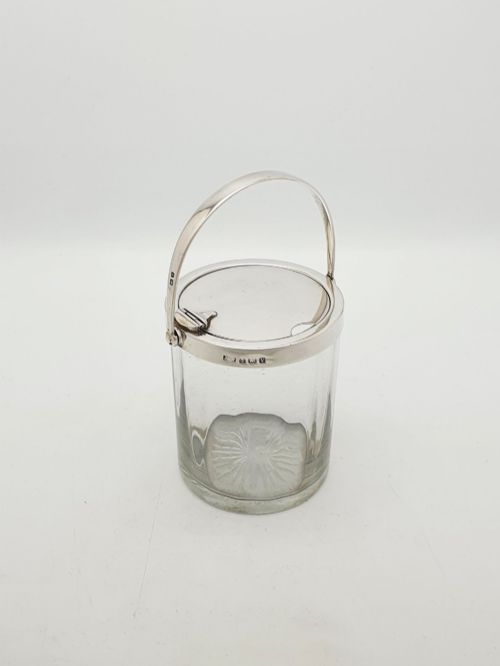
A silver handled jar brings practical elegance to the table, combining gleaming metalwork with glass or ceramic bodies for storage.
Silver Handled Jar
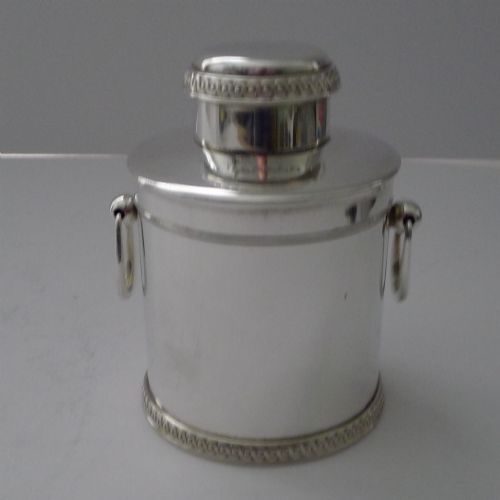
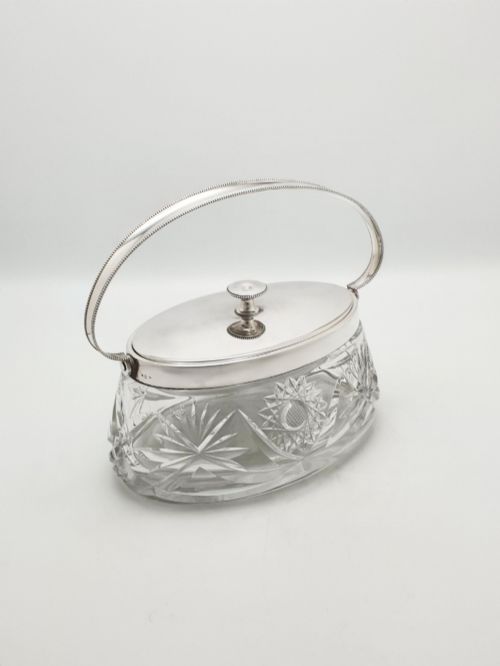
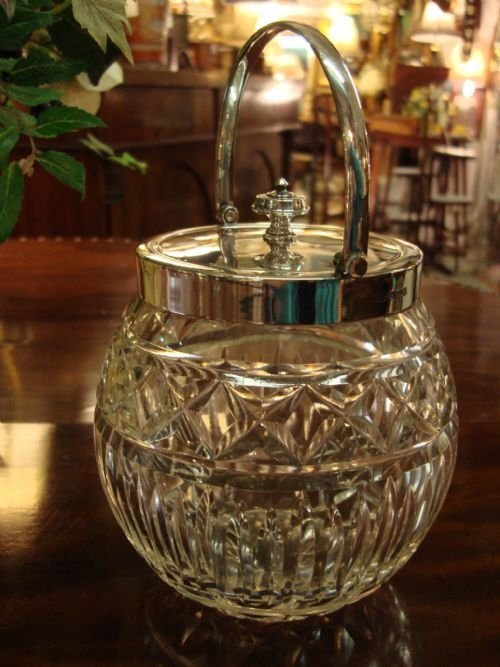
When you search for a silver handled jar, you encounter a selection of containers designed for biscuits, tea, jam, and vanity items. These pieces date from the Victorian and Edwardian eras through to the 1930s, reflecting the domestic habits of those periods.
The most common forms on this page include biscuit barrels, canisters, tea caddies, and jam dishes. They combine glass bodies, earthenware such as Carlton Ware, or metal forms with silver mounts, plating, or distinct handles.
Origins span British manufacturing centres, including Birmingham hallmarks, alongside continental examples like Jugendstil pieces by WMF. Buyers find both simple utilitarian containers and novelty items shaped like weights.
How they were made
The construction relies on combining metalwork with cut glass, cranberry glass, cut crystal, or earthenware bodies. Silver plate and sterling silver form the mounts, lids, and swinging or twisted handles that secure the contents.
Techniques range from repoussé surface decoration on solid silver to intricate glass cutting and Jugendstil metal fabrication. Makers such as James Dixon and Sons integrated these diverse materials into cohesive serving vessels.
Silver Handled Jar Retail Price Guide 2026
Typical asking prices for silver handled jar among the pieces listed under this phrase on Sellingantiques today, from the lower quarter to the upper quarter. They describe what is for sale here now, not the wider market.
One biscuit box takes the surprising form of a standard weight, hiding sweet treats inside a heavy metal disguise.
What varies in quality
Quality rests in the weight and thickness of the glass or ceramic body, alongside the depth of the metalwork and repoussé detailing. Solid sterling silver mounts command greater regard than silver plate, while crisp glass cutting elevates the visual impact.
The integrity of the construction and the balance of the handle against the body define the superior examples. Maker attribution, such as fully hallmarked pieces from established firms, separates standard utility items from finer showroom pieces.
James Dixon and Sons·Carlton Ware·WMF
The Silver Handled Jar Glossary
- Silver Plate
- A base metal coated with a thin layer of silver through electroplating or older processes. This technique provided the appearance of solid silver at a lower cost for Victorian and Edwardian households.
- Cranberry Glass
- A rich red-pink glass created by adding gold chloride to the molten mixture. It was highly popular for Victorian and Edwardian tableware and decorative jars.
- Repoussé
- A metalworking technique where the artisan hammers the design from the reverse side to create a raised pattern in relief. This method produced ornate floral and scroll decorations on tea caddies.
- Jugendstil
- The continental German-language art movement corresponding to Art Nouveau. It is characterised by flowing, organic lines visible in metalwork from this period.
- Hallmark
- An official stamp applied to precious metals indicating the standard of purity, the assay office, and the date letter. British silver pieces typically display these marks on the mounts or lids.
Silver Handled Jar: Frequently Asked Questions
What were silver handled jars used for?
These containers served primarily in the dining room or parlour for storing and presenting dry goods such as biscuits, loose tea leaves, and jams.
They also functioned on dressing tables as vanity boxes or jars for holding small personal items.
How do I care for silver plated mounts?
Clean the metal parts gently using a soft cloth and a dedicated silver polish to remove tarnish without wearing away the thin plating.
Avoid submerging pieces with wooden or glued components in water to protect the structural adhesives.
How can I tell Victorian pieces apart from Edwardian ones?
Victorian examples often feature heavier, more ornate repoussé work and dense decorative patterns reflecting historicist revivals.
Edwardian and later pieces frequently adopt lighter mounts, cleaner lines, or Jugendstil influences that foreshadow twentieth-century design.
Are the glass bodies removable?
Many biscuit barrels and jam dishes feature fitted glass liners that lift entirely out of the silver plated or metal frame for washing.
This design allowed servants or hosts to clean sticky contents easily without damaging the metal handle and frame assembly.