

Silver Handled Dish
A silver handled dish brings refined utility to the table, combining functional metalwork with decorative vessels spanning several centuries.
Silver Handled Dish
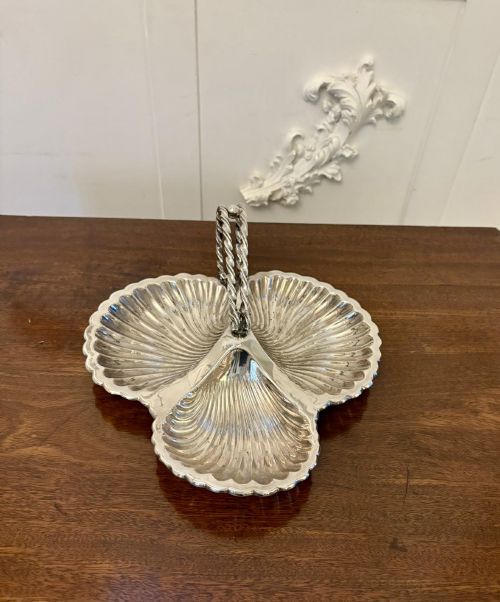
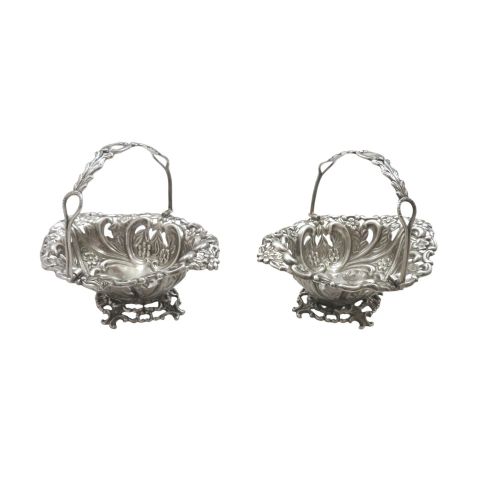
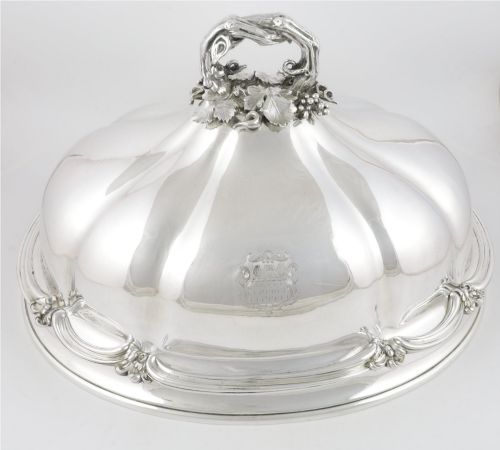
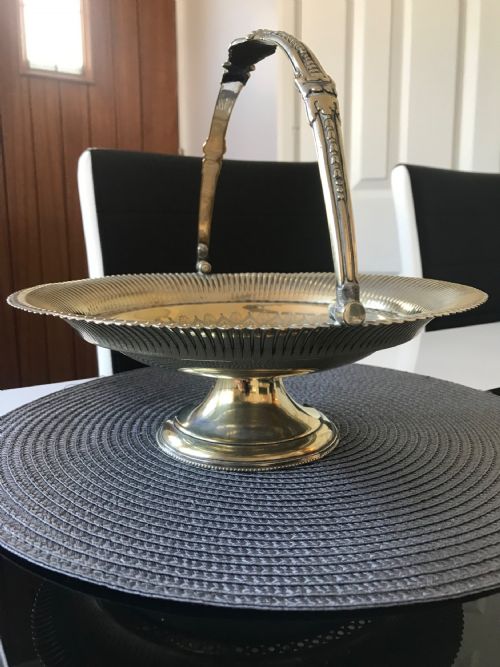
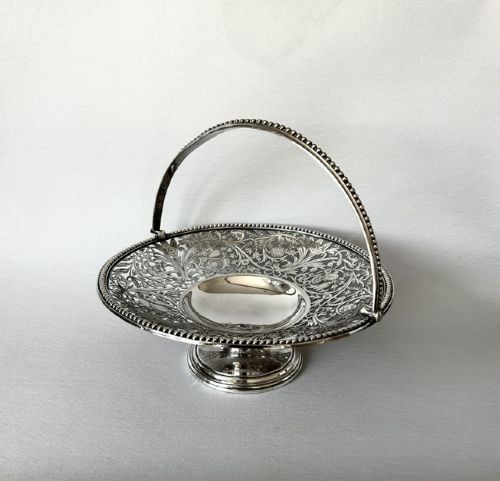
A silver handled dish encompasses a variety of serving vessels, fruit baskets, sugar baskets, and bowls created for formal dining and display. The selection here leans heavily towards Victorian, Edwardian, and Georgian pieces, reflecting the popularity of handled tablewares during those periods.
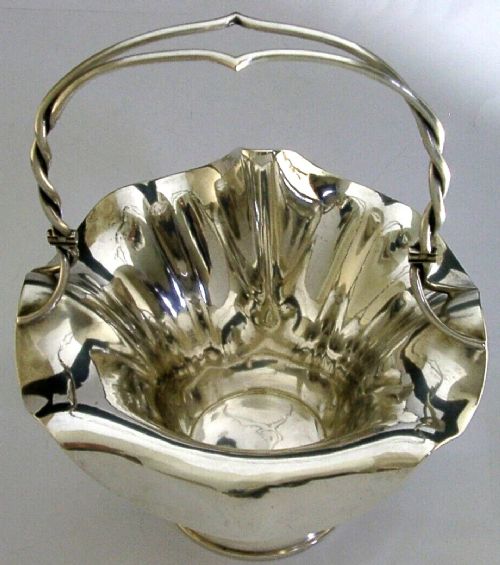
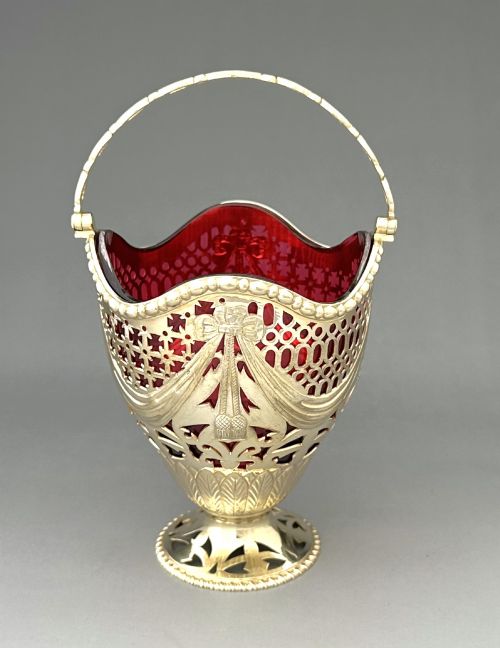
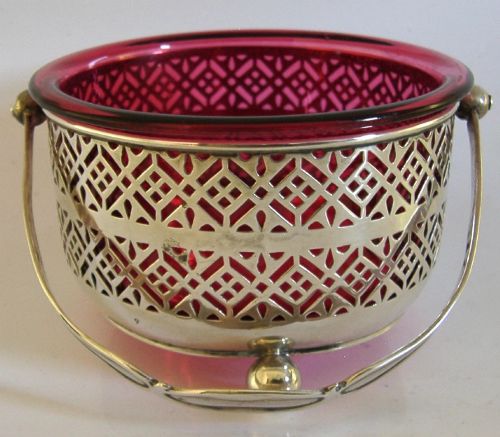
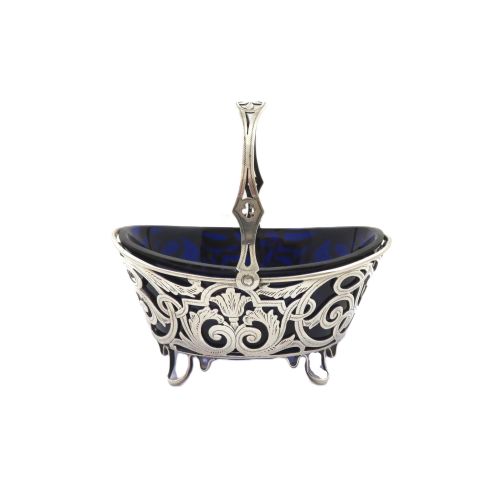
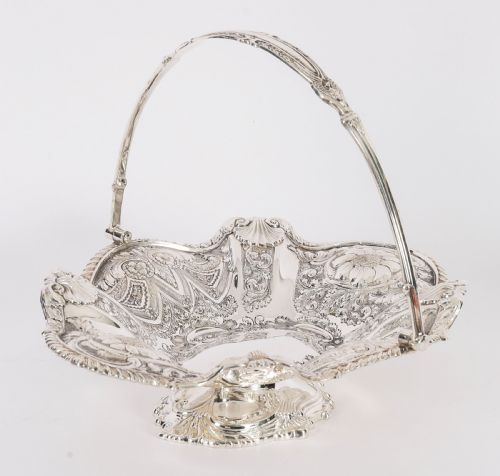
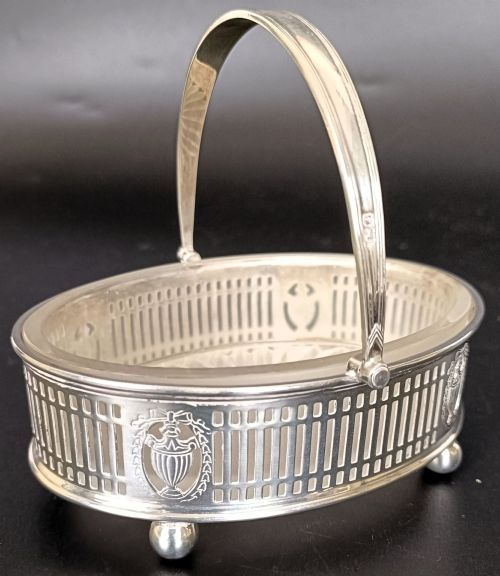
Buyers will encounter forms ranging from pierced fruit baskets and swing-handled sugar bowls to specialised dishes with glass liners. These items served practical purposes in domestic service while offering a display of craftsmanship on the dining table or sideboard.
How they were made
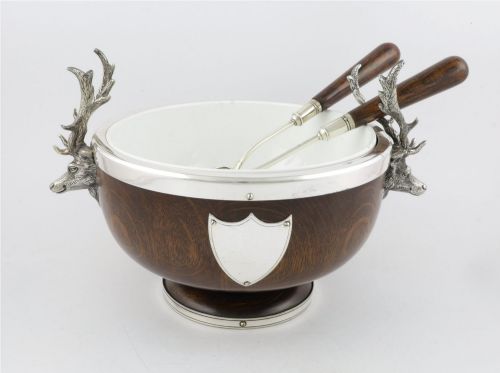
Makers utilised solid sterling silver, Old Sheffield plate, and electroplated nickel silver over base metals, often combining metal bodies with coloured glass liners such as cranberry or ruby glass. Structural elements involved casting, piercing, and hammering to shape the body and handles.
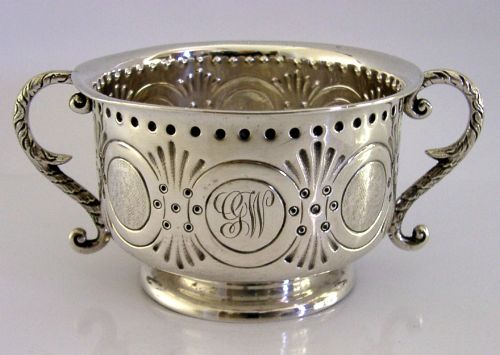
Surface decoration frequently relied on repoussé work, floral chasing, and engraved crests, while some modernist examples integrated ebonised wood handles with silver plate.
Silver Handled Dish Retail Price Guide 2026
Typical asking prices for silver handled dish among the pieces listed under this phrase on Sellingantiques today, from the lower quarter to the upper quarter. They describe what is for sale here now, not the wider market.
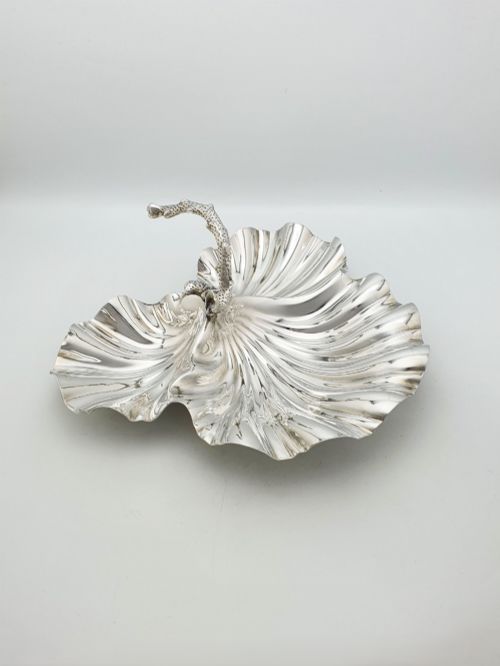
Several Victorian pieces feature handles cast to resemble natural coral branches, bringing a touch of marine life to the formal dining table.
What varies in quality
Quality rests in the weight of the metal and the crispness of the chased or pierced decoration, distinguishing heavy solid silver and thick Old Sheffield plate from lighter electroplate. The integration of the handle to the body, whether cast with floral details or hinged smoothly, marks the distinction between standard production and superior workshop output.
Mappin & Webb·Nathan & Hayes·Roberts Cadman·George W. Scott & Sons Ltd·Henry Chawner·Hukin & Heath·Elkington·Thomas Bradbury·John Hunt
The Silver Handled Dish Glossary
- Quaich
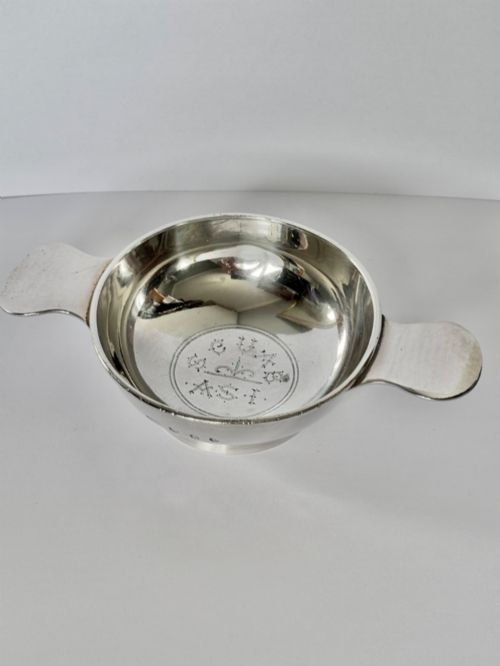
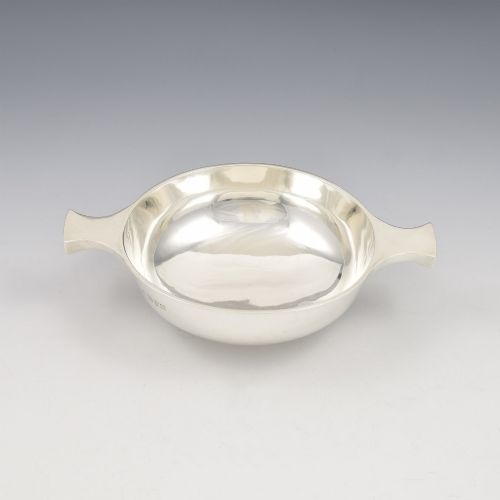
- A traditional two-handled drinking vessel or shallow bowl originating in Scotland. These pieces often feature simple or decorative lugs rather than traditional upright swing handles.
- Repoussé
- A metalworking technique where the metal is hammered from the reverse side to form a raised design in relief. This method was widely utilised on Edwardian and Victorian baskets.
- Old Sheffield plate
- An early fused plating method where a layer of silver is fused to a copper core. This technique creates a distinctive edge where the underlying copper becomes visible through wear.
- Pierced work
- The practice of cutting decorative openings through the metal wall of a basket or dish. This technique lightens the vessel and creates intricate geometric or floral patterns.
Silver Handled Dish: Frequently Asked Questions
What are silver handled dishes used for?
These vessels were traditionally employed for serving fruit, bread, sugar, or sweets during formal meals. They functioned both as practical tableware and as decorative centrepieces on dining tables.
In modern settings, they serve equally well for display or for holding small items on a sideboard or coffee table.
How do I care for silver plated dishes?
Cleaning requires a soft cloth and a gentle silver polish formulated to protect thin plating or solid metal surfaces. Avoid harsh abrasives that can wear away silver layers, particularly on Old Sheffield plate.
Store the pieces in a dry environment and handle them carefully by the body rather than straining the handle joints.
How do I distinguish Georgian from Victorian pieces?
Georgian items generally exhibit restrained Neoclassical lines or simpler forms with understated handles and hallmarks specific to the eighteenth and early nineteenth centuries. Victorian and Edwardian examples often embrace heavier ornamentation, floral repoussé, and swing handles.
Examining the hallmarks and the style of piercing provides a reliable guide to the period of manufacture.