



Silver Handle Jar
These silver handle jar pieces are domestic vessels that combine metalwork and glass or ceramic bodies, sought after for their decorative utility on the table.
Silver Handle Jar
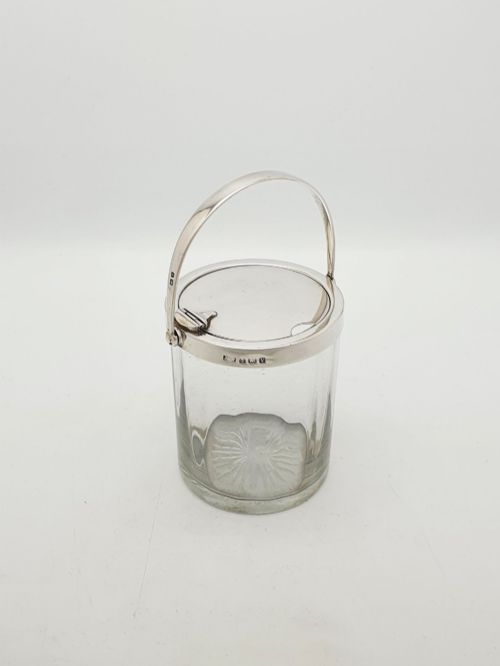
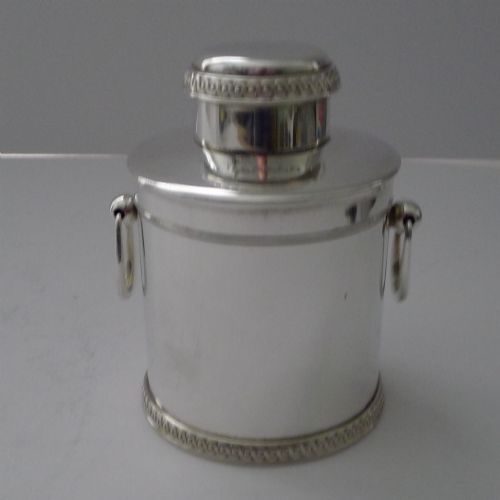
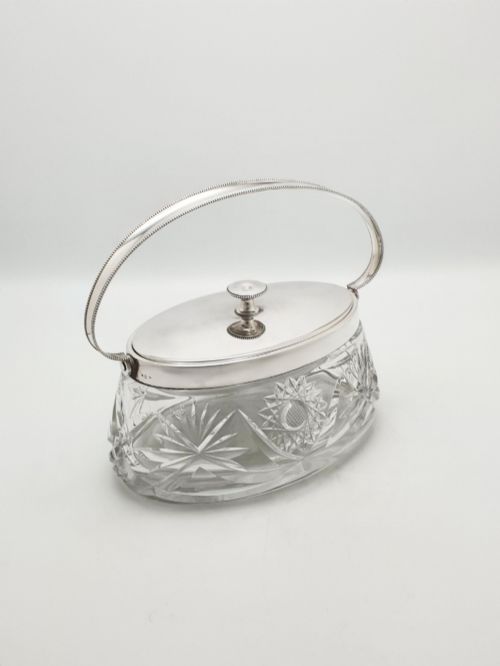
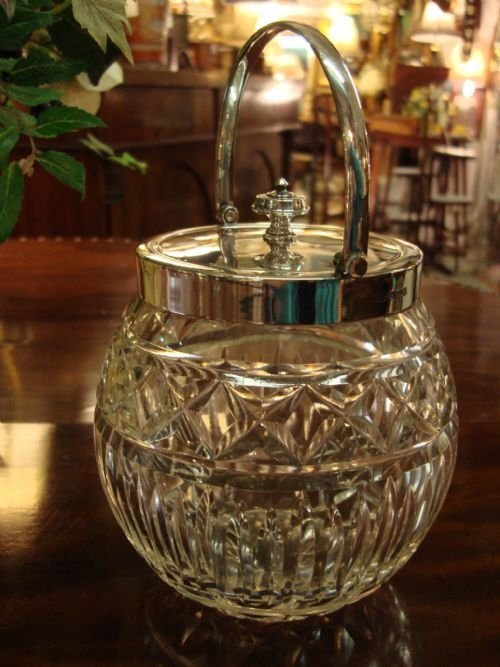
When you search for a silver handle jar, you encounter containers primarily formed as biscuit barrels, canisters, caddies, jam dishes, and vanity boxes. These domestic items span the Victorian, Edwardian, and George V periods, extending into the nineteen-thirties.
The versions you meet most frequently on this page pair cut glass, crystal, or cranberry glass with silver plate or sterling silver mounts and handles. Ceramic examples, such as earthenware, also appear in the selection.
Forms range from conventional cylindrical and twisted glass bodies to novelty shapes like a weight, alongside repousse tea caddies and campaign canisters.
Materials and construction
Makers shaped bodies from cut glass, cut crystal, and cranberry glass, or utilised earthenware and metal, combining these with silver plate and sterling silver mounts, rims, and handles.
Surface decoration relies on techniques such as repousse work in silver, alongside the deep cutting of glass and crystal vessels to catch the light.
Silver Handle Jar Retail Price Guide 2026
Typical asking prices for silver handle jar among the pieces listed under this phrase on Sellingantiques today, from the lower quarter to the upper quarter. They describe what is for sale here now, not the wider market.
Listings feature items spanning the Victorian, Edwardian, and George V periods, alongside pieces dated specifically to 1890, 1900, 1905, 1920, and 1930.
Assessing quality
The distinction between standard domestic items and finer examples rests on the crispness of the silver repousse work and the depth and precision of the cut glass or crystal. Pieces bearing hallmarks from established firms show superior metal weight and finishing.
Material choice also defines the tier, with heavy sterling silver mounts and genuine cranberry glass elevating a piece above standard silver plate and plain glass.
Carlton Ware·James Dixon and Sons
The Silver Handle Jar Glossary
- Biscuit barrel
- A covered container designed for storing biscuits on the dining table or sideboard. These vessels typically feature a fitted lid and a swinging handle.
- Repousse
- A metalworking technique where the artisan hammers the design from the reverse side to form a raised pattern on the surface. This method creates tactile relief on silver mounts and caddies.
- Cranberry glass
- A rich red-pink glass coloured by the addition of gold chloride during manufacture. It was widely utilised for decorative tableware during the Victorian and Edwardian eras.
- Sterling silver
- An alloy consisting of silver and other metals, standardly containing a high purity proportion. Hallmarks stamped into the metal verify this composition.
Silver Handle Jar: Frequently Asked Questions
What were these jars used for?
These vessels served practical domestic purposes in the dining room and parlour, functioning as containers for biscuits, tea leaves, jam, or vanity items. Their lids and handles kept contents protected while allowing easy transport.
Over time, their role shifted from everyday pantry storage to decorative display pieces on sideboards and tables during the late nineteenth and early twentieth centuries.
How do I date a silver handle jar?
Dating relies on examining hallmarks, style characteristics, and manufacturing techniques present on the metal and glass. Victorian and Edwardian examples often display distinct decorative motifs like floral repousse or Jugendstil lines.
Makers' marks stamped into the silver mounts provide definitive clues to the workshop and year of production when checked against assay office records.
How do I care for silver and glass?
Maintenance requires gentle cleaning of the silver components using appropriate polish to prevent tarnish buildup without harming any underlying plating. Glass and crystal bodies wash safely in warm soapy water.
Avoid abrasive cloths or harsh chemical cleaners that can scratch the delicate surface of cranberry glass or wear down thin silver plating on older mounts.
What is Jugendstil style?
Jugendstil represents the continental European movement parallel to Art Nouveau, characterised by flowing organic lines and stylised natural forms. Items from this design tradition appear alongside traditional British Victorian and Edwardian pieces.
This aesthetic influences the curvature of handles and the decorative engraving on metal mounts, setting them apart from rigid geometric designs.