
Silver Glass Bottle
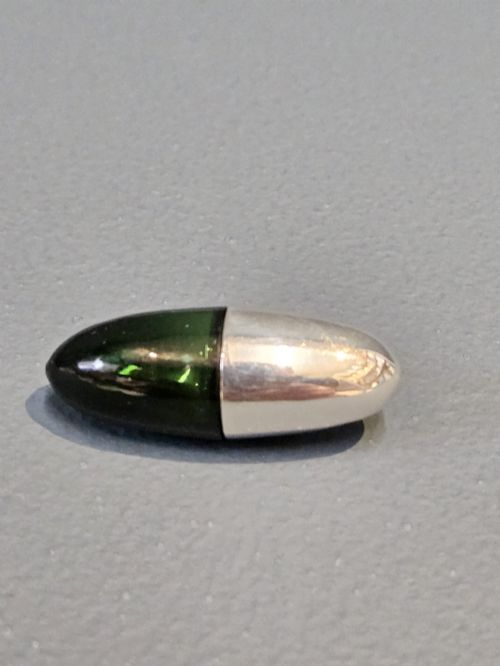
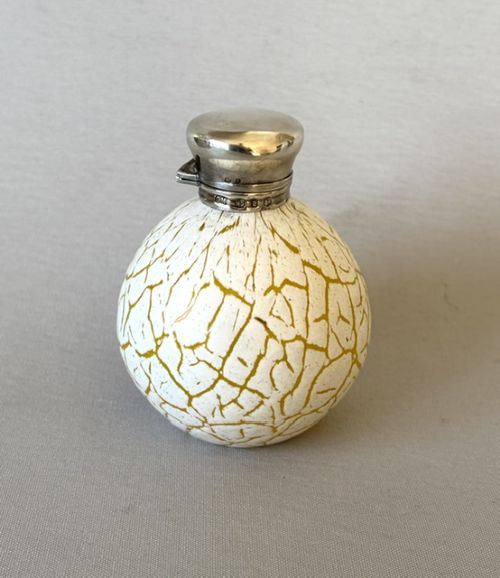
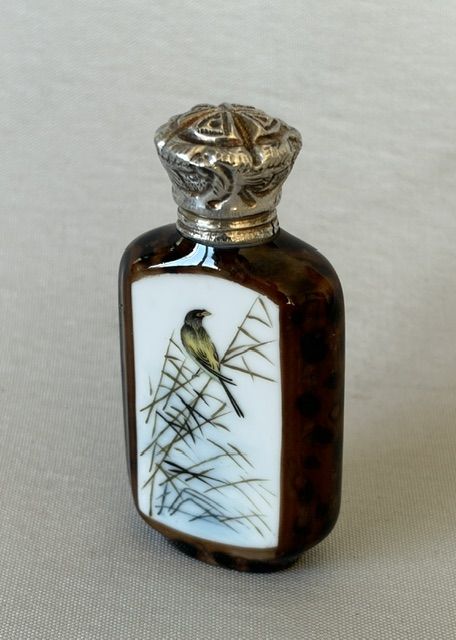
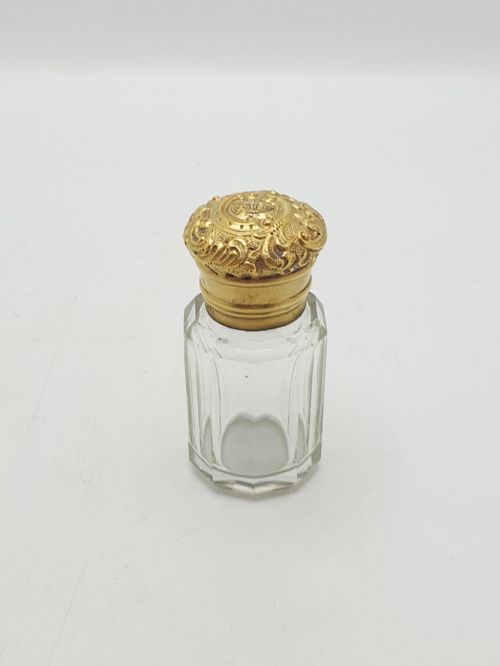
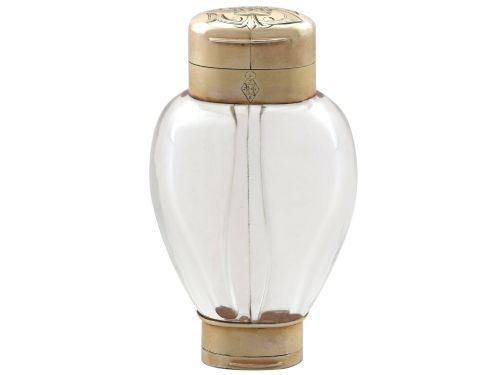
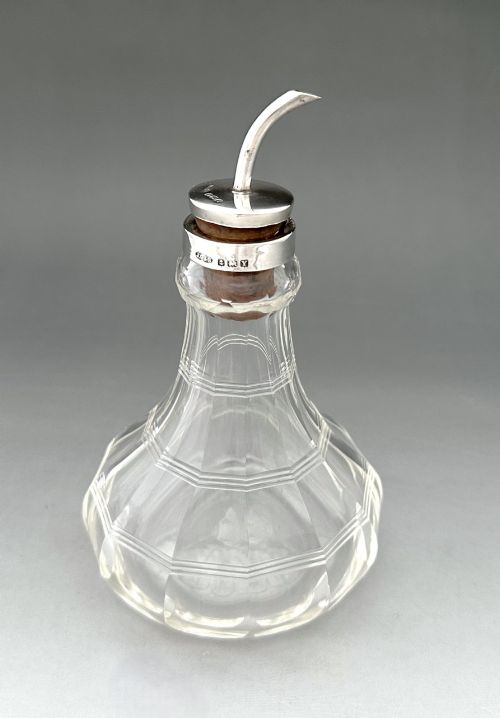
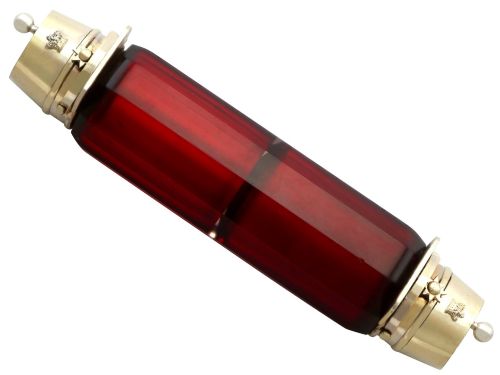
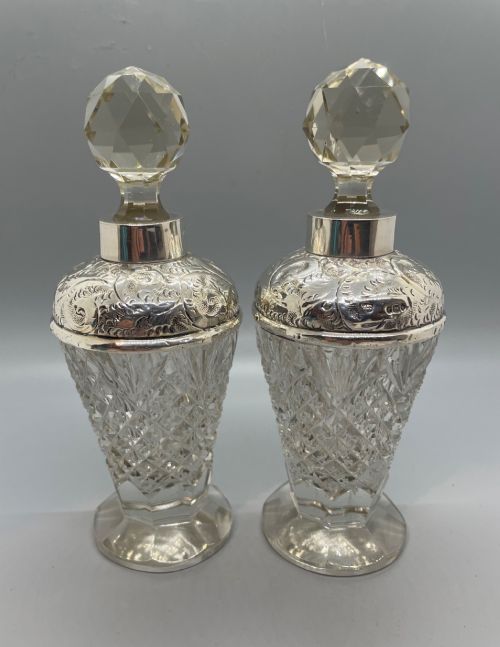
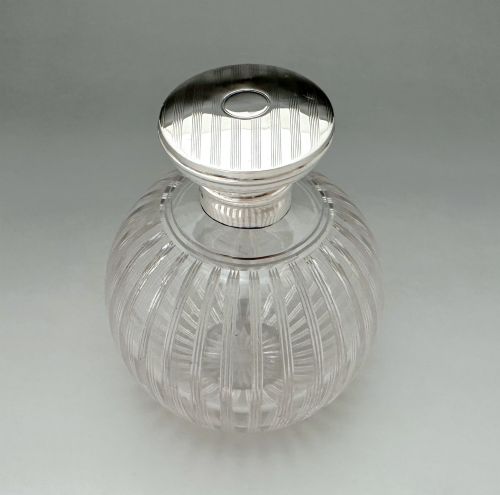
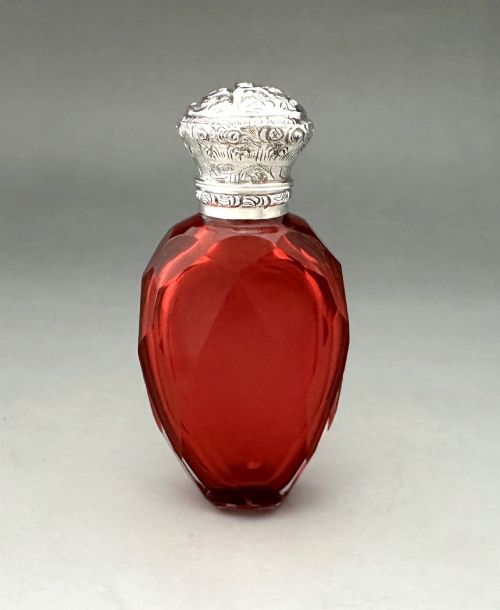
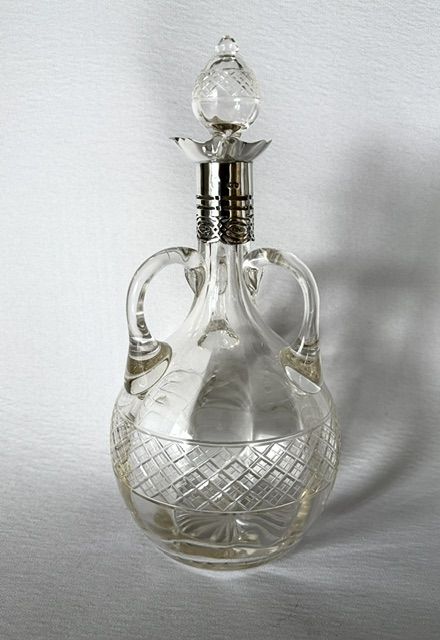
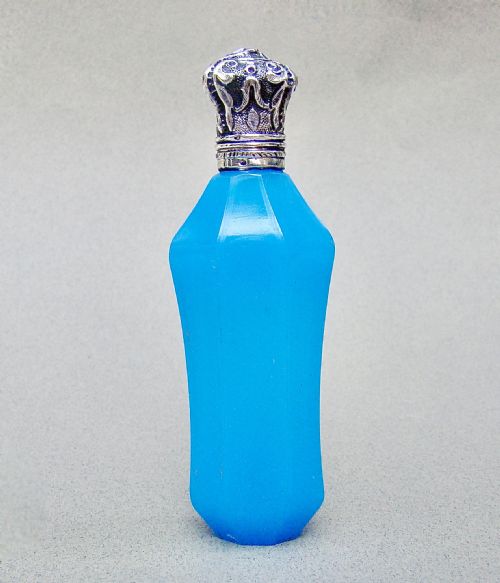
A silver glass bottle brings together polished metal and coloured or clear vessel glass, most frequently seen in Victorian and Edwardian scent bottles, decanters, and cruet sets.
Silver Glass Bottle
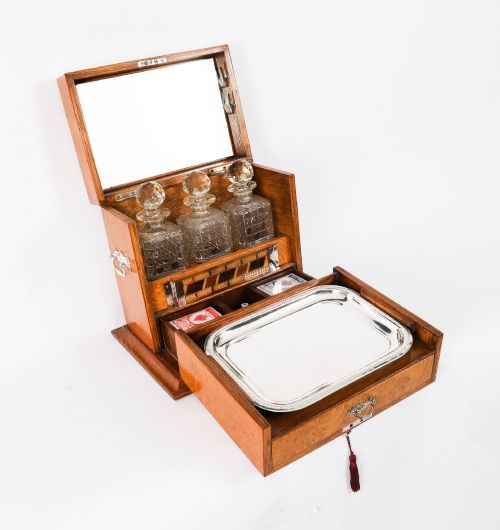
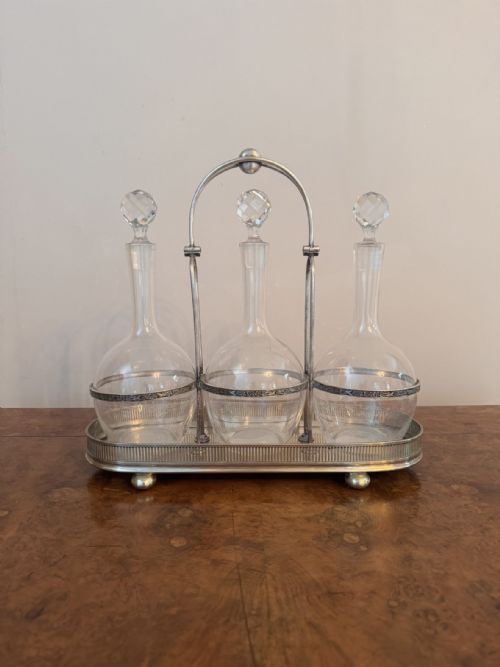
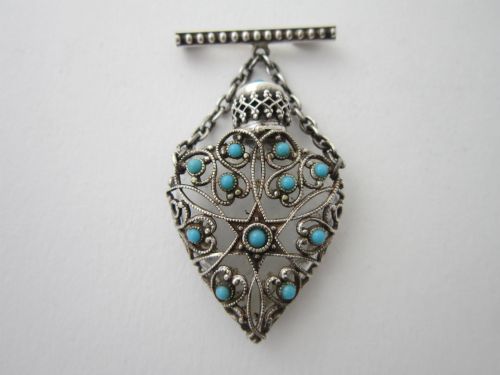
When searching for a silver glass bottle, buyers encounter an array of functional containers designed for the dressing table, dining room, and travel. Scent bottles, perfume flasks, and larger decanters dominate the selection, alongside inkstands and cruet sets.
The majority of these pieces originate from the Victorian and Edwardian periods, stretching from the late nineteenth century into the early decades of the twentieth. French and British examples appear regularly, showcasing utilitarian items transformed into decorative objects through precious metal mounts.
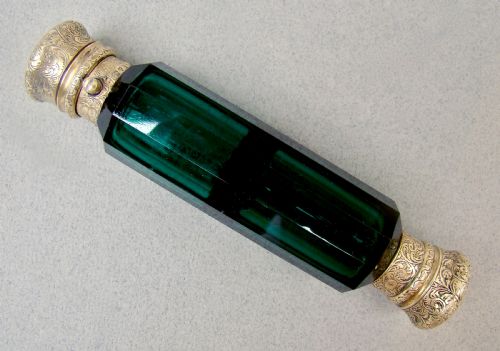
Vessels take many forms, from faceted cut glass carafes to pocket-sized cologne bottles encased in travelling trios. The combination of glass bodies with sterling silver collars, lids, or intricate overlays defines this category across all eras.
Materials and construction methods
Makers combined blown or cut glass with sterling silver, silver plate, and occasionally silver gilt. Coloured glass varieties such as cranberry, ruby, opaline, amethyst, and Bristol green provided vibrant backgrounds for pierced or solid metal mounts.
Silversmiths secured collars, hinged lids, and screw caps directly onto the glass necks, often incorporating internal glass stoppers to prevent evaporation. Sterling silver overlay, pierced work, and enamel decoration were applied directly to the exterior of the glass bodies.
Techniques such as sliced-cutting, facet-cutting, and flashing created textural contrast against smooth metallic surfaces. Cased and overlay glass required precise layering of different coloured glasses before final shaping and cutting.
Some Victorian travelling bottles arrived in fitted cases because even a duchess deserved leak-free cologne on the Brighton express.
Factors influencing quality
Quality depends upon the weight and clarity of the glass vessel, alongside the thickness and detail of the silver mounts. Heavier-gauge silver with clear hallmarks indicates superior manufacturing standards compared to thin or unmarked plating.
The complexity of the glasswork distinguishes finer pieces, particularly where skilled cutting, multi-layered colour overlays, or intricate hand-painting are present. Well-fitted stoppers and robust, original hinges on caps and lids further elevate a piece.
Renowned silversmiths and specialised glasshouses produced items with superior finish and precision engineering. The alignment between the silver collar and the glass rim remains a strong indicator of careful workshop assembly.
Gorham·Laugharne Glass·Walker and Hall·James Fenton·Charles Boyton·The Adie Brothers
The Silver Glass Bottle Glossary
- Sterling silver
- A silver alloy containing 92.5 percent pure silver and 7.5 percent other metals, usually copper. This standard alloy appears on the majority of British mounted bottles and carries official assay office hallmarks.
- Cut glass
- Glass decorated by grinding facets or patterns into the surface using rotating wheels. This technique adds weight and sparkle to decanters and scent bottles.
- Overlay glass
- Glass created by fusing a layer of coloured glass over a base layer of clear or contrasting glass. Portions of the outer layer are then cut away to reveal the contrasting colour underneath.
- Vinaigrette
- A small ornamental container fitted with an inner perforated grille, designed to hold a sponge soaked in aromatic vinegar. These portable items often feature silver mounts and coloured glass bodies.
- Cruet set
- A matched group of glass bottles or jars mounted in a metal stand, used for holding condiments at the dining table.
- Hallmark
- A series of official marks stamped onto precious metal items indicating the maker, assay office, standard of purity, and date of assay.
Silver Glass Bottle: Frequently Asked Questions
How do I date a silver glass bottle?
Dating relies primarily on the hallmarks stamped onto the silver mounts, which indicate the specific assay office and year of production. Stylistic markers such as cut glass patterns, colour palettes, and mount designs also help assign pieces to the Victorian or Edwardian eras.
Matching the silversmith's mark against historical records provides further precision. Unmarked silver mounts require assessment through the manufacturing style and the glass vessel's characteristics.
Were these bottles meant for travel?
Many smaller perfume and cologne bottles were specifically manufactured for travel, often supplied in fitted leather or velvet cases. Screw caps and secure glass stoppers prevented leaks during transit in luggage or chatelaines.
Larger decanters and cruet sets remained stationary on dining tables or in tantalus frames. Portable vanity flasks bridged the gap between dressing table display and personal carriage.
What is silver overlay?
Silver overlay involves electroplating or mechanically applying a continuous layer of silver directly onto the glass surface. Artisans then cut away portions of the metal to create intricate botanical, geometric, or Art Nouveau designs.
This technique required exceptional skill to bond the dissimilar materials securely. The resulting contrast between polished metal and coloured glass remains highly distinctive.
How should I clean my bottle?
Cleaning requires separating the metal care from the glass body to avoid damaging fragile interiors or historic stoppers. Gentle dish soap and warm water suit the glass, while specialised silver cloths maintain the metal without abrasion.
Moisture must be kept away from internal paper labels or glued elements. Ensuring complete dryness prevents residue buildup inside enclosed scent bottles and decanters.