

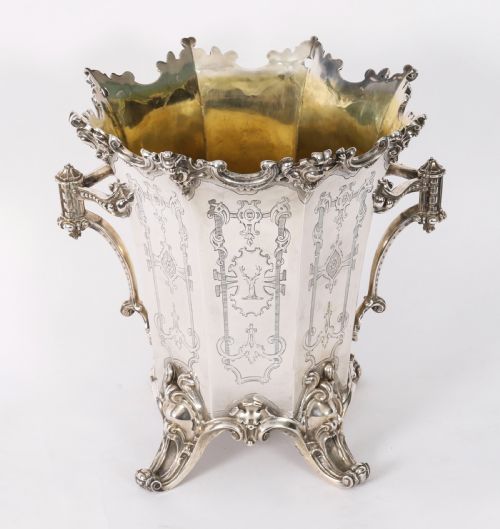

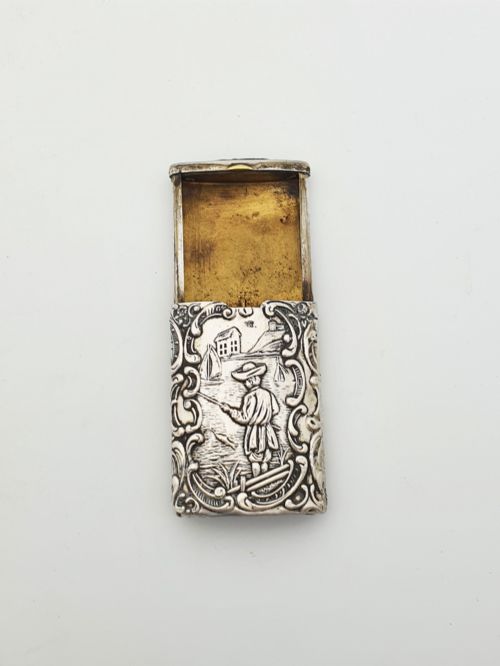
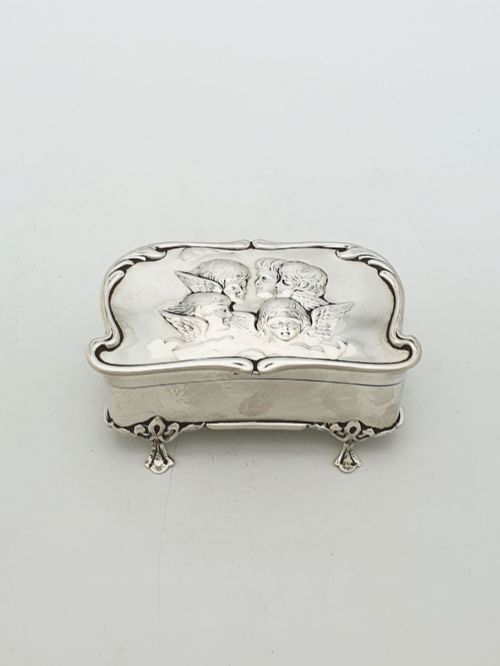
Silver Gilt Interior
Discover silver gilt interior pieces, combining the brilliance of silver with the rich warmth of gold wash to protect and adorn fine tableware and boxes.
Silver Gilt Interior
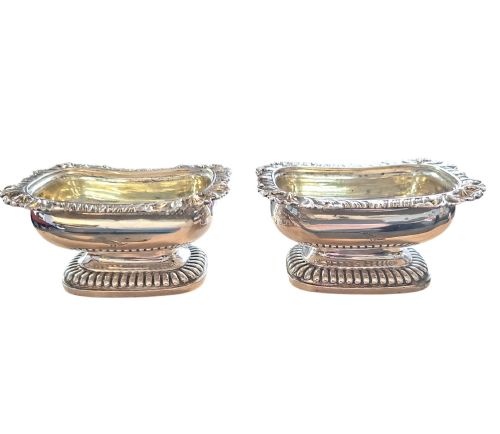
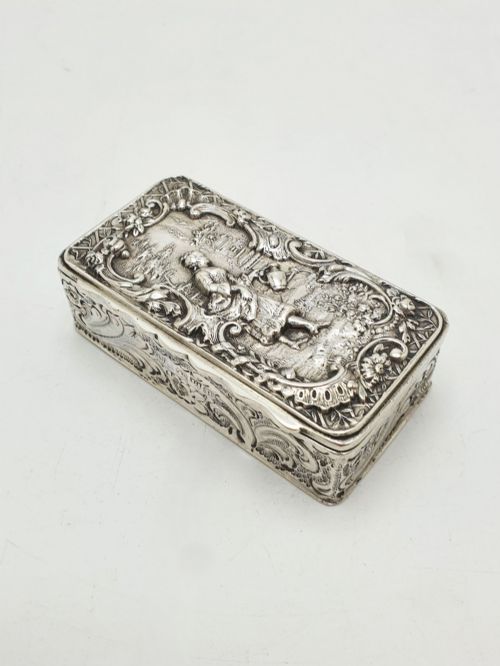
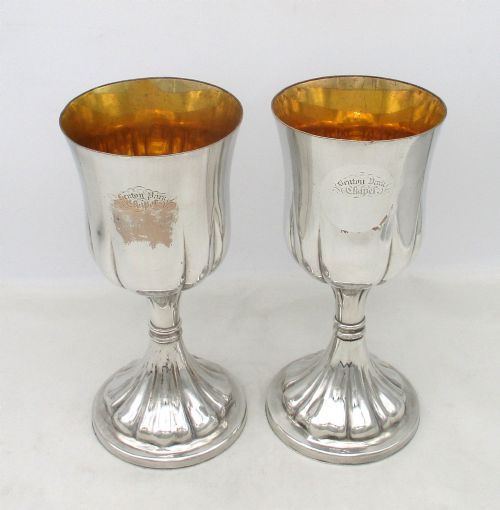
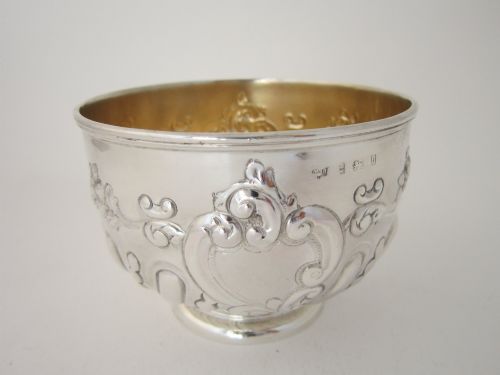
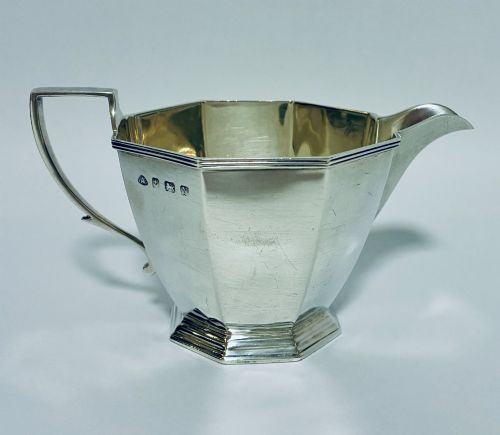
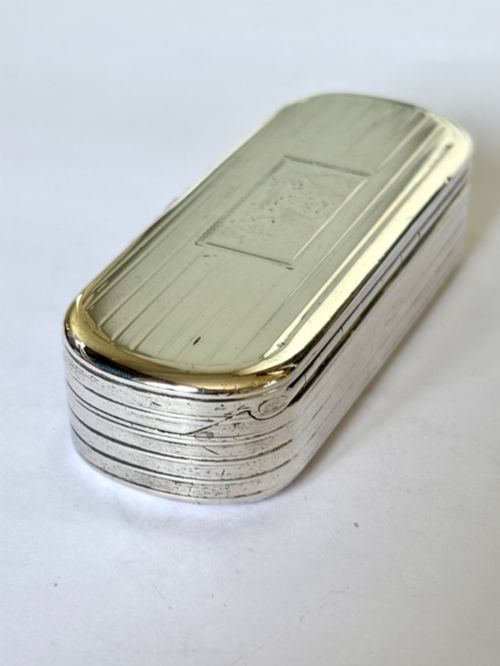
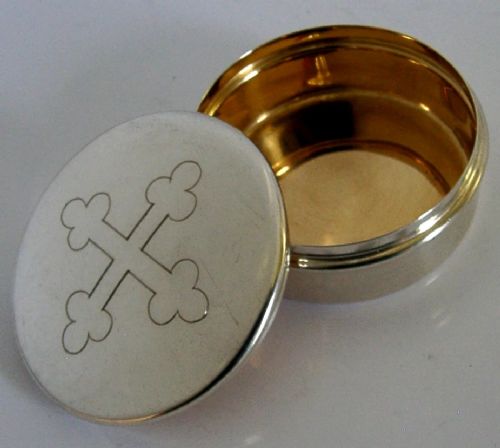
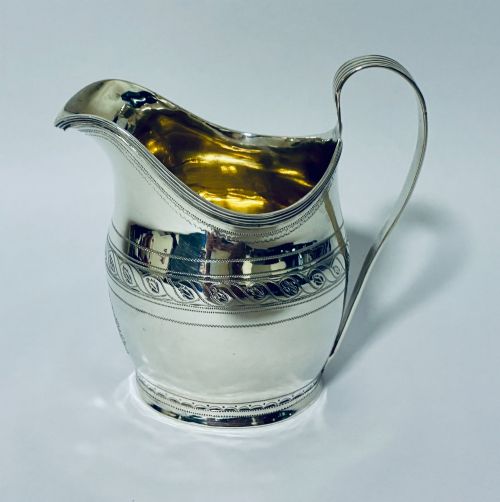
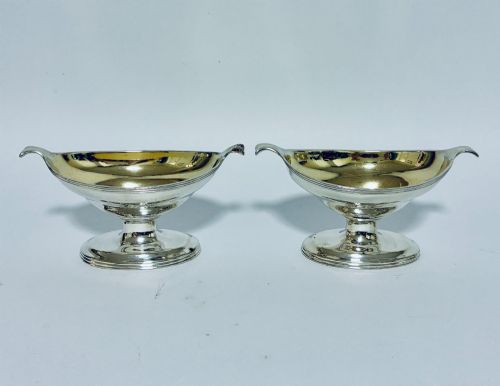
Items carrying a silver gilt interior typically span functional and decorative forms such as salt cellars, sugar bowls, cream jugs, and trinket boxes. The application of gold wash protects the base metal from corrosive substances like salt or mustard while providing a striking contrast to the exterior silver.
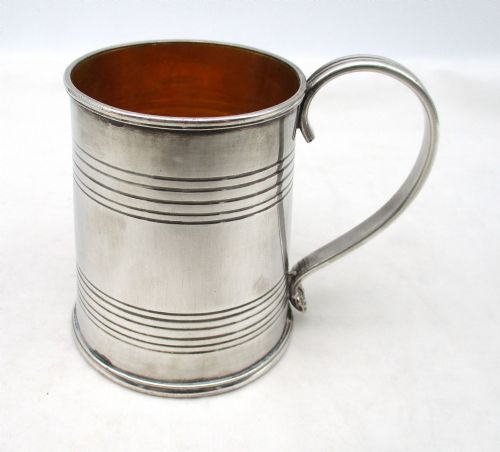
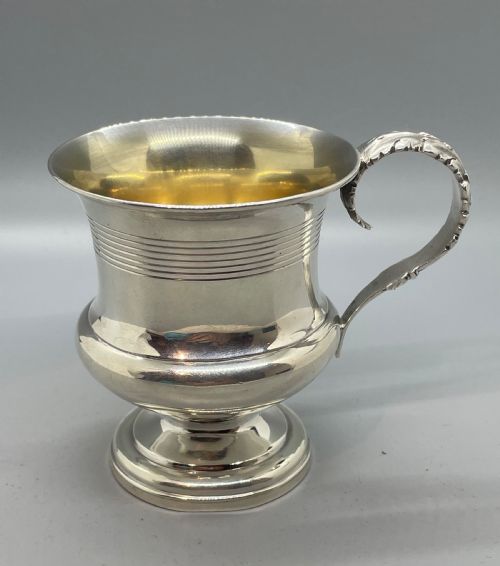
Examples on this page draw from Georgian, Victorian, and Edwardian periods, manifesting in sterling silver and Old Sheffield Plate. These objects range from intimate pill boxes and christening mugs to substantial tea services and wine coolers.
Materials and Gilding Techniques
Silversmiths formed the primary body from sterling silver or copper fused with silver plate, utilising techniques such as raising, casting, and hand engraving. Once the structural vessel was complete, artisans applied a thin layer of gold to the interior surfaces.
Traditional fire gilding or electrogilding deposited the gold onto the silver, creating the characteristic warm finish known variously as gilt interior or gilt wash. This process required immense skill to ensure an even bond across complex interior contours like salt cellars and ornate sugar basins.
Silver Gilt Interior Retail Price Guide 2026
Typical asking prices for silver gilt interior among the pieces listed under this phrase on Sellingantiques today, from the lower quarter to the upper quarter. They describe what is for sale here now, not the wider market.
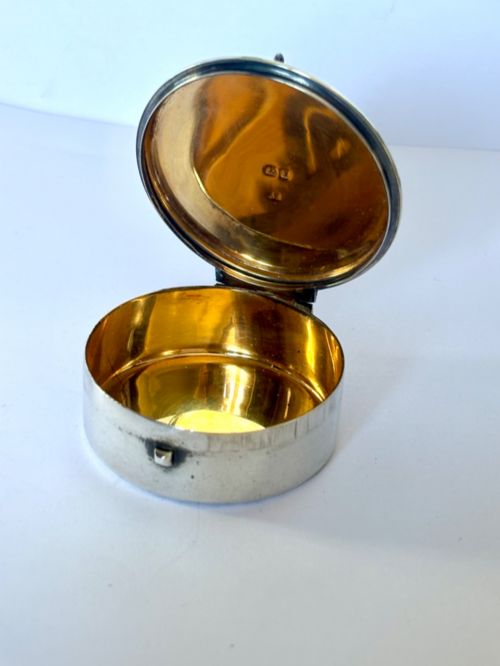
Victorian travelling medical kits prove that even nineteenth-century doctors demanded gold-washed interiors for their portable pill boxes.
Distinctions in Quality
The standard of a silver gilt interior piece rests heavily on the crispness of the silversmith's foundational work, from chased floral reliefs to smooth, heavy-gauge walls. Pieces originating from notable makers display superior weight and balanced proportions.
Preservation of the original gold layer inside bowls, boxes, and jugs dictates much of the appeal. Deeper colour retention and minimal wear from past use distinguish exceptional survivals from those with faded washes.
Paul Storr·Elkington, Mason and Co·Sampson Mordan·Walker and Hall·Robert Hennell
The Silver Gilt Interior Glossary
- Silver gilt
- Sterling silver or silver plate that has been coated with a thin layer of gold on its surface. This technique prevents tarnishing and protects the metal from acidic foods.
- Gilt wash
- A light application of gold gilding, frequently found inside nineteenth-century boxes, mugs, and sugar basins. It gives the interior a warm, distinct yellow-gold hue.
- Old Sheffield Plate
- A composite material made by fusing a layer of silver to a copper core, common in eighteenth and nineteenth-century tableware before electroplating.
- Sterling silver
- An alloy containing a high proportion of pure silver, standard for British domestic silver items across the Georgian and Victorian eras.
Silver Gilt Interior: Frequently Asked Questions
What is a silver gilt interior?
A silver gilt interior refers to a gold coating applied to the inside of a silver object, such as a bowl, salt cellar, or mug.
This layer was traditionally added to prevent corrosive food substances from staining or damaging the bare silver surface.
Why did silversmiths use gold inside silver items?
Salt, mustard, and acidic liquids react aggressively with raw silver, causing pitting and discoloration over time.
Coating the interior with gold created a resilient barrier that extended the functional life of tablewares.
How do I care for a gilt interior?
These delicate surfaces require gentle cleaning with warm soapy water and a soft cloth rather than abrasive silver polishes.
Harsh chemical dips will strip away the historical gold wash over time.
Are gilt interiors solid gold?
They are not solid gold; rather, they consist of a thin layer of gold bonded to the underlying silver or plated body.
This method provided the aesthetic and protective benefits of gold without the prohibitive cost of a solid gold vessel.