


Silver Gadrooned Plates
Silver gadrooned plates and associated serveware bring tactile weight and disciplined borders to a table.
Silver Gadrooned Plates
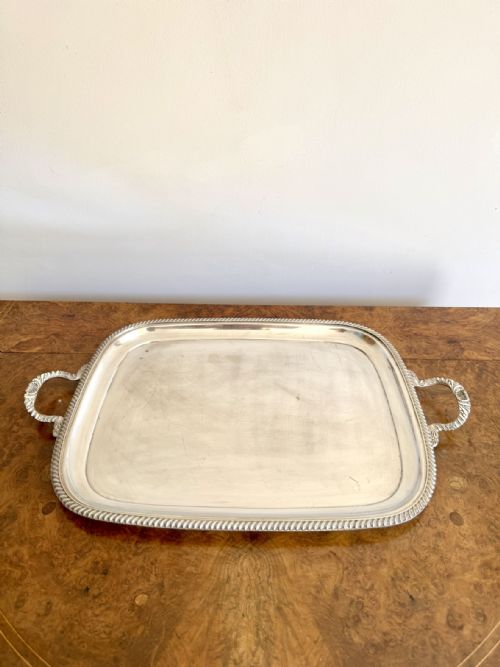
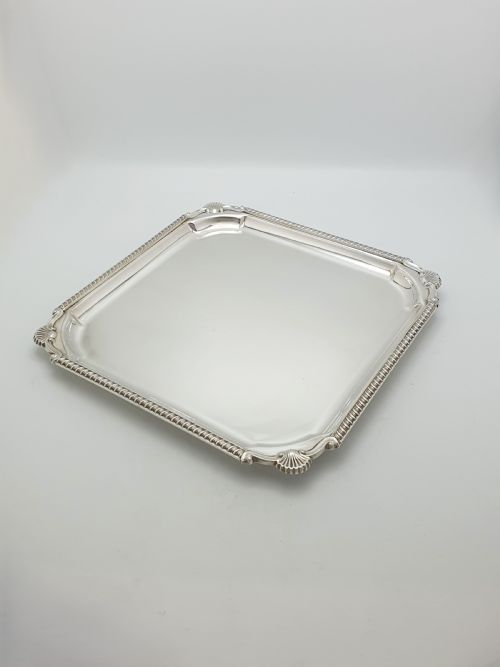
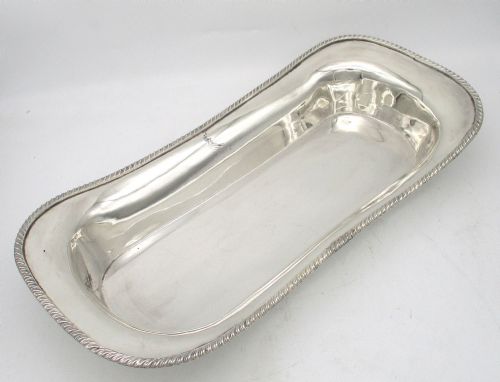
Silver gadrooned plates and related serveware connect domestic dining rooms of the Georgian, Victorian, and Edwardian eras to modern tables. These pieces include dinner plates, entrée dishes, and serving trays defined by their distinctive relief borders.
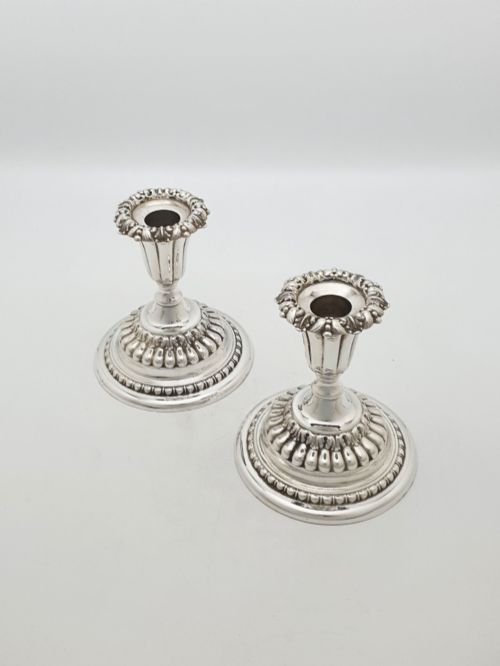
The version most commonly met on this page is the silver plated or Old Sheffield Plate piece, often dating from the nineteenth century or the Edwardian period. Alongside plates, the selection embraces candlesticks, cake baskets, and wine coasters carrying the same ornamental edging.
Materials and construction
The pieces rely upon silver plate, electroplated nickel silver, or Old Sheffield Plate fused over copper and base metal cores. Traditional fusion methods applied a thin sheet of real silver to a copper ingot before rolling, creating durable surfaces that reveal subtle hints of base metal where wear occurs.
Decorative borders take shape through hammering, stamping, or applied mounts that introduce the characteristic gadroon pattern around the rim. Makers utilised silver plating techniques that evolved from early fusion methods to later electroplating processes during the nineteenth century.
Creswick and Matthew Boulton pieces carry centuries of dinner party secrets within their polished gadrooned rims.
Assessing quality and craftsmanship
Quality rests upon the crispness of the gadrooned border and the integrity of the underlying metal plating. Stronger examples maintain thick silver layers and sharp relief work along the rim without thinning from excessive cleaning.
Proportion and maker identity further divide the range, with marked pieces from noted workshops showing superior balance and finishing. The weight of the metal and the neatness of applied mounts dictate the overall presence of each dish or tray.
Creswick·Matthew Boulton·Barker Ellis·Frank Cobb and Co
The Silver Gadrooned Plates Glossary
- Gadroon
- A decorative carved or embossed band of parallel convex curves used to edge metalwork and silver. It provides a formal, textural border on plates and trays.
- Old Sheffield Plate
- An early composite material made by fusing a sheet of silver to a copper base. This technique preceded modern electroplating and produces characteristic warm tones.
- Entrée Dish
- A covered serving vessel designed for side dishes or main courses at formal dinners. These pieces often feature removable handles and matched gadrooned rims.
- EPNS
- Electroplated Nickel Silver, a base metal alloy coated with a layer of pure silver through an electrical process. It became common for domestic tableware in the Victorian era.
- Sauce Tureen
- A small covered container with handles designed for holding gravy or sauce at the table. They frequently stand on matched bases with decorative borders.
Silver Gadrooned Plates: Frequently Asked Questions
What is Old Sheffield Plate?
Old Sheffield Plate is an early composite material made by fusing a thin sheet of silver to a thick copper ingot. This layered metal was then rolled out and worked into plates, trays, and candlesticks.
Over decades of use, the underlying copper may peek through the silver layer, particularly on raised edges and gadrooned borders. This gentle telegraphing of the base metal is characteristic of authentic early pieces.
How do I clean silver plated plates?
Clean silver plated and Old Sheffield items with mild soapy water and a soft cloth to protect the thin metal surface. Avoid harsh abrasive dips that strip away remaining plating.
Store pieces in dry environments away from direct sunlight and rubber materials to prevent tarnishing. Gentle regular dusting preserves the bright finish of the decorative rims.
Are these pieces safe for food?
Many historical silver plated dishes and serving trays function well for dry foods, bread, or presentation purposes. Modern use depends on the condition of the silver surface and whether any copper core is exposed.
Items showing significant loss of plating on interior surfaces are better suited for display or decorative domestic use. Inspect each piece individually before serving wet or acidic foods.
How do I date an Edwardian piece?
Edwardian items date from the reign of King Edward VII between 1901 and 1910. These pieces often reflect refined revival styles combined with efficient manufacturing techniques.
Maker marks, registration numbers, and specific plating stamps stamped into the base help confirm the decade of production. Stylistic cues also align with the decorative preferences of the early twentieth century.