





Silver Fruit Serving Set
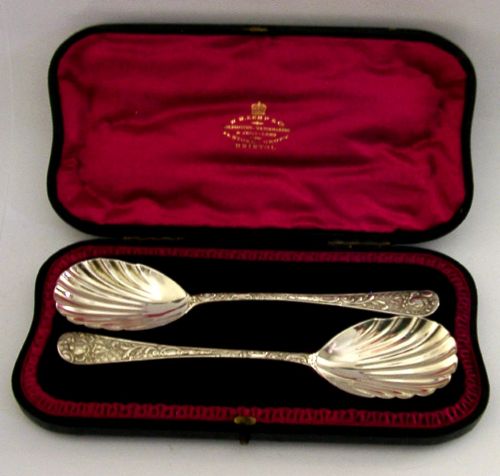
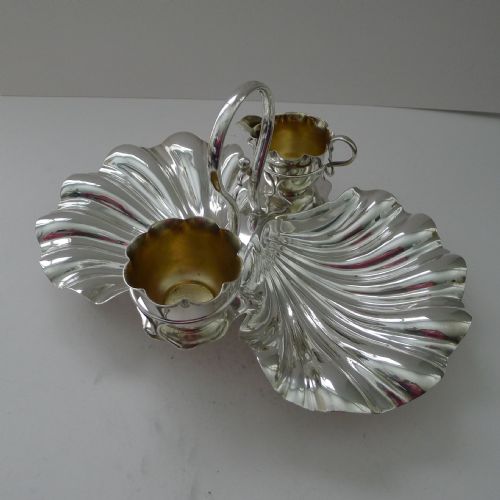
These silver fruit serving set pieces are fitted cased assemblies of spoons, knives and forks designed for dessert.
Silver Fruit Serving Set
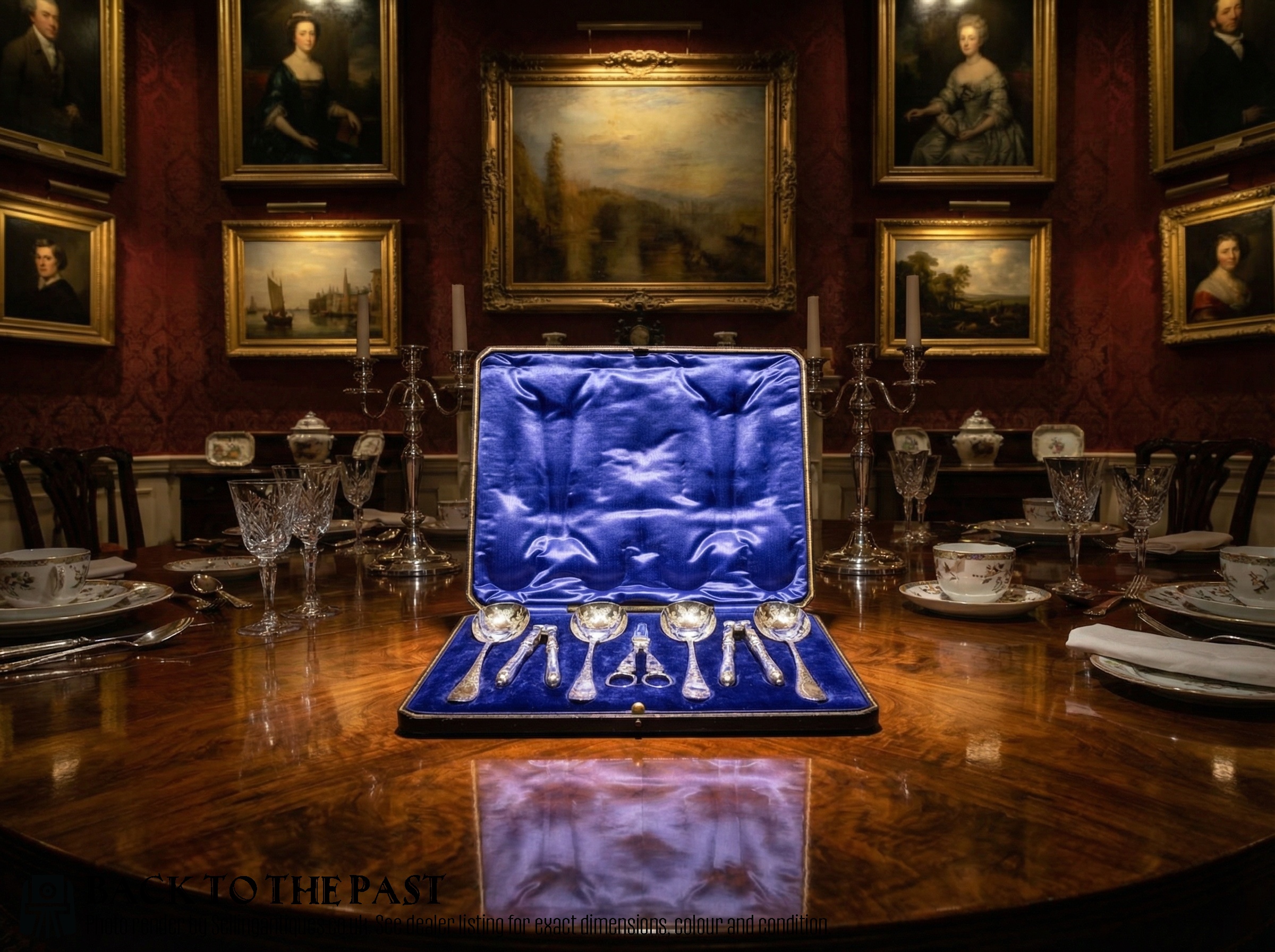
When you search for a silver fruit serving set, you encounter specialised dining service implements intended for the dessert course. These assemblages appear across Victorian, Edwardian and Georgian periods, taking the form of cased pairs and fitted boxes.
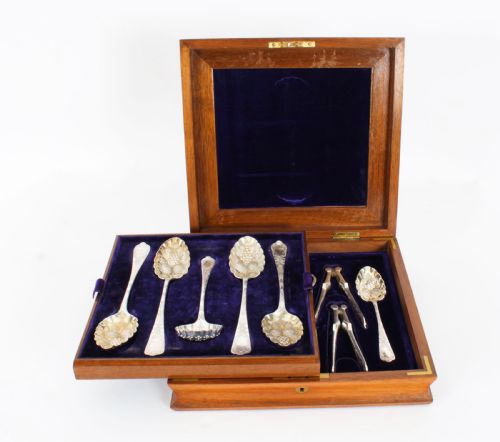
The most common versions on this page are Victorian and Edwardian cased sets featuring sterling silver or silver plate. They include serving spoons, berry spoons, nutcrackers and grape scissors, often housed in velvet or satin lined boxes.
Earlier Georgian examples also surface, showing George III styling with engraved handles and fitted cases. Such configurations reflect formal dining habits of the eighteenth and nineteenth centuries, centring on fruit and nut consumption.
How they were made
Makers utilised sterling silver and electroplated nickel silver as the primary metallic components for spoons, forks and fruit knives. These metals were shaped through casting and stamping, then finished with hand engraving or gilding.
Presentation boxes rely on wooden carcases covered in leatherette, housing interior linings of silk, satin or velvet. Metal mounts, hinges and clasps secure the fitted interiors where individual utensils rest.
Silver Fruit Serving Set Retail Price Guide 2026
Typical asking prices for silver fruit serving set among the pieces listed under this phrase on Sellingantiques today, from the lower quarter to the upper quarter. They describe what is for sale here now, not the wider market.
Materials across these listings include sterling silver, silver plate, oak, velvet, silk, satin and leatherette.
What varies in quality
The distinction between tiers rests on the depth and crispness of handler engraving and the choice of base material between sterling silver and silver plate. Sterling pieces with gilt bowls and full matching components command greater attention than plated alternatives.
Box construction also defines the grade, with fitted timber cases covered in sound leatherette and intact silk linings outperforming simpler housing. Complete sets retaining original nutcrackers, grape scissors and matching spoons demonstrate superior original conception.
Daniel Arter·Hukin & Heath·Lee & Wigful
The Silver Fruit Serving Set Glossary
- Sterling silver
- A silver alloy containing 92.5 percent pure silver by mass and 7.5 percent other metals, usually copper. This standard marks the higher grade of metalwork seen across these dining utensils.
- Silver plate
- A layer of silver applied to a base metal such as copper or nickel silver. This technique offered an accessible alternative to solid sterling for large dining services.
- Berry spoon
- A large serving spoon, often heavily chased or engraved with fruit and foliage motifs. These pieces were adapted during the Victorian era for serving soft fruits.
- Sifter
- A perforated spoon designed for dusting sugar over fruit or desserts. They appear within cased condiment and fruit arrangements from the Georgian period onward.
- Electroplated nickel silver
- A copper, nickel and zinc alloy coated with a thin layer of silver through an electrolytic process. It served as a durable foundation for late nineteenth century serveware.
Silver Fruit Serving Set: Frequently Asked Questions
What is in a fruit serving set?
These sets contain specialised cutlery such as berry spoons, serving forks, fruit knives, nutcrackers and grape scissors.
Many examples also incorporate glass bowls or crystal elements mounted in silver or oak frameworks.
How were these sets stored?
The pieces are housed in fitted wooden boxes covered in leatherette and secured with metal clasps.
Interiors feature moulded recesses lined with velvet, silk or satin to protect the metal surfaces.
Are these sets solid silver?
The listings include both solid sterling silver pieces and silver plated items over nickel silver bases.
Marks on the metal indicate the specific standard and origin of manufacture.
From which eras do they date?
The pieces span the Georgian, Victorian and Edwardian periods, stretching from the mid eighteenth century into the early twentieth century.
Design styles shift from plain Georgian lines to ornate Victorian engraving and Edwardian assembly.