

Silver Fruit Dishes
Silver fruit dishes bring substance to the table, spanning solid sterling and plated silver forms from the Victorian era to the mid twentieth century.
Silver Fruit Dishes
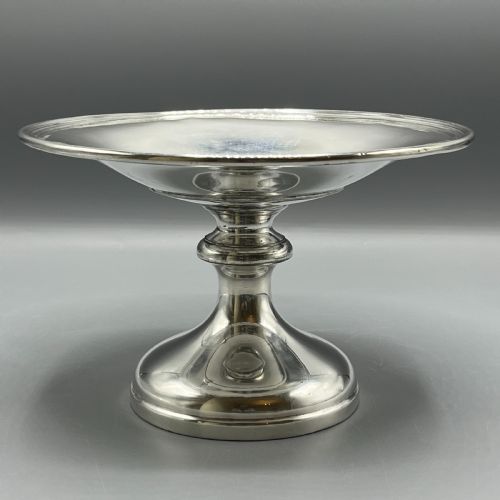
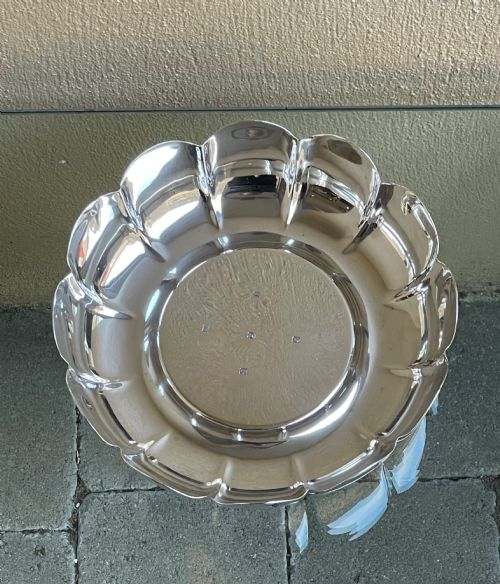
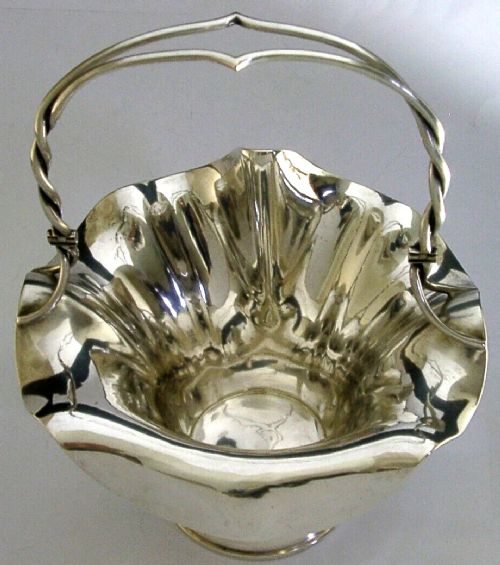
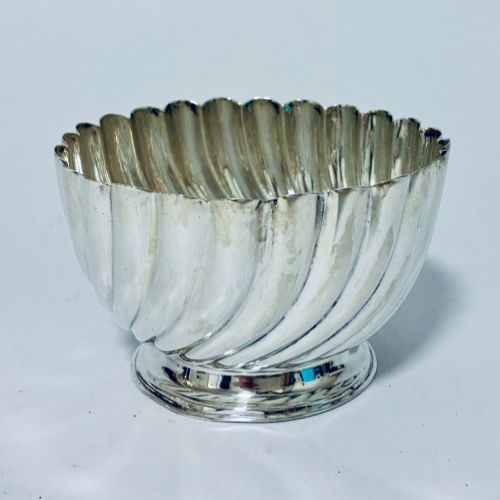
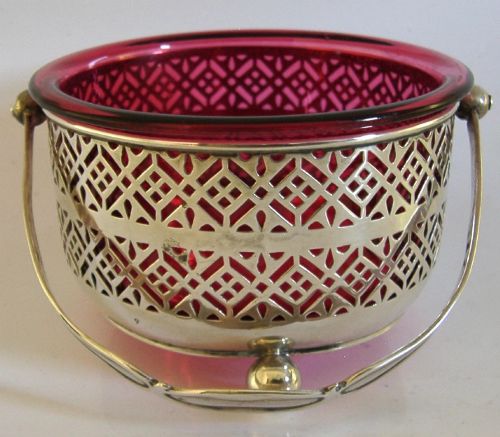
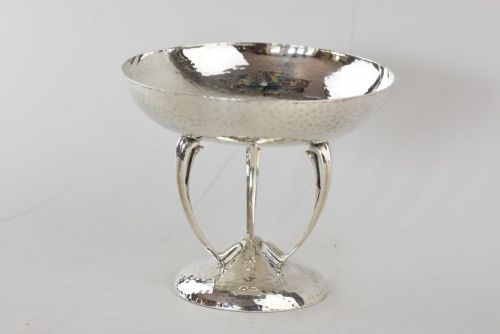
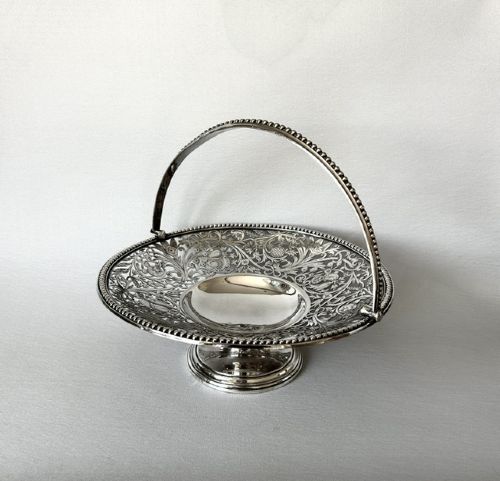
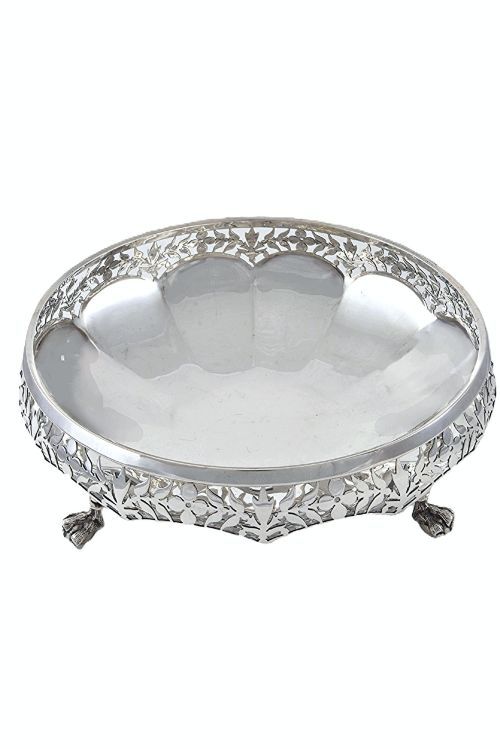
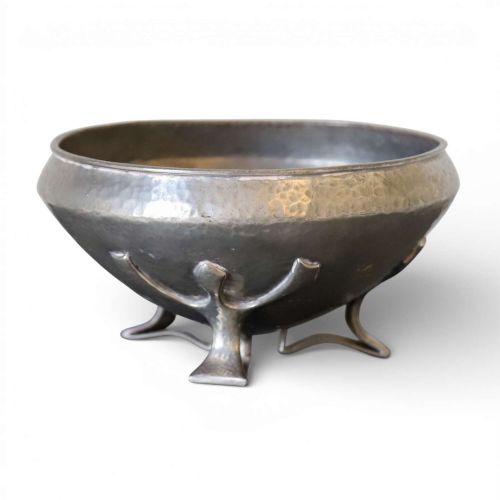
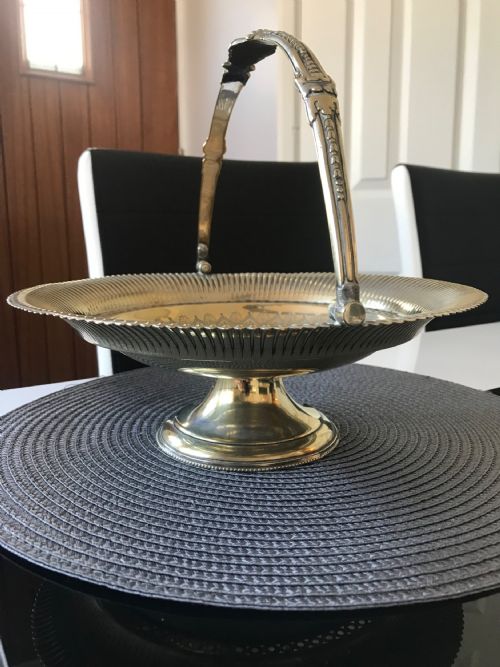
Silver fruit dishes encompass an array of forms, from swing handled baskets and footed tazze to substantial pedestal centrepieces and shallow open bowls. When exploring silver fruit dishes, buyers encounter works shaped by Victorian elaboration, Edwardian lightness, and the cleaner lines of Art Nouveau and Art Deco periods.
The material palette ranges from heavy sterling silver and Old Sheffield Plate to electroplated nickel silver, pewter, and combinations featuring cranberry glass, ceramic, or crystal liners. Most examples on this page date from the nineteenth and twentieth centuries, reflecting British, continental, and Anglo-Indian manufacturing traditions.
Materials and construction
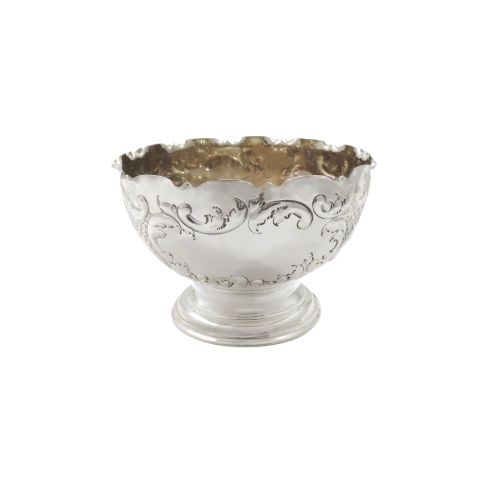
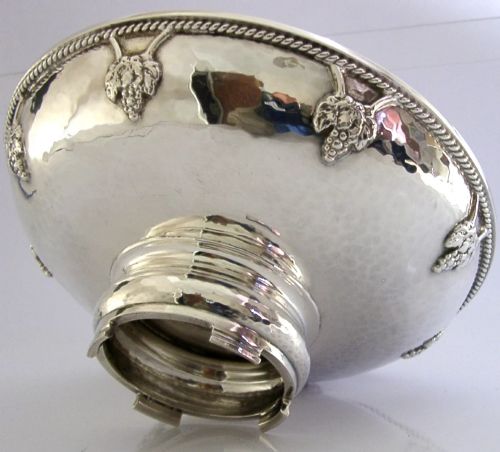
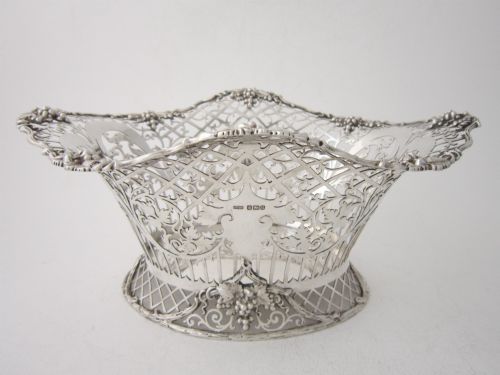
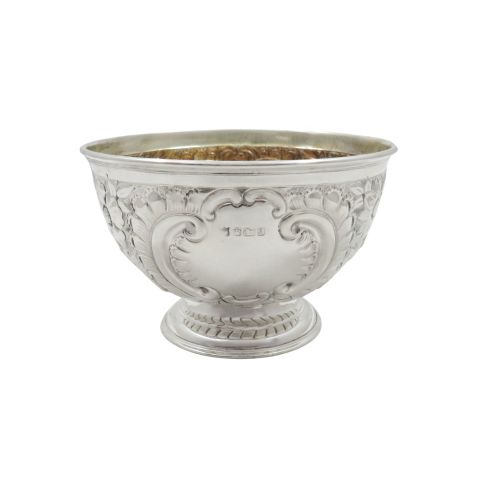
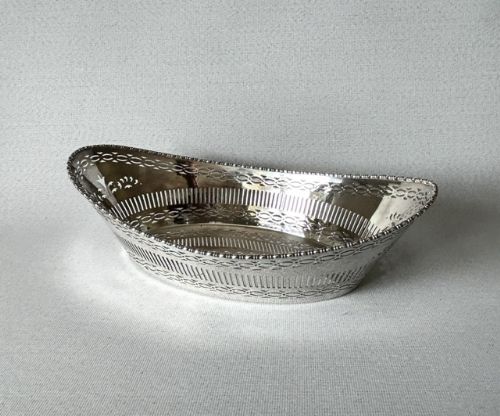
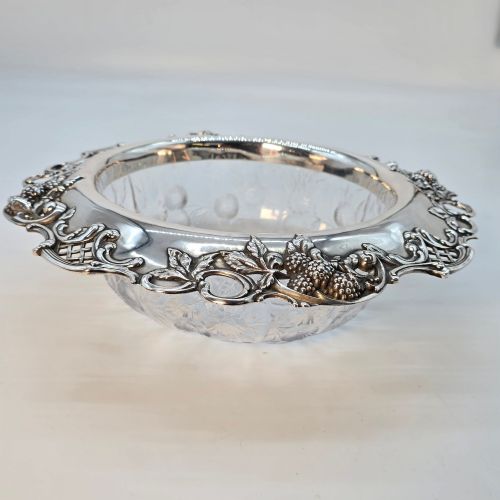
Many pieces rely on sterling silver or silver plate applied to a base metal core such as copper or nickel silver, while others utilise pewter or mixed metals. Techniques include piercing, hammering by hand, and repoussé work, where designs are driven from the reverse to create raised floral and scroll relief.
Vessel bodies often incorporate glass inserts, such as green vaseline glass or cobalt blue liners, held securely within pierced or openwork metal baskets. Handles are frequently articulated with swing mechanisms or cast in solid metal, attached securely to footed bases or low spreading rims.
Silver Fruit Dishes Retail Price Guide 2026
Typical asking prices for silver fruit dishes among the pieces listed under this phrase on Sellingantiques today, from the lower quarter to the upper quarter. They describe what is for sale here now, not the wider market.
Several pieces arrive with swing handles that stubbornly refuse to stay upright, having swung back and forth for over a century.
Factors determining quality
Quality rests upon the crispness of the hand chased or repoussé detail and the structural integrity of pierced lattice work, which should remain clean and even without distortion. The weight of the metal and the balance of pedestal feet or three legged tazza mounts dictate how firmly a vessel sits and how substantial it feels in the hand.
Maker attribution and the clarity of hallmarks or maker marks elevate specific items, particularly those associated with recognised workshops and silversmiths. The preservation of original silver plating over copper or nickel, or the intact condition of fitted glass liners, distinguishes finer survivals from heavily worn examples.
A E Jones·Liberty & Co·Tiffany & Co·Mappin & Webb·Walker & Hall·William Comyns
The Silver Fruit Dishes Glossary
- Tazza
- A shallow bowl or plate mounted upon a stem and foot. This form derives from classical presentation pieces and serves well for displaying fruit.
- Repoussé
- A metalworking technique where a design is hammered into relief from the reverse side. This method creates tactile floral and scroll patterns across the body of a bowl.
- Old Sheffield Plate
- An early fusing technique where a thin layer of sterling silver is fused to a thicker copper base. Pieces made this way often reveal subtle copper edges where wear occurs.
- Pierced
- Work featuring decorative cutouts or lattice openings formed through sawing or punching. This technique lightens heavy metal vessels and creates intricate geometric or floral patterns.
Silver Fruit Dishes: Frequently Asked Questions
How were silver fruit dishes used?
These vessels held fresh fruit on dining tables and sideboards, often serving as centrepieces during formal meals. Pierced baskets and shallow dishes allowed air to circulate around citrus and soft fruits.
Over time, their roles expanded into presentation pieces, prizes, and decorative containers for the home. Their durable metal construction suited daily dining routines as well as ceremonial gatherings.
How do I clean silver fruit dishes?
Maintenance requires a soft cloth and a gentle silver polish formulated to lift tarnish without abrasive scrubbing. Care must be taken around pierced sections and raised repoussé relief where polish can accumulate.
Pieces with glass liners or wooden elements need separate attention, keeping moisture away from organic components. Regular handling and gentle dusting prevent heavy tarnish from settling into intricate recesses.
How can I tell Victorian from Edwardian pieces?
Victorian examples tend toward heavy, ornate decoration with dense floral engraving, deep repoussé work, and darker patination. They often embrace classical revivalism or elaborate naturalistic motifs.
Edwardian items frequently display lighter, airier designs influenced by Art Nouveau or neoclassical trends. Pierced work becomes more delicate, and forms often incorporate pastel or clear glass inserts.
Can I use them for food today?
Solid silver and undamaged silver plate remain entirely safe for serving dry fruits, nuts, or breads. Care should be taken with acidic fruits if the silver plate is worn down to the base metal underneath.
Items containing glass liners or crystal bowls offer a practical barrier for holding modern foodstuffs safely. Regular washing with mild warm water preserves both the metal surfaces and any delicate liners.