


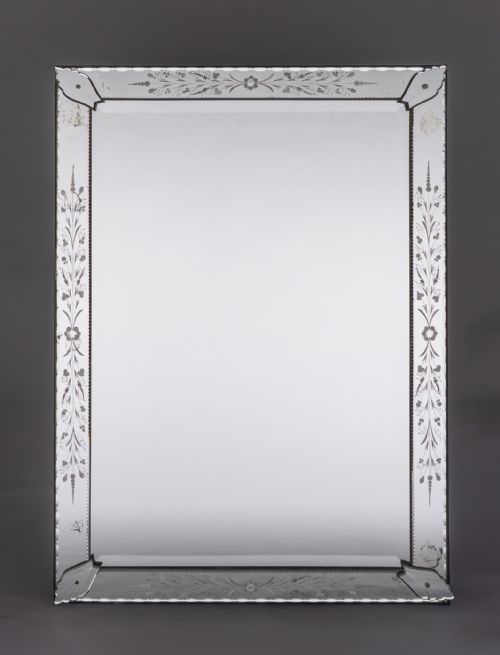

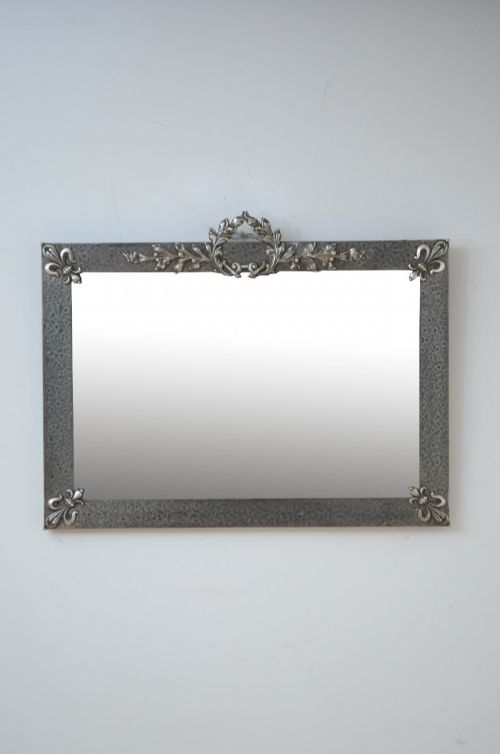
Silver Frame Mirror
A silver frame mirror brings light and reflective depth into a room, spanning periods from ornate French chateau styles to clean Art Deco lines.
Silver Frame Mirror
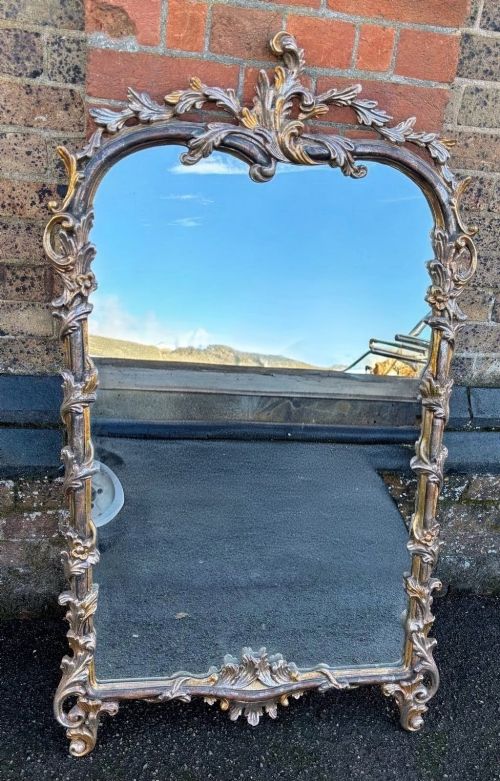
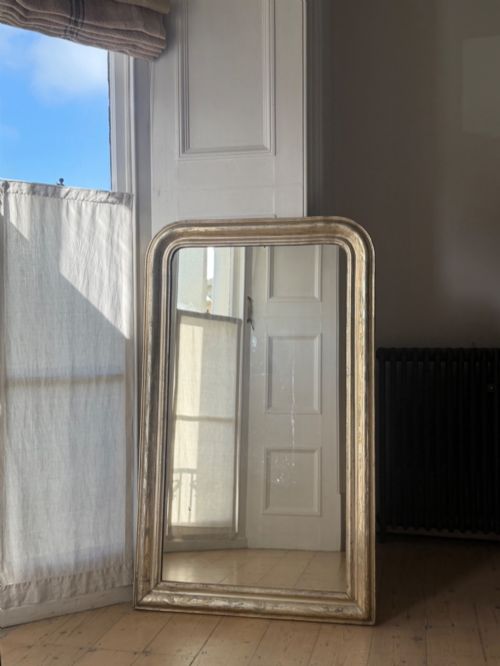
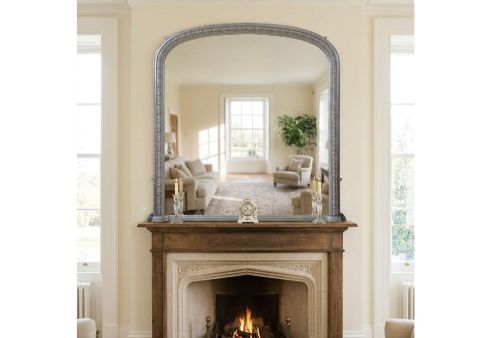
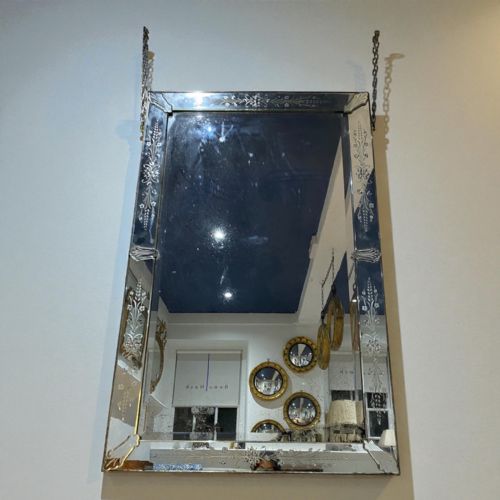
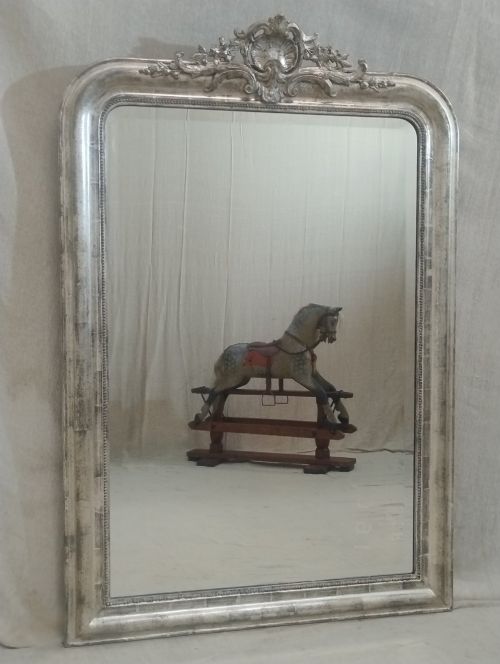
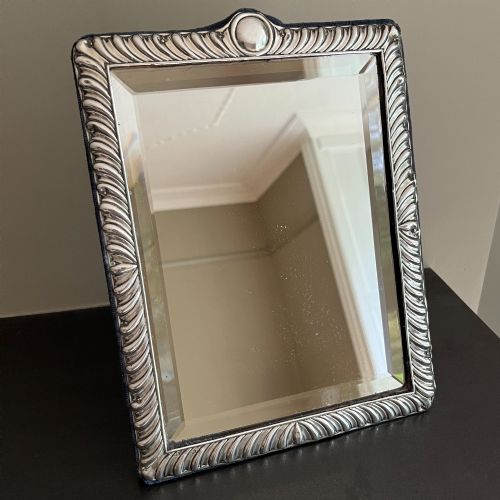
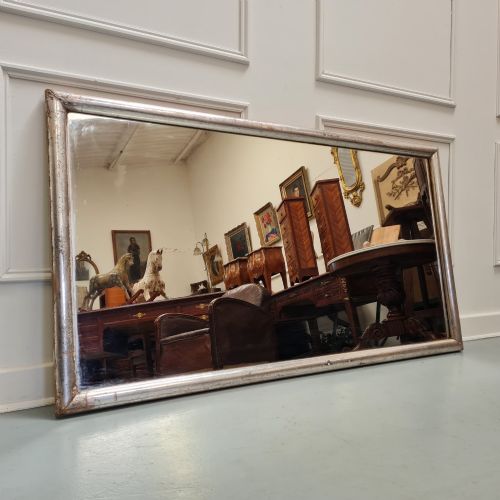
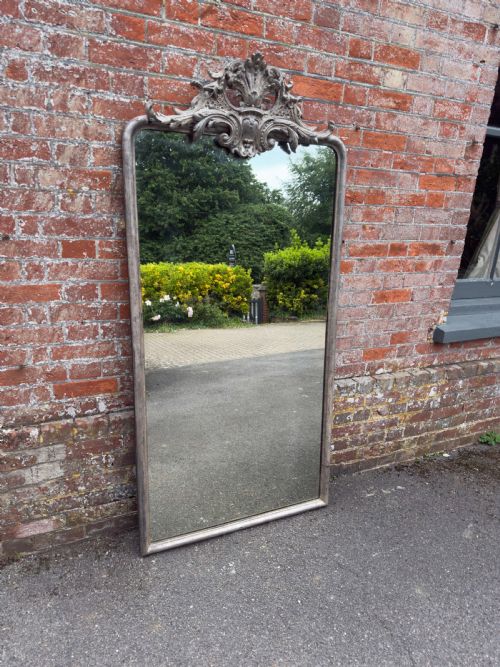
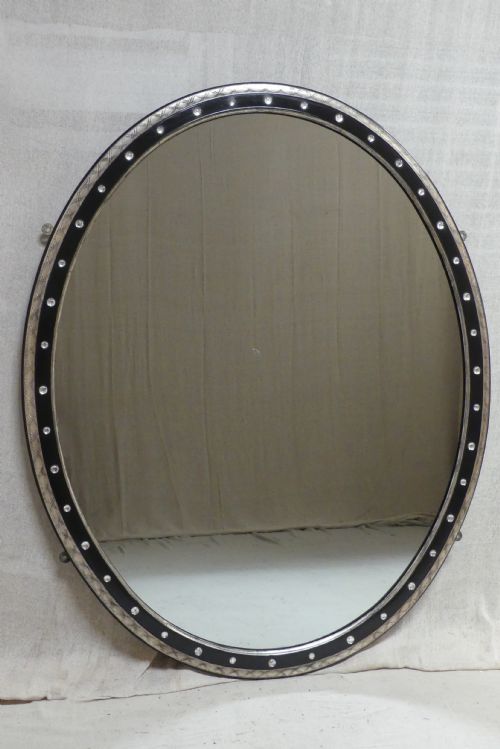
A silver frame mirror serves both practical and decorative purposes within domestic spaces, frequently appearing in forms such as wall mirrors, overmantel mirrors, and smaller dressing table mirrors. When searching for a silver frame mirror, buyers encounter a diverse selection ranging from expansive nineteenth century French and Venetian pieces to compact Edwardian sterling silver strut mirrors.
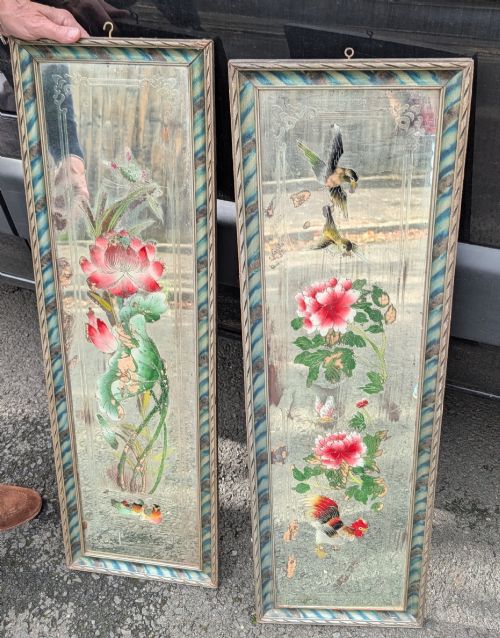
The selection encompasses numerous distinct aesthetic traditions, including Victorian, Arts and Crafts, Art Deco, and Chinoiserie styles. Pieces span multiple centuries, with seventeenth century origins represented alongside nineteenth century revivals and twentieth century modernist designs.
Wall hanging configurations dominate the listings, alongside easel backs for tabletops and specialised cushion mirrors. Buyers navigate items fashioned from solid sterling silver, plated metal, and carved wood finished with silver leaf or gesso.
Materials and Construction Techniques
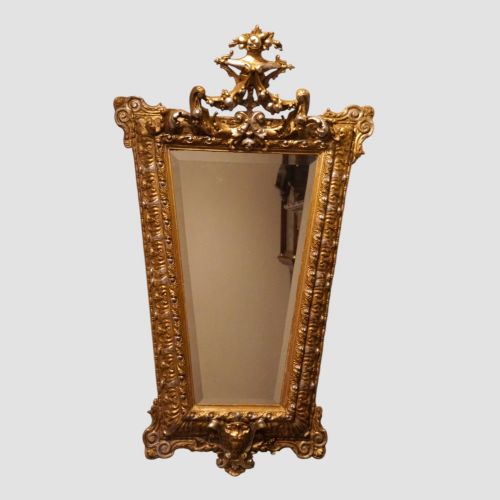
Traditional frames rely heavily upon carved wood substrates built up with gesso before receiving layers of silver leaf, parcel gilt, or silver gilt finishes. Metal frames utilise techniques ranging from hand-hammered Arts and Crafts brass and copper to cast sterling silver and chrome.
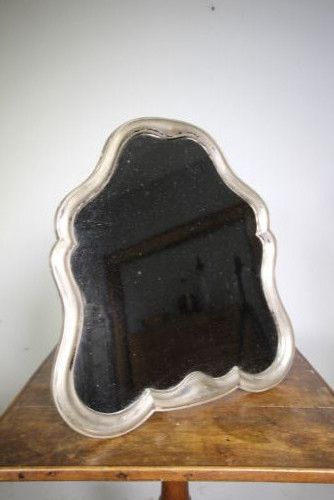
Mirror plates themselves demonstrate period-specific manufacturing traits, including bevelled edges and natural foxing acquired over decades of oxidation. Joinery and backing boards provide structural integrity, particularly on heavy overmantel and large wall mirrors.
Silver Frame Mirror Retail Price Guide 2026
Typical asking prices for silver frame mirror among the pieces listed under this phrase on Sellingantiques today, from the lower quarter to the upper quarter. They describe what is for sale here now, not the wider market.
Some nineteenth century mirrors double as sorcerer mirrors, designed with convex glass to distort reflections and amuse Victorian guests.
Evaluating Craftsmanship and Detail
The distinction between standard examples and superior pieces rests upon the depth and intricacy of hand-carved ornamentation on wooden frames, or the precision of repoussé work on metal mounts. Finer specimens display crisp detailing in motifs such as animals, birds, or classical foliage.
Originality of the mirror plate and the integrity of the silver leaf or gilding significantly influence the character of a piece. Superior manufacture shows meticulous execution in corner joints, secure framing of heavy glass, and authentic period patination rather than modern replacement.
WMF
The Silver Frame Mirror Glossary
- Gesso
- A plaster-like material applied to wood frames to create a smooth surface for gilding or silvering. It is carved and moulded to form decorative reliefs.
- Overmantel mirror
- A large horizontal mirror designed specifically to hang above a fireplace mantelpiece. These pieces frequently anchor the proportions of a reception room.
- Strut mirror
- A tabletop mirror supported by a hinged back leg or easel stand. These are commonly found in Edwardian and Victorian dressing table accessories.
- Foxing
- The speckled brownish spots and age-related oxidation that develop on old mirror glass over time. This chemical change is valued by collectors as a sign of authenticity.
- Cushion mirror
- A mirror featuring a convex or angled outer frame panel that slopes inward toward the central glass plate. This style is particularly prevalent in Venetian production.
Silver Frame Mirror: Frequently Asked Questions
How do I hang a heavy overmantel mirror safely?
Heavy overmantel mirrors require secure wall fixings distributed evenly across the primary wooden structure of the frame. Professional installation into masonry or wall studs ensures the weight is properly supported.
Avoid relying solely on decorative hanging loops attached to older backing boards. Reinforcing the support mechanism protects both the antique frame and the surrounding wall.
Where should I place a silver frame mirror in a room?
Positioning a mirror opposite or adjacent to a window maximises natural light distribution and creates an impression of increased spatial depth. Overmantels naturally suit fireplace placements, while smaller wall mirrors anchor console tables or hallways.
Consider the reflections the glass will capture from seating areas and lighting fixtures. Careful placement enhances the ambient illumination of the entire interior.
How do I clean an antique silver gilt frame?
Dust silver gilt and gesso frames gently using a very soft, dry brush to remove surface particles. Avoid liquid cleaners, modern detergents, or abrasive cloths that can strip delicate metallic leaf.
Preserving the original surface patina requires minimal intervention. Professional conservators should handle any major cleaning or structural stabilization.
How can I distinguish an Edwardian silver mirror from a Victorian one?
Edwardian silver mirrors often display lighter, more streamlined neoclassical or floral motifs reflecting early twentieth century tastes. Victorian examples tend to feature heavier, more ornate casting and deeper relief ornamentation.
Hallmarks on sterling silver mounts provide definitive dating clues for pieces produced after the introduction of standard assay office stamps. Comparing the stylistic flourishes helps narrow down the decade of manufacture.