



Silver Ewer Pitcher
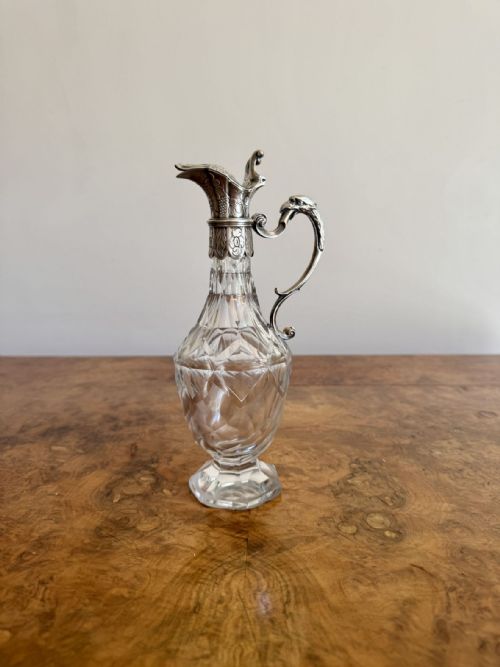
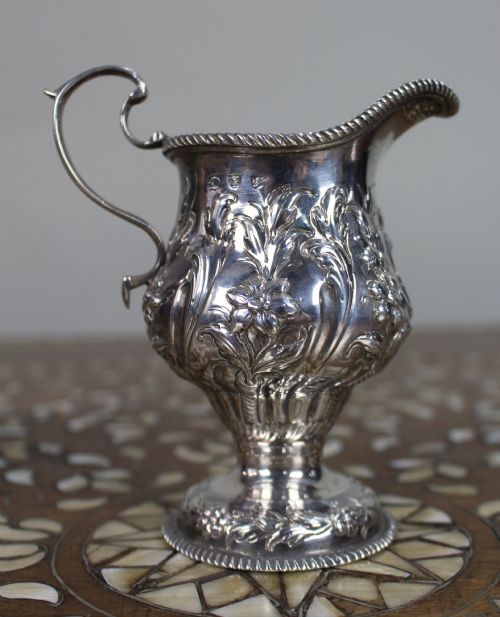
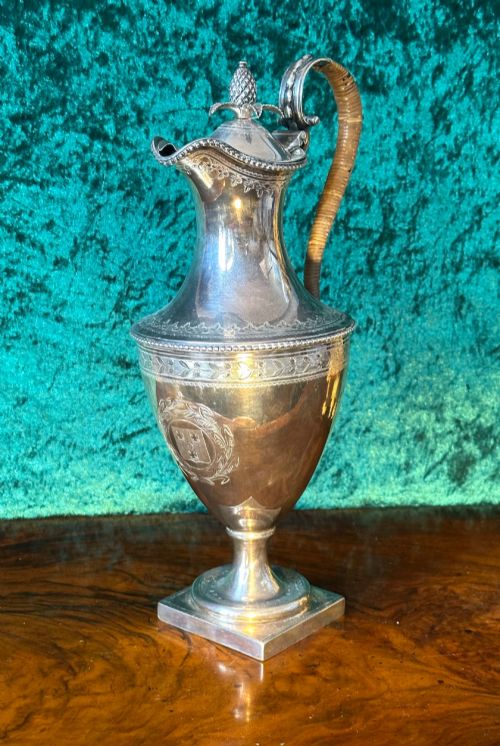
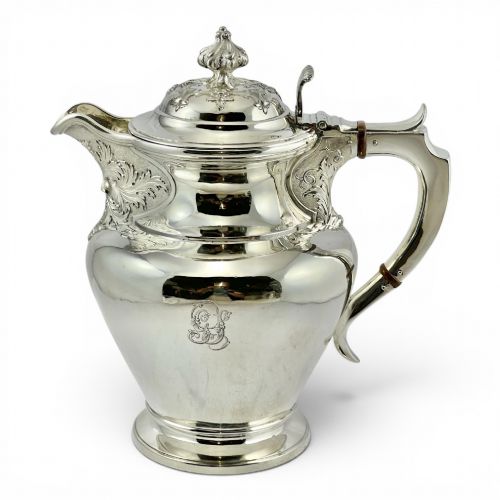
A silver ewer pitcher is a vessel for serving wine, water, or cream, bringing sculptural form and historic metalwork to the table.
Silver Ewer Pitcher
A silver ewer pitcher combines historical utility with ornamental design, originating from periods spanning the twelfth century to the twentieth century.
The selections here range from Georgian solid silver vessels and Regency Sheffield plated wine jugs to Victorian electrotype pieces and Art Nouveau pewter examples.
Buyers will encounter forms functioning as cream jugs, coffee pots, ceremonial ritual ewers, and wine flagons across English, Scottish, Persian, Indian, Tibetan, and Japanese origins.
Assessing quality
The standard of a silver ewer pitcher depends on the crispness of the chasing, the balance of the handle, and the integrity of the metals or plated surfaces.
Peculiarities in maker marks, heraldic engraving like coats of arms, and the weight of the silver or glass elevate certain items above standard production.
Silver Ewer Pitcher Retail Price Guide 2026
Typical asking prices for silver ewer pitcher among the pieces listed under this phrase on Sellingantiques today, from the lower quarter to the upper quarter. They describe what is for sale here now, not the wider market.
Henry Bourne·WMF·Christofle·John Scofield
The Silver Ewer Pitcher Glossary
- Ewer
- A large jug with a wide spout and handle, traditionally used for holding water or wine. They often feature bulbous bodies and pedestal bases.
- Sheffield Plate
- A composite material made by fusing a thin sheet of silver to a thicker copper base. It was widely utilised before the invention of electroplating.
- Electrotype
- A metal object produced by electrodeposition in a chemical bath. This technique allowed makers to replicate intricate historic metalwork accurately.
- Claret Jug
- A specialised pouring vessel designed specifically for serving red wine at the dining table. They frequently combine glass bodies with silver mounts.
Silver Ewer Pitcher: Frequently Asked Questions
What is the difference between a pitcher and a ewer?
A pitcher generally denotes a practical utility vessel with a handle and lip for everyday pouring at table.
A ewer traditionally carries a more decorative or ceremonial association, often featuring a more dramatic curved spout and an elevated foot.
How do I care for antique silver plate?
Antique silver plate requires gentle cleaning with non-abrasive cloths and specialised silver cream to preserve the thin outer layer of precious metal.
Avoid harsh scrubbing or chemical dips that can strip the plating from the underlying base metal.
Were these vessels used for wine or water?
Many examples in this selection are specifically designated as wine jugs, claret jugs, or cordial ewers intended for beverage service.
Others functioned as water ewers for hand-washing at the table or served ceremonial ritual purposes.
How can I tell the period of a silver pitcher?
The period is typically identified through hallmarks, maker stamps, and stylistic indicators such as Neoclassical lines or Art Nouveau organic curves.
Materials like Old Sheffield plate or cut glass also point toward specific manufacturing eras.