

Silver Engraved Tableware
Silver engraved tableware encompasses functional and decorative dining pieces from the Georgian, Victorian, and Edwardian eras, prized for bringing traditional craftsmanship to the dining table.
Silver Engraved Tableware
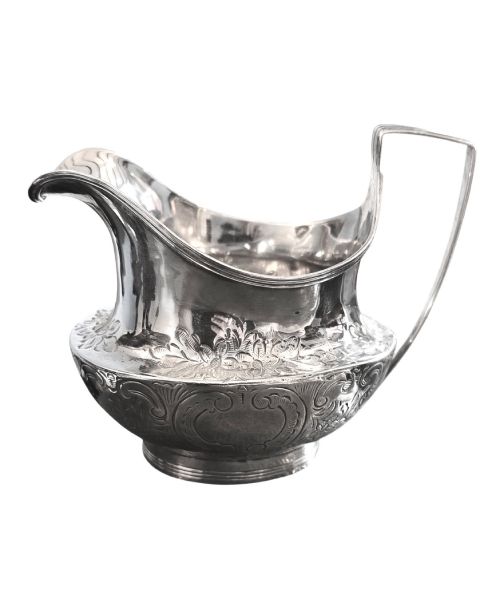
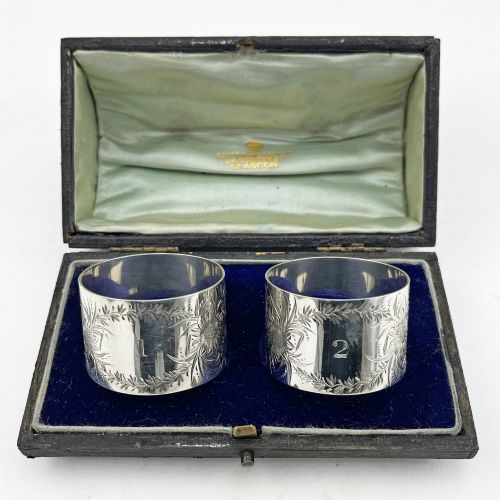
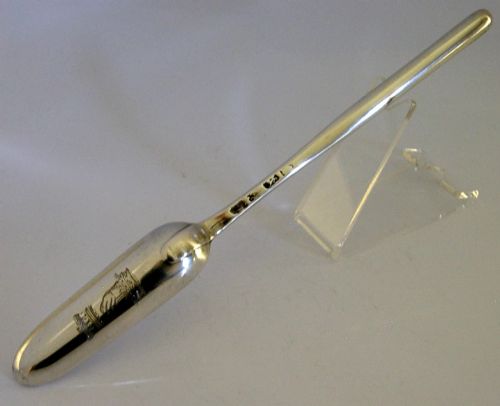
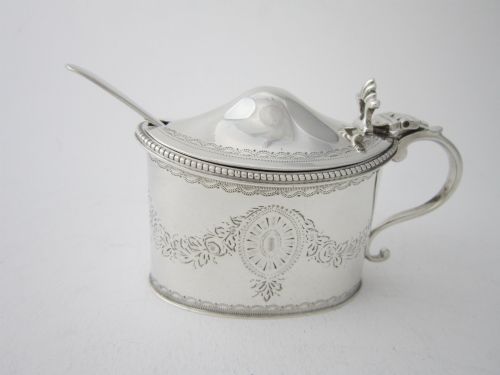
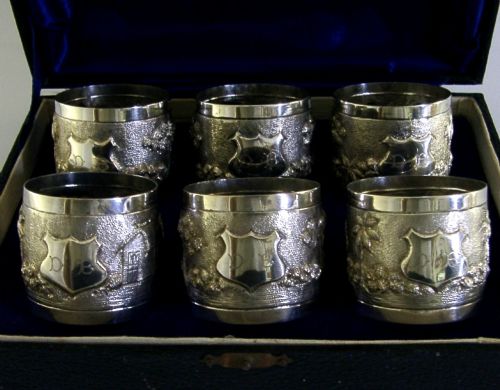
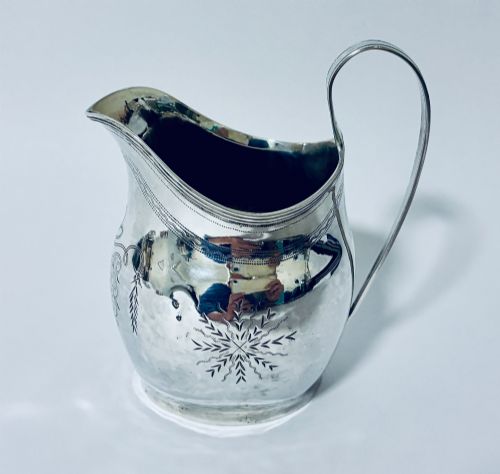
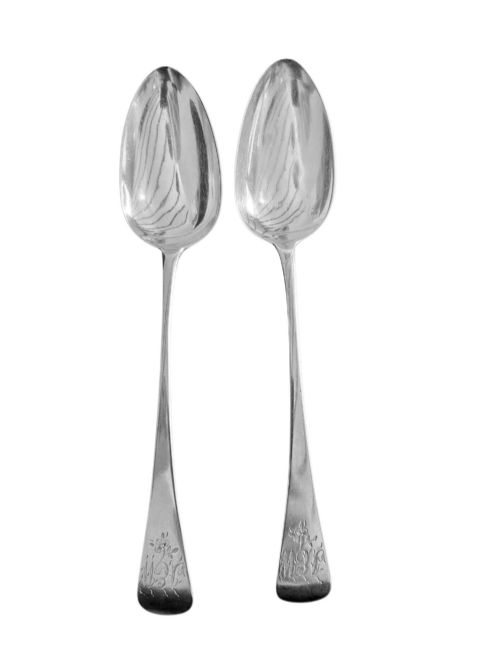
Silver engraved tableware comprises functional dining accessories ranging from serving spoons and mustard pots to cream jugs, napkin rings, and tureens. These items originate predominantly from the Georgian, Victorian, and Edwardian periods, reflecting the shifting dining habits of past centuries.
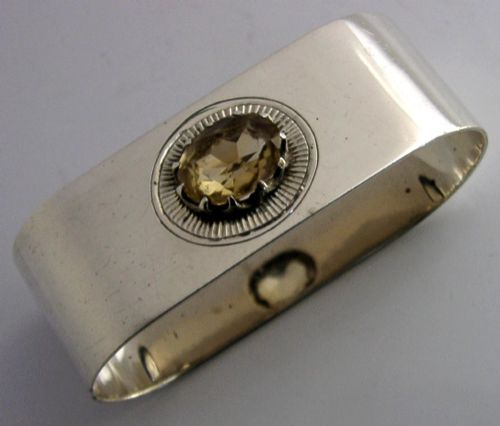
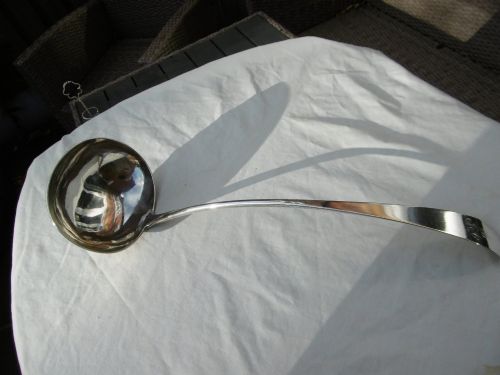
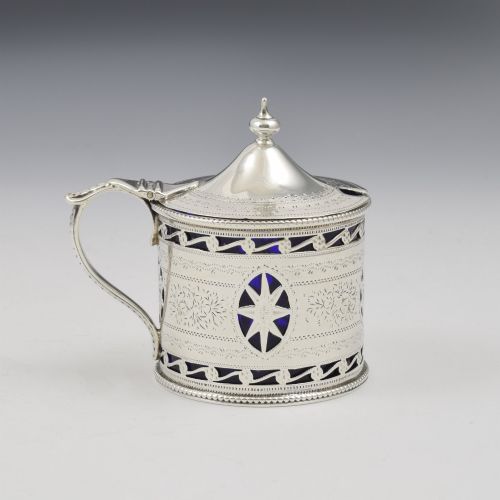
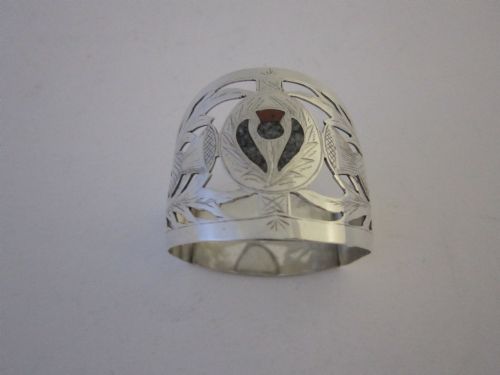
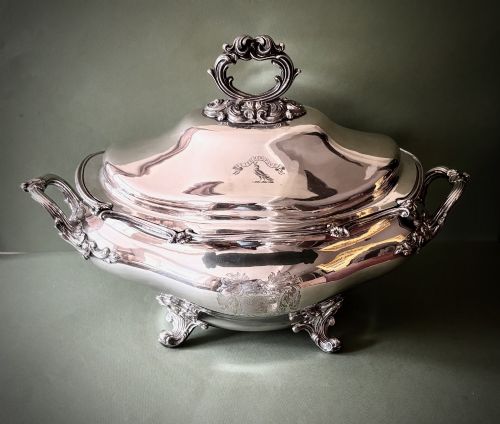
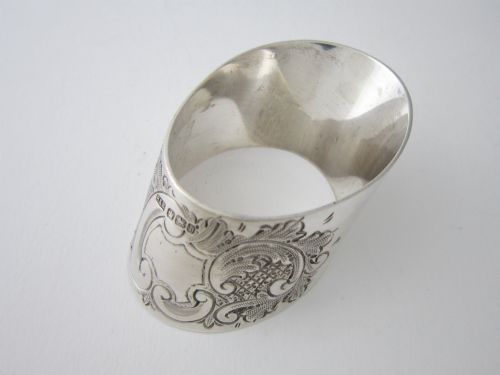
Napkin rings and mustard pots appear frequently on this page, often found individually or housed in fitted presentation cases. Larger serveware pieces such as soup ladles, ewer coffee pots, and heavy tureens represent the more formal aspects of historical dining.
The objects span solid sterling silver and silver plate, sometimes incorporating secondary materials like glass, agate, and silk. Each piece demonstrates how utilitarian items received decorative embellishment through handcrafting traditions.
How they were made
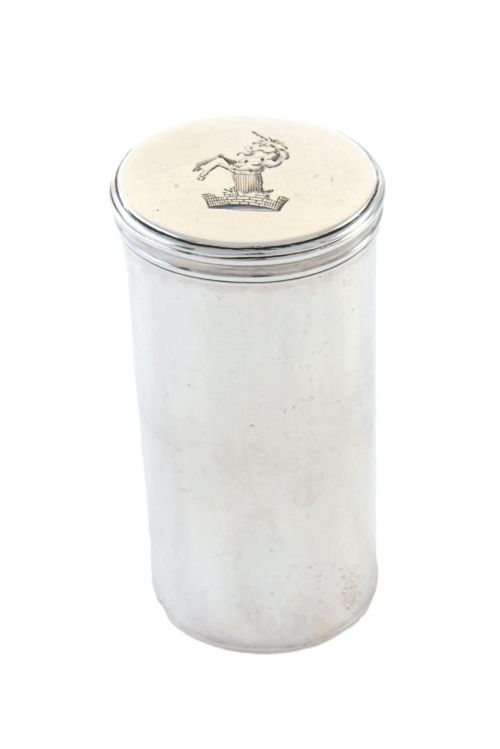
Silversmiths utilised sterling silver or silver plate over copper, working the metal through hammering, casting, and piercing techniques to form hollowware and flatware. Many items display hand-engraved crests, monograms, or foliate scrolls cut directly into the metal surface.
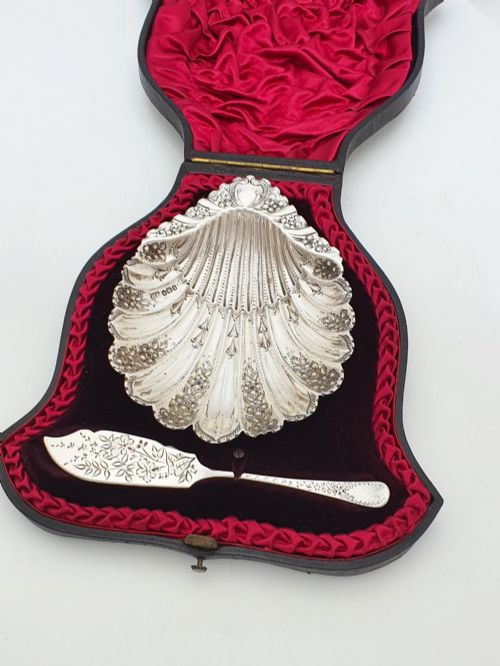
Complex pieces like claret jugs and butter dishes often combine sterling silver mounts with blown glass inserts, leatherette cases, or gemstone embellishments such as citrine and agate. Makers employed precise soldering and assembly methods to unite these disparate materials into durable tableware.
Silver Engraved Tableware Retail Price Guide 2026
Typical asking prices for silver engraved tableware among the pieces listed under this phrase on Sellingantiques today, from the lower quarter to the upper quarter. They describe what is for sale here now, not the wider market.
Several Victorian napkin rings are ingeniously modelled to resemble tiny fabric belt buckles complete with metal tongues.
What varies in quality
The distinction between ordinary and superior pieces rests on the crispness of the hand-engraving and the weight of the metal utilised in construction. Heavier gauges of silver resist distortion better and retain sharper details in crests, coats of arms, and decorative borders.
Quality also shows in the integration of secondary elements, such as the snug fit of a glass liner inside a pierced silver mustard pot or the structural integrity of hinged lids on biscuit boxes and tureens.
George Burrows·John Lambe·Milne and Campbell·Nathan and Hayes·Mappin and Webb·Charles and George Fox·William Bennett
The Silver Engraved Tableware Glossary
- Sterling silver
- An alloy containing 92.5 percent pure silver and 7.5 percent other metals, usually copper, chosen for durability in tableware.
- Old Sheffield plate
- An early form of plate created by fusing a sheet of silver to a thicker copper base, visible where the silver layer wears thin.
- Hallmark
- A series of official marks stamped on precious metals indicating the maker, assay office, and year of testing.
- Hollowware
- Tableware items with volume, such as cream jugs, tureens, and sugar casters, as opposed to flatware like spoons.
- Crest
- A specific heraldic design engraved onto silver tableware to denote the family or noble house to which the pieces belonged.
Silver Engraved Tableware: Frequently Asked Questions
How do I clean antique silver tableware?
Clean silver gently using a specialised silver cloth or mild soapy water, avoiding harsh abrasive dips that can strip historical patina and soften fine engravings.
Dry the pieces thoroughly with a soft cloth after washing to prevent water spots and tarnishing on sterling silver or silver plate surfaces.
Were these pieces used daily?
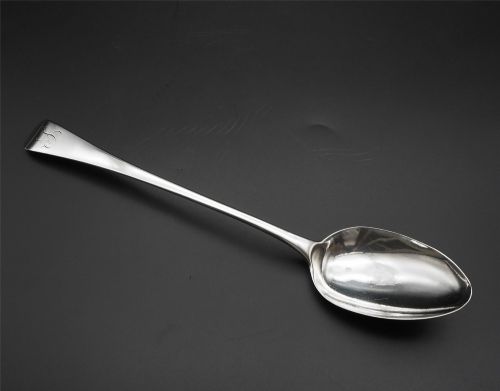
Many items like napkin rings and serving spoons saw regular daily use in prosperous households, evidenced by minor handling wear accumulated over generations.
Other forms, such as locking biscuit boxes and elaborate tureens, were reserved for formal dining occasions and special gatherings.
How can I date my silver item?
Dating relies heavily upon the assay office stamps and date letters struck into the metal as part of the official British hallmark system.
Stylistic indicators such as Victorian piercing patterns or Georgian crest styles also help narrow down the period of manufacture.
Can I use antique silver for dining?
Solid sterling silver and silver-plated tableware remain fully functional for serving food and drinks at the modern dining table.
Acidic foods should not be left sitting on silver surfaces for extended periods to protect the antique metal from pitting.