


Silver Enamel Watch Case
These silver enamel watch case pieces protect delicate horology while displaying exquisite miniature art across several centuries.
Silver Enamel Watch Case
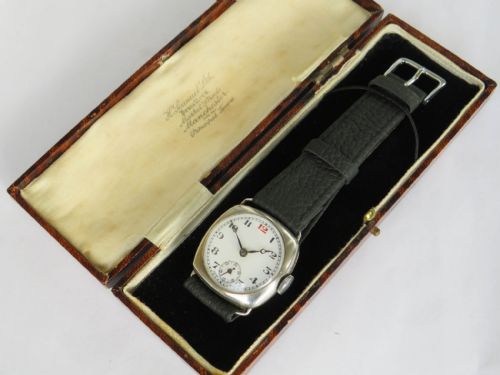
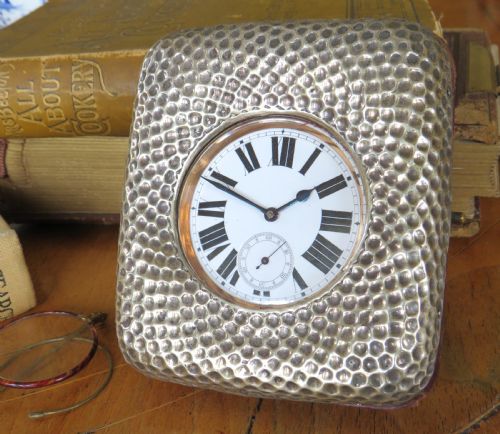
A silver enamel watch case protects a portable timepiece while offering a surface for colourful vitreous decoration. These items range from simple pocket watch housings to travel clocks and specialised fob watch holders.
The selections span from the Georgian and Victorian eras through the Edwardian period and into Art Deco designs. Buyers encounter everything from British pair cased pocket watches to specialised Ottoman market pieces.
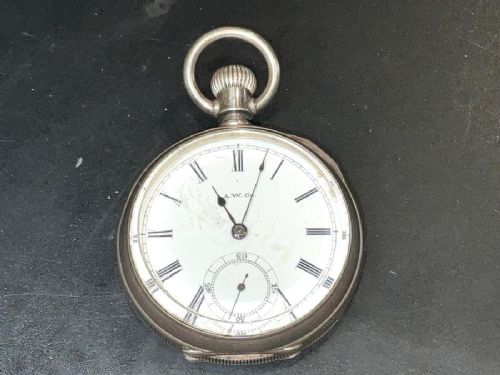
Most examples combine solid silver construction with hand-painted or guilloche enamel panels. Some house complete timepieces like Waltham pocket watches or Swiss movements, whilst others survive as standalone cases.
Materials and construction methods
Silversmiths formed the primary housing using sterling or continental silver, often incorporating brass and steel interior components. Glass crystals protected the dial faces whilst leather sometimes lined travel iterations.
Enamelling required fusing powdered glass to metal surfaces under high heat. Artisans applied translucent or opaque pigments to create miniature paintings, geometric patterns, or military insignia.
Some nineteenth-century pocket watch dials secretly hid painted sailing ships that seemed to ride the waves every time the owner checked the hour.
Understanding quality differences
Quality rests upon the crispness of the silver hallmarks and the delicacy of the enamel work. Finer examples display meticulous hand-painted detail without cracking or restoration in the glass-like surface.
The complexity of the movement housed within and the prestige of the maker elevate a piece. Early pair cased examples demand higher regard for their intricate double-shell construction.
J Wilders London·Waltham
The Silver Enamel Watch Case Glossary
- Full Hunter
- A pocket watch featuring a spring-loaded metal cover that protects the glass dial. This solid outer lid provides an ideal canvas for enamel decoration and engraving.
- Pair Cased
- An older watch design utilising two separate fitted metal cases for extra protection against dust and damage. The inner case holds the movement whilst the outer case slips over it.
- Guilloche
- A decorative technique where a precise, intricate pattern is mechanically engraved into the metal beneath translucent enamel. This allows light to reflect through the coloured glass layer.
- Hermetic
- A windproof and dustproof watch design intended for travel use. These sturdy housings protect the delicate mechanical movement during transit.
Silver Enamel Watch Case: Frequently Asked Questions
How do I date a silver enamel watch case?
Dating relies heavily on British hallmarks, maker marks, and stylistic clues from periods like Art Deco or Victorian design. Examining the hinge construction and the type of movement also helps narrow down the decade of manufacture.
Changes in enamel colours and mounting techniques further assist in placing the item within its historical context, from eighteenth-century pair cases to early twentieth-century travel clocks.
Can these cases be used with modern watches?
Most antique silver enamel watch case items are built to house specific vintage movements, pocket watches, or travel clock inserts. Adapting them for modern wristwatches is rarely practical without altering the historical integrity of the piece.
Collectors prefer to keep original movements paired with their matching housings to preserve the heritage and mechanical harmony of the item.
How should I clean antique silver and enamel?
Cleaning requires extreme caution because vintage enamel is brittle and easily scratched by abrasive silver polishes. Use a soft, dry microfiber cloth to gently remove dust from the silver surfaces.
Keep moisture away from the enamel and glass elements to prevent water seeping into the interior mechanisms or lifting fragile painted details.
What caused the popularity of Ottoman market watches?
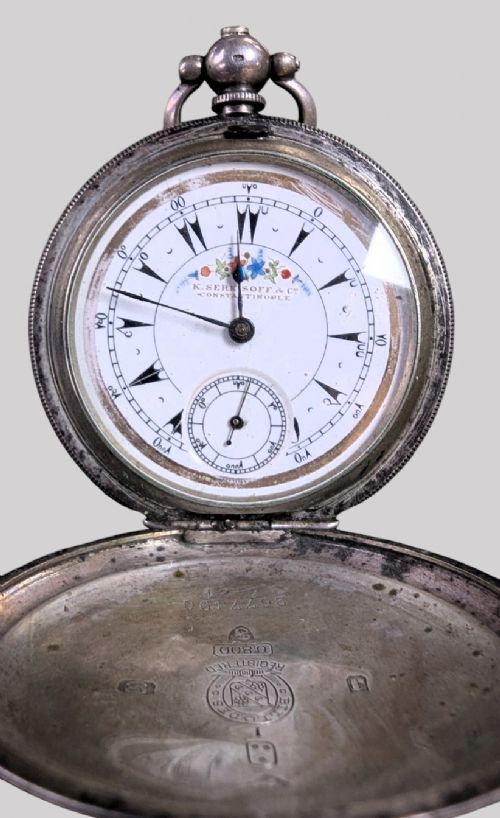
Ottoman market timepieces were specifically commissioned by Swiss and British makers for export to the Ottoman Empire. These pieces often featured distinct Turkish numerals and regional military insignia.
Their ornate silver and enamel decoration appealed directly to the tastes of high-ranking officials and affluent buyers in the region during the nineteenth century.