
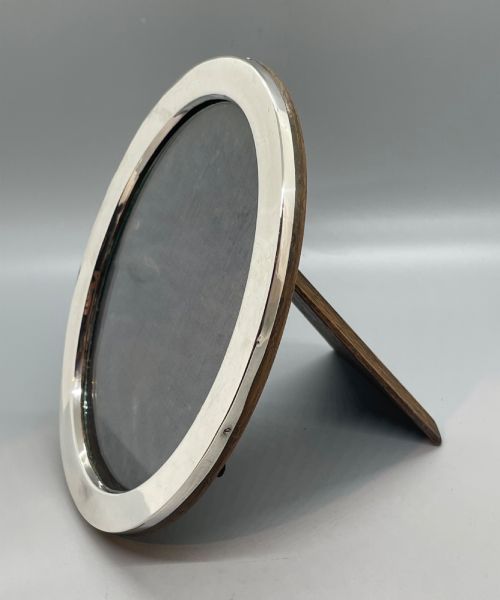
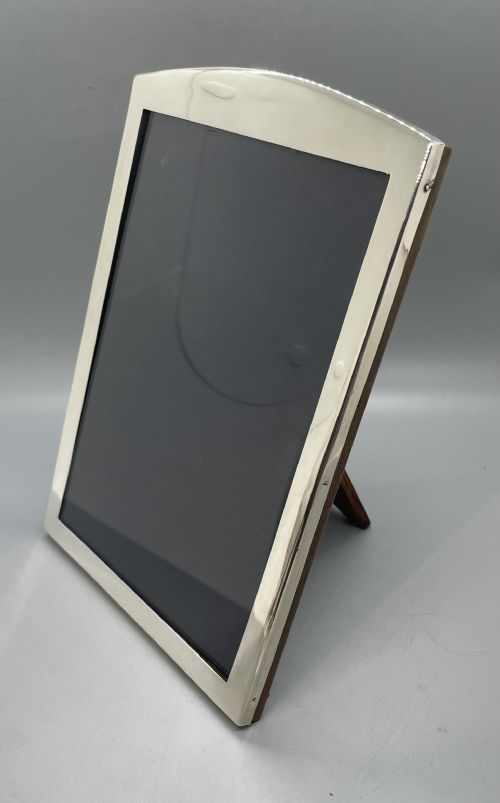
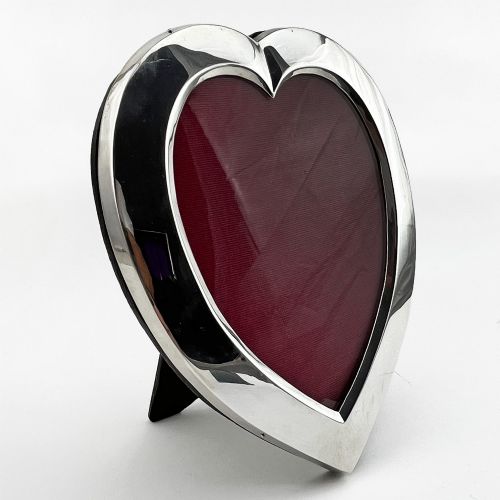
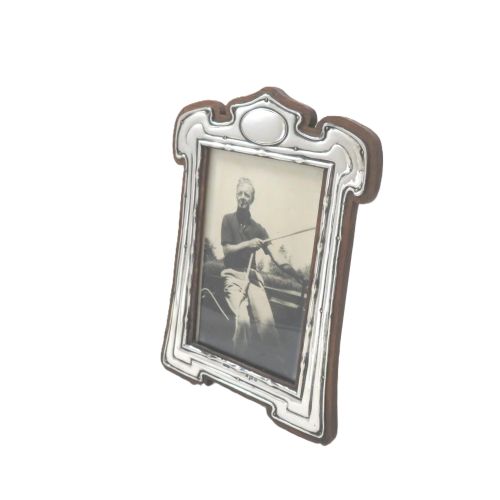





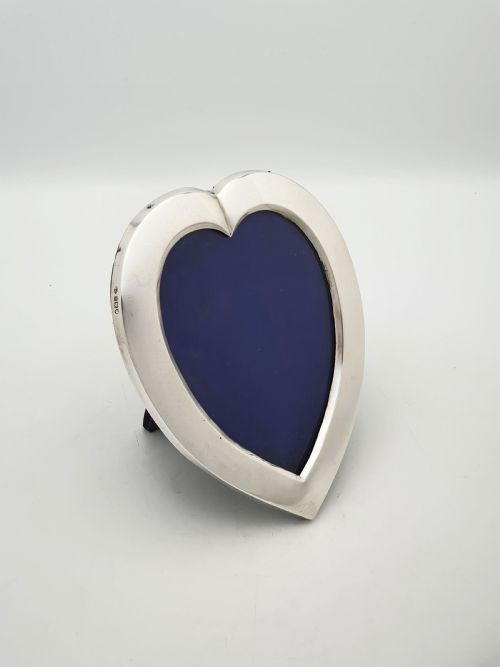

Silver Easel Back Frame
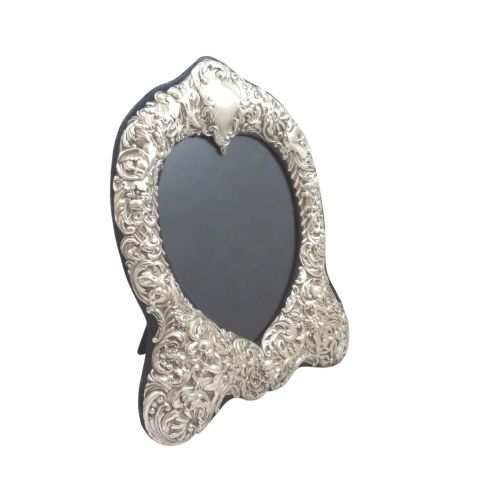
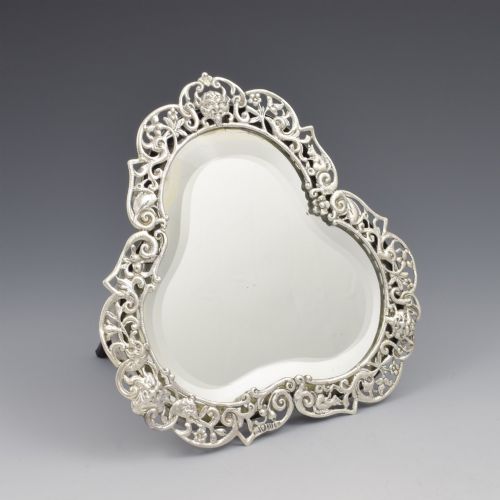
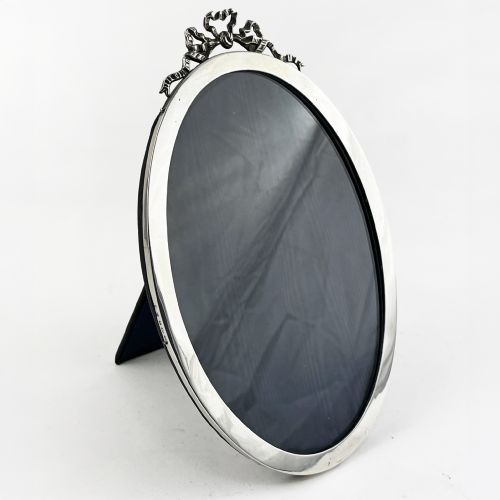
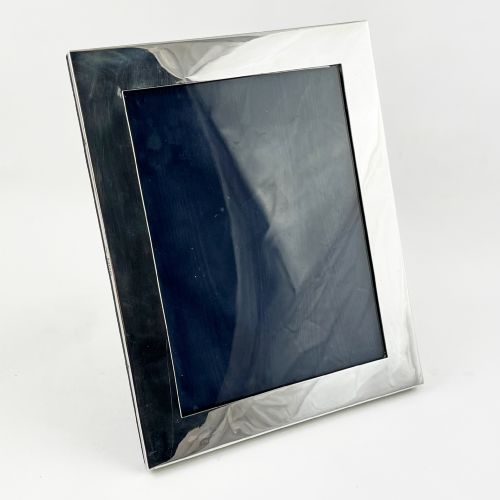
A silver easel back frame displays a cherished photograph or mirror while standing unsupported on a table.
Silver Easel Back Frame
A silver easel back frame is a tabletop accessory designed to display photographs, pictures, or small mirrors upright. These pieces serve both a decorative and a functional purpose in domestic interiors, holding portraits or reflections on desks, dressing tables, and mantelpieces.
The versions most commonly met on this page date from the late Victorian and Edwardian periods, stretching into the George V era and mid-century Italian production. They appear in shapes ranging from simple rectangles and ovals to heart-shaped mounts and circular formats.
Makers fashioned these items in sterling silver, 800 silver, and silver plate, mounting the metal fronts onto supportive backs made of wood, oak, velvet, fabric, or leather. Many incorporate hinged metal stands that fold flat or lock into position to maintain the upright angle.
How they were made
Silversmiths constructed the outer presentation faces using sheet sterling silver, 800 silver, or plated metal, often shaping them through pressing, stamping, or hand-beating. Artisans applied ornamentation such as embossing, piercing, engraving, and enamel work to create decorative borders featuring animals, birds, cherubs, and abstract motifs.
The front metal shell required a rigid secondary material to hold the glass and support the weight when tilted. Makers fitted wooden panels, oak boards, or thick cardboard covered in velvet, black leather, or fabric behind the silver, securing the internal contents with turn-buttons or sliding pins.
The supporting easel mechanism typically consisted of a hinged metal arm or a covered wooden strut attached directly to the rear backing board. This allowed the frame to tilt stably on flat surfaces without tipping forward or backward.
Silver Easel Back Frame Retail Price Guide 2026
Typical asking prices for silver easel back frame among the pieces listed under this phrase on Sellingantiques today, from the lower quarter to the upper quarter. They describe what is for sale here now, not the wider market.
Listings feature sterling silver, 800 silver, wood, velvet, and leather across Victorian, Edwardian, and mid-century periods.
What varies in quality
The distinction between standard commercial output and superior craftsmanship lies in the gauge of the metal and the depth of the ornamentation. Heavier gauge sterling silver maintains its structural integrity without buckling under pressure, whereas thinner metal distorts easily during cleaning or handling.
The treatment of the reverse side indicates the overall standard of construction. Pieces finished with heavy oak boards, fitted leather, or silk velvet demonstrate greater care than those utilising plain cardboard or cheap fabric linings.
Hand-chased detailing, crisp piercing, and well-executed hallmarks from recognised assay offices distinguish exceptional pieces from mass-produced items with shallow, machine-pressed patterns.
William Comyns·Henry Matthews·Walker and Hall·Pinci Roma·WMF
The Silver Easel Back Frame Glossary
- Sterling silver
- An alloy of silver containing 92.5 percent by mass of silver and 7.5 percent by mass of other metals, usually copper. This standard metal forms the primary body of most antique picture frames.
- Easel back
- A hinged support strut attached to the reverse of a frame that allows it to stand upright on a horizontal surface. It folds flat against the backing when not in use.
- Assay office
- A body that tests the purity of precious metals and stamps items with official hallmarks. Birmingham and Chester offices frequently appear on these pieces.
- Pierced work
- Metalwork decorated by cutting or piercing decorative patterns through the silver sheet. This technique creates openwork designs such as foliage, scrolls, and animal figures.
- Art Nouveau
- An international style of art, architecture, and applied art popular around 1900. It is characterised by organic, asymmetrical lines and motifs inspired by natural forms.
Silver Easel Back Frame: Frequently Asked Questions
How do I clean a silver easel back frame?
Dust the silver gently with a soft cloth to remove surface particles before applying a mild, non-abrasive silver polish. Avoid getting cleaning substances onto the velvet, leather, or wooden backing materials.
Work around the glass and decorative borders with care, using a cotton bud to clear polish residue from engraved or pierced recesses. Buff the metal gently with a clean microfiber cloth to restore the shine.
Can I replace the glass safely?
Most antique frames use small metal tabs or pins to secure the backing board, glass, and photograph together. Bend these tabs gently outward to release the internal sandwich of materials.
Cut replacement glass to match the exact interior dimensions of the silver aperture before reassembling. Ensure the backing fits snugly against the new glass before securing the tabs.
Why do some frames have wooden backs?
Oak and other wooden backing boards provide the rigid structural support necessary to keep heavy metal frames stable. Wood prevents the thin silver front from warping during handling and movement.
Makers often covered these wooden boards in leather, velvet, or fabric to present a neat appearance from behind. This combination of materials added weight and balance to the tabletop display.
How do I date an unmarked frame?
Examine the style of decoration, such as the flowing organic lines typical of Art Nouveau pieces made around 1900. The choice of backing material and fastening hardware also offers clues to the decade of manufacture.
Compare the overall weight and mounting style with hallmarked examples from the same period. Subtle indicators like hinge design help place the piece within the Victorian or Edwardian eras.