

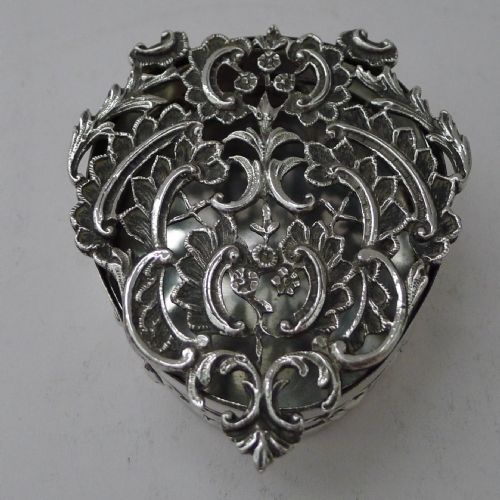


Silver Dressing Table Dish
A silver dressing table dish or associated box gathers pins, rings and trinkets, bringing bright metal and glass to a dressing table.
Silver Dressing Table Dish
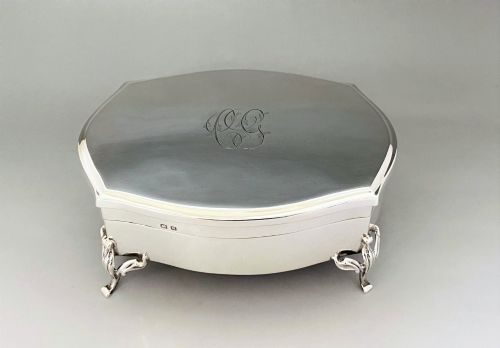
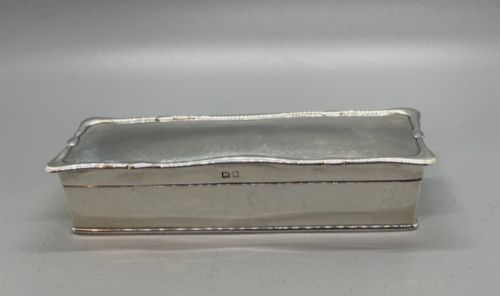
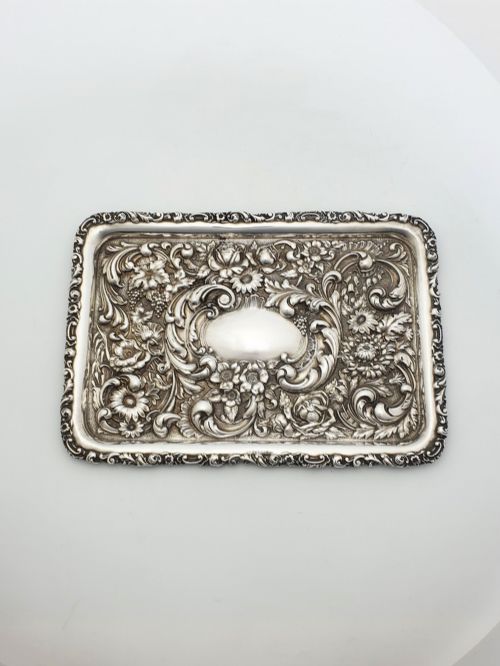
When buyers search for a silver dressing table dish, they find an array of small receptacles designed for the boudoir, spanning the Victorian, Edwardian and Art Deco periods. The selection on this page runs from flat trays and ring trees to lidded boxes and glass jars with silver mounts.
Most examples date from the late nineteenth century through to the 1930s, reflecting the high point of fitted dressing table sets. Forms include heart-shaped trinket boxes, heavy cut glass jars, and repoussé trays meant to hold daily adornments.
How they were made
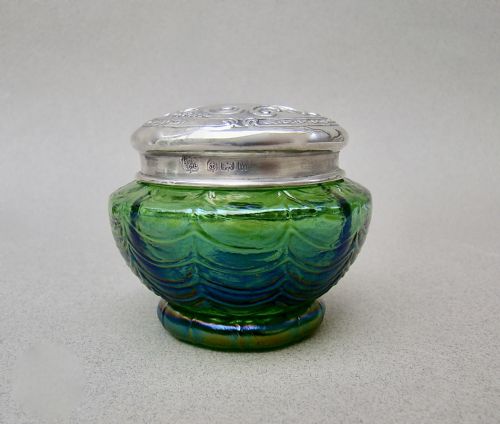
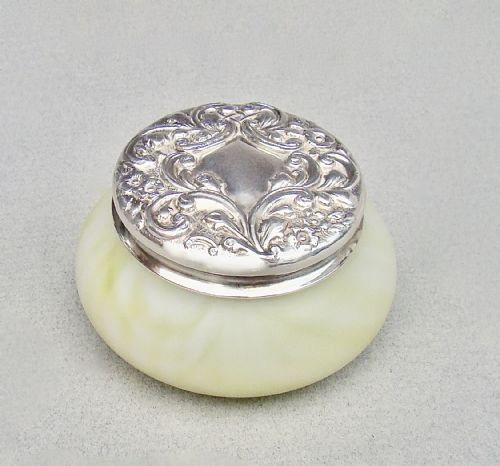
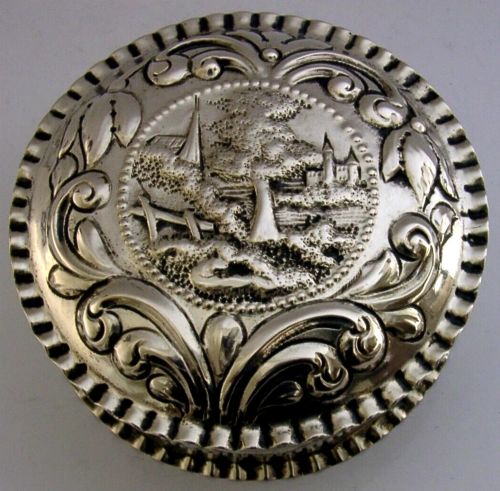
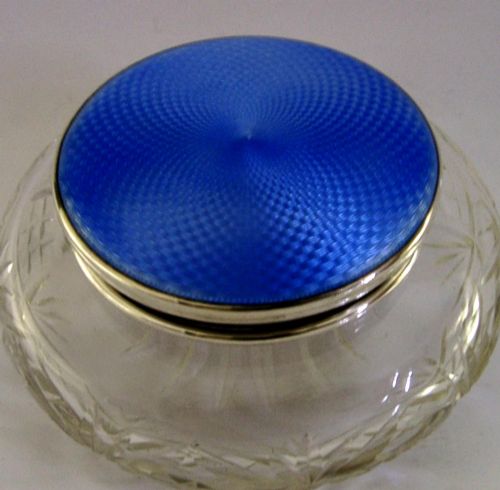
The metal components rely on sterling silver or solid silver, frequently shaped through repoussé work to create raised floral and figural motifs. Silversmiths combined these silver mounts with heavy cut glass, crystal, satin glass and Kralik glass bodies.
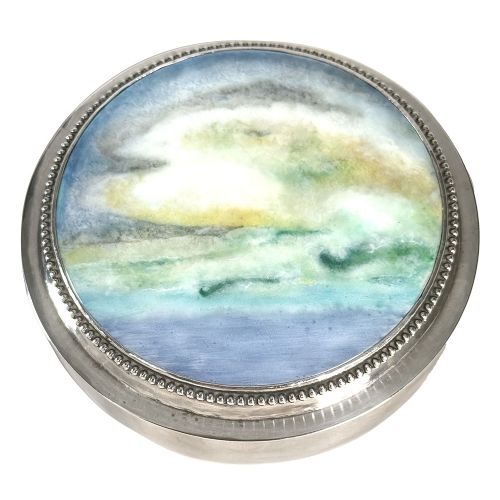
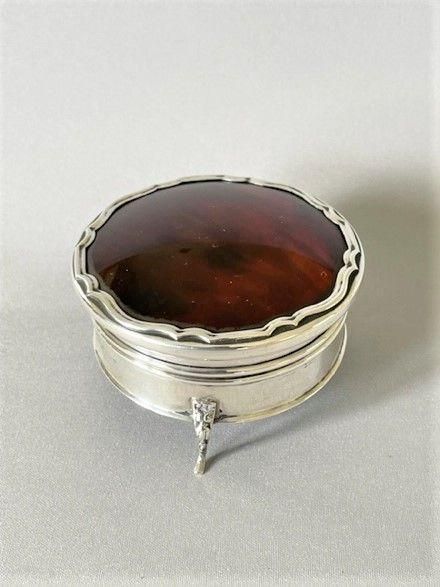
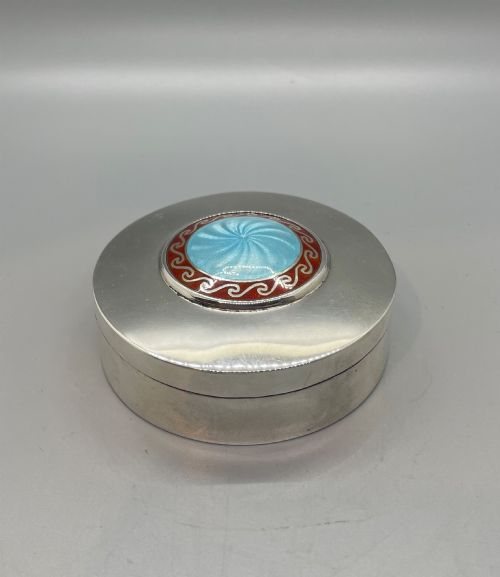
Surface decoration often incorporates vitreous enamel, guilloche enamel, and inset panels of tortoiseshell. Hallmarks stamped into the silver reveal assay offices in cities such as Birmingham, London and Chester alongside maker marks.
Listings feature items from the 19th Century through to the Art Deco period, incorporating materials like tortoiseshell, enamel, cut glass and solid silver.
What varies in quality
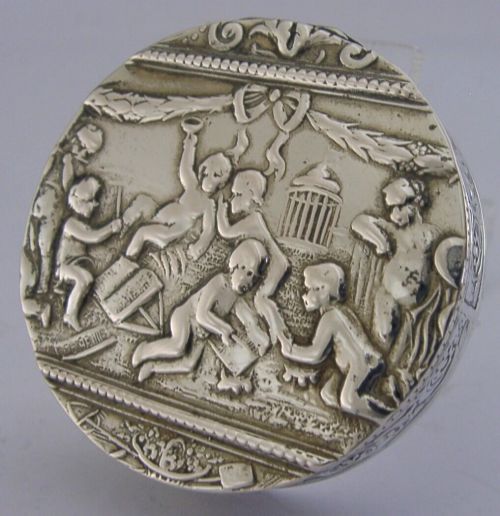
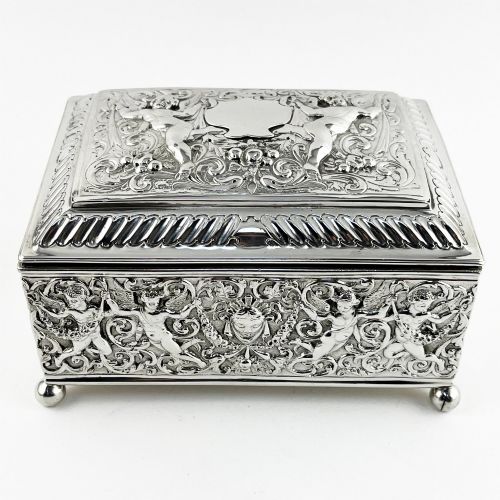
Quality rests upon the crispness of the silversmith's hand, particularly in repoussé scenes like cherubs or floral scrolls where deep relief denotes superior work. The weight of the silver and the clarity of the cut glass body also dictate the standing of a piece.
Enamel panels require careful inspection for intact glazing free from chips, while tortoiseshell lids depend on rich natural patterning and secure hinges that close flush against the silver mount.
A. J. Pepper & Co·A. Bromet & Co·William Comyns·Posen of Frankfurt·William Neale & Sons·Henry Williamson Ltd
The Silver Dressing Table Dish Glossary
- Repoussé
- A metalworking technique where the silver is hammered from the reverse side to form a raised design on the front. This method creates tactile floral or figural scenes across the lids and rims of boxes.
- Guilloche
- An intricate mechanical engraving technique that etches a precise, repeating geometric pattern into metal. Translucent enamel is often layered over this engraving to produce a shimmering depth of colour.
- Tricot box
- A small lidded receptacle intended for the storage of pins, small jewels and hair ornaments. They frequently feature velvet or satin linings inside.
- Ring tree
- A small upright stem mounted on a base, designed to hold rings while the user washes or dresses. The central post rises from a weighted silver or glass tray.
Silver Dressing Table Dish: Frequently Asked Questions
What were silver dressing table dishes used for?
These vessels held hairpins, rings, brooches and small cosmetics on a Victorian or Edwardian dressing table. They kept loose items contained while adding a decorative focal point to the room.
Heavier glass jars with silver lids typically held heavier creams, tooth powder or soaps. Shallower trays accommodated the daily items a person removed before sleep.
How do I date a silver dressing table box?
Assay office marks, date letters and maker's marks stamped directly into the silver provide the exact year of manufacture. British pieces carry lion passant marks alongside anchor, leopard head or crown symbols for the assay town.
Stylistic cues also help narrow the period, such as flowing Art Nouveau floral lines or the geometric symmetry of later Art Deco designs. Comparing the weight and glass-cutting style assists when hallmarks are rubbed.
Are enamel panels delicate?
Guilloche and porcelain enamel surfaces require gentle handling to prevent scratching or chipping against harder materials. The glass-like coating is fused to the underlying silver during manufacture.
Keeping them away from direct impacts and storing them out of harsh sunlight preserves the vibrant pink, blue or white tones of the enamel over time.
How do I clean tarnished silver mounts?
A soft microfibre cloth and a mild, non-abrasive silver polish remove tarnish without harming raised repoussé details or surrounding glass. Care must be taken near enamel, tortoiseshell or fabric linings to avoid chemical damage.
Applying polish gently with linear motions prevents residue from building up in the recessed crevices of chased or embossed patterns.