




Silver Display Charger
These silver display charger pieces bring scale and presence to a room, offering broad metallic surfaces that catch the light.
Silver Display Charger
A silver display charger is a large decorative plate or dish intended for display on a sideboard, table, or wall rather than for everyday dining service. These pieces frequently appear in substantial diameters, functioning as focal points within a room through their reflective surfaces.
The selection ranges across several centuries, encompassing items from the seventeenth, eighteenth, and nineteenth centuries. Alongside solid silver and silver gilt, many examples employ materials such as pewter, silver plate, and silvered metal to achieve their finished appearance.
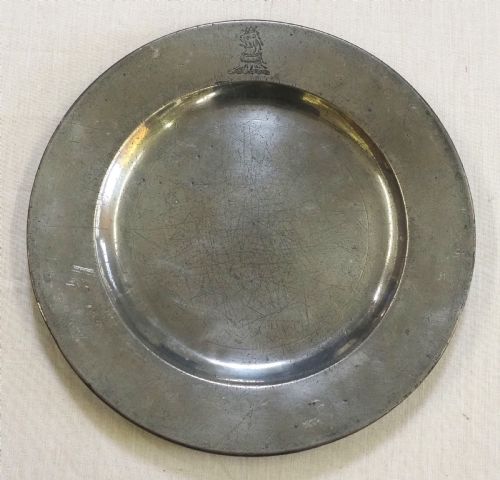
Stylistic influences span Georgian, Victorian, Renaissance Revival, and Louis XVI designs, alongside commemorative issues. Forms include plain rim plates, wavy edge plates, and heavy chargers adorned with repoussé work or figural battle scenes.
Materials and Construction
Metalworking techniques heavily shape these objects, with pewter and bronze forming substantial structural bases for hammering, casting, and plating. Artisans utilised silver plating and silver gilt techniques to impart a precious metal sheen over base metals.
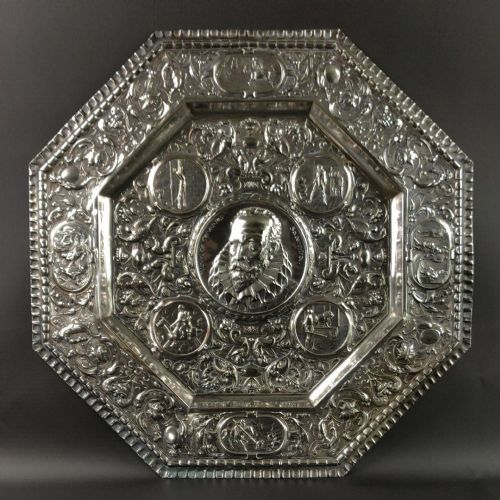
Surface decoration frequently involves repoussé work, where designs are hammered or pushed from the reverse side to create raised figural scenes, floral motifs, or commemorative portraits. Additional methods include hammering all over the surface to build texture and character.
Silver Display Charger Retail Price Guide 2026
Typical asking prices for silver display charger among the pieces listed under this phrase on Sellingantiques today, from the lower quarter to the upper quarter. They describe what is for sale here now, not the wider market.
Miguel De Cervantes finds immortality cast in heavy nineteenth-century metalwork, keeping watch from a grand repoussé charger.
Assessing Quality and Execution
The distinction between standard examples and finer pieces rests in the depth and crispness of the hand-worked detail, particularly in repoussé figural scenes and crests. Heavier weight and balanced proportions signal superior craftsmanship in larger plates and dishes.
The integrity of the surface finish, whether original silver gilt, heavy silver plating, or aged pewter, dictates visual appeal. Pieces exhibiting clear maker marks or touchmarks alongside deliberate hammer work demonstrate higher workshop standards.
James Spackman·Thomas Templeman of London·Thomas Powell·S Duncomb
The Silver Display Charger Glossary
- Charger
- A large ornamental plate or dish traditionally used for display. These items measure considerably larger than standard dining plates.
- Repoussé
- A metalworking technique where the artisan hammers or presses designs from the reverse side to create relief decoration on the front. This method brings dimension to figural scenes and floral motifs.
- Silver Gilt
- Silver that has been coated with a thin layer of gold. This process combines the lustre of silver with the warm tone of gold.
- Pewter
- A malleable metal alloy consisting primarily of tin, combined with copper and antimony. It serves as a traditional base for historical plates and chargers.
- Touchmark
- An identifying stamp or hallmark applied by a pewterer to their work. These marks indicate the maker and help establish origin.
Silver Display Charger: Frequently Asked Questions
How were silver display chargers used?
These large dishes served primarily as ornamental items on sideboards or walls rather than for serving food. Their substantial size allowed them to showcase fine craftsmanship and heraldic crests in prominent household spaces.
Over time, their role shifted toward decorative display, preserving intricate repoussé scenes and commemorative portraits for viewers to admire.
How do I care for a metal charger?
Maintenance depends entirely on the specific metal composition, whether silver, silver plate, or pewter. Gentle dusting and minimal handling help preserve the original surface integrity and any applied finishes.
Harsh chemical polishes should be avoided, particularly on antique pewter or gilt surfaces where the aged patina contributes to the historical character.
How can I tell different periods apart?
Stylistic cues such as Georgian plain rims, Victorian Renaissance Revival motifs, and Louis XVI commemorative details offer clear indicators of age. Examining the weight, manufacturing technique, and any maker marks helps narrow down the production era.
Earlier pieces often display hand-hammered surfaces and specific touchmarks, whereas later nineteenth-century items frequently utilise heavy silver plating and elaborate figural repoussé work.