

Silver Dish Tray
When you search for silver dish tray, you are looking at practical vessels forged in sterling and plate to organise small valuables and serve food.
Silver Dish Tray
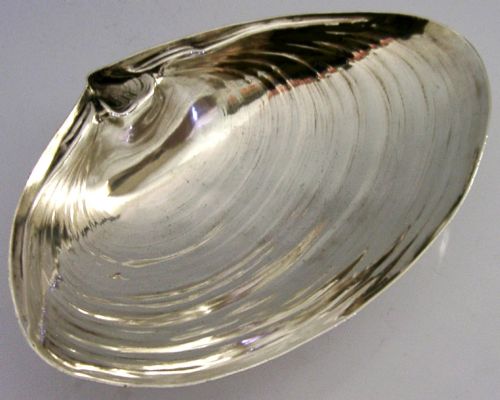
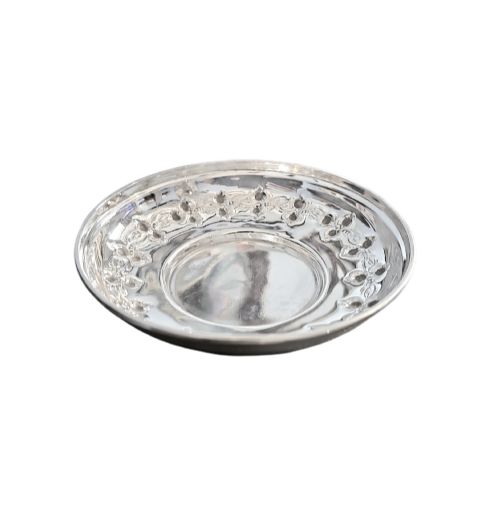
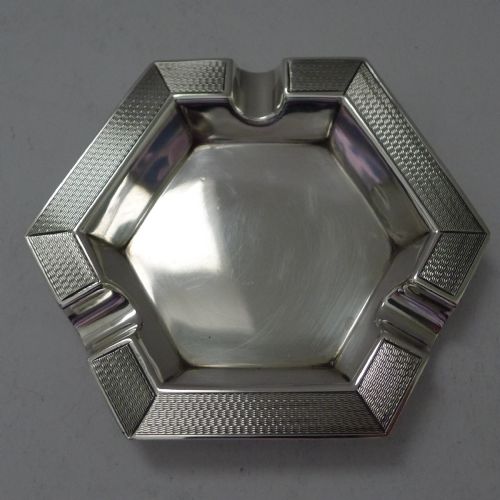
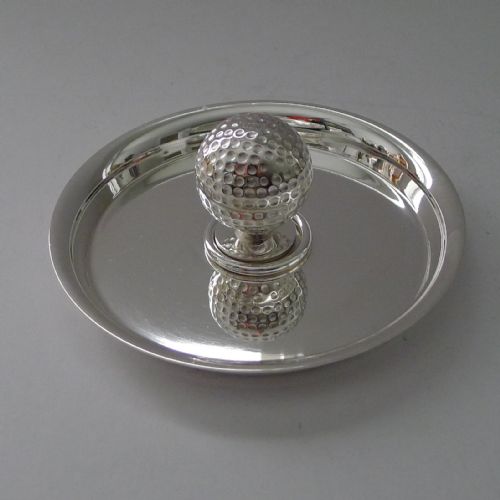
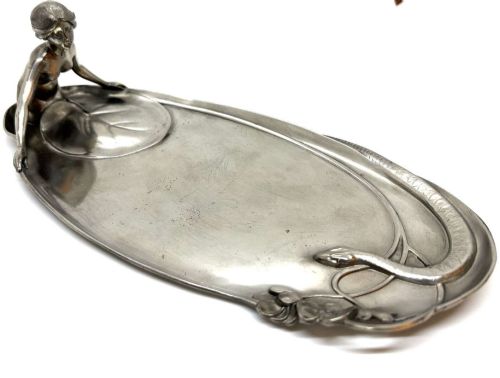
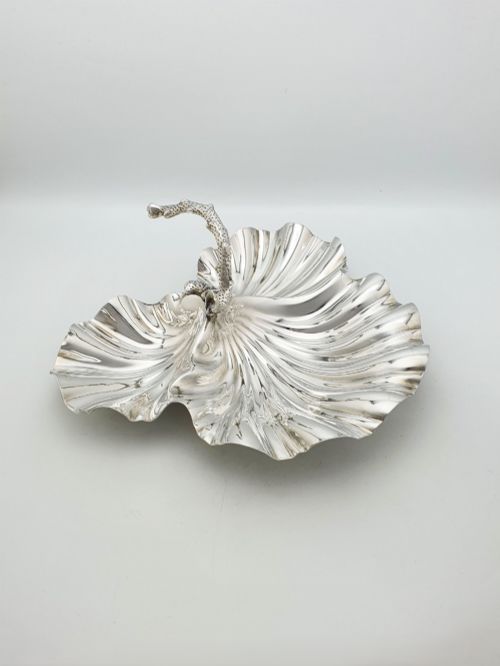
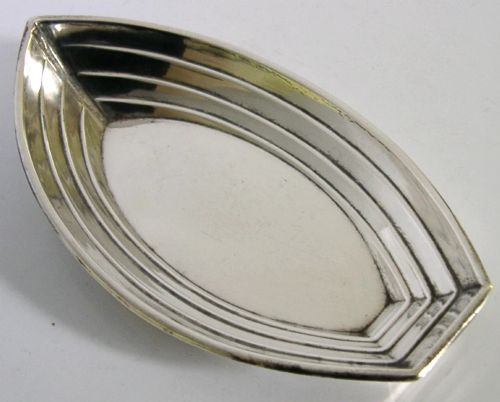
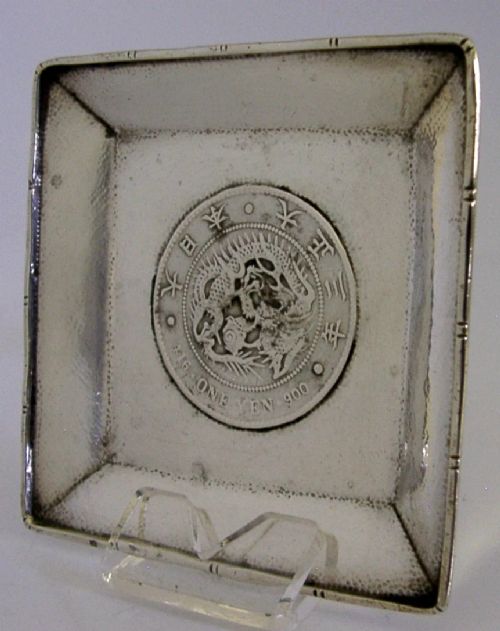
A silver dish tray serves multiple domestic purposes, appearing as trinket dishes, bonbon dishes, card trays, pin dishes, and ashtrays across various periods. Collectors encounter these forms in sterling silver, silver plate, and white metal, originating from English towns, continental Europe, and overseas workshops.
The selections span from the 18th century through the Victorian and Edwardian eras into mid-century modern design. Trays and dishes perform utilitarian roles on dressing tables, sideboards, and desks, holding calling cards, small foods, or daily accessories.
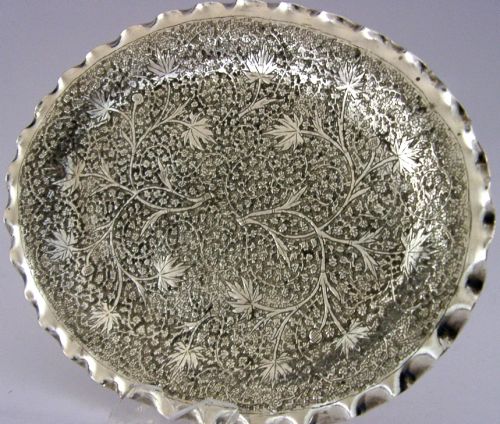
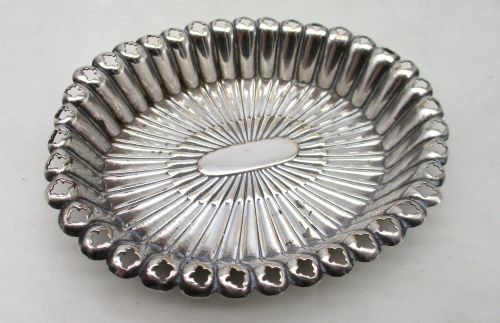
Makers ranging from provincial silversmiths to international luxury houses produced these items for domestic use and export. The results include parcel-gilt novelties, repoussé floral platters, and handled servers that reflect the aesthetic movements of their respective decades.
How they were made
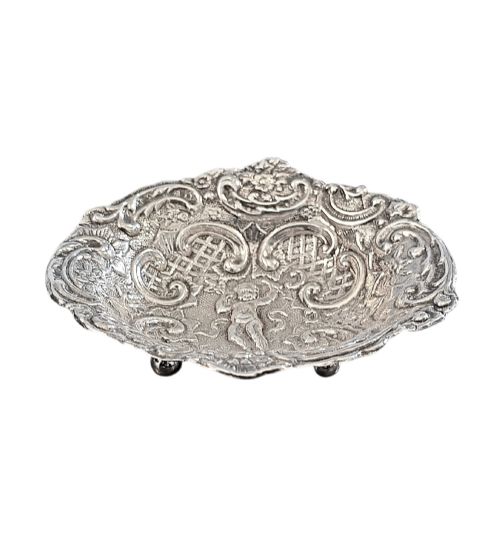
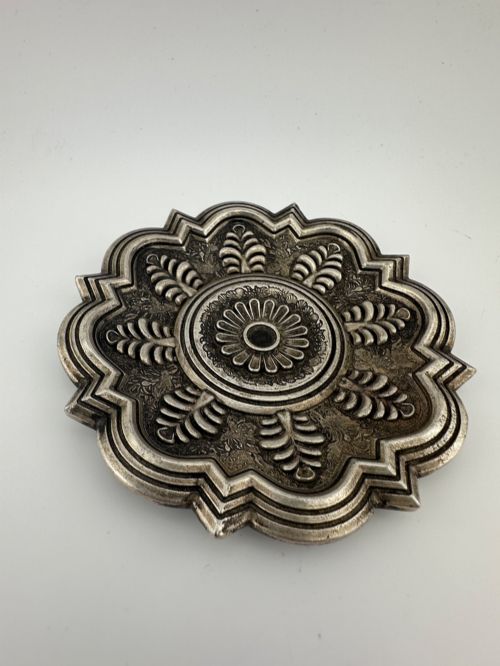
Silversmiths shaped sterling silver by hand-raising, spinning, or casting, applying repoussé and chasing to raise decorative motifs from the reverse and define them on the front. Cut glass liners and enamel work provided contrast against polished metal surfaces.
Silver plate and electroplated nickel silver utilised base metals like copper, Britannia metal, and brass as a core, bonded with a thin layer of silver through old Sheffield plating or electroplating processes. Anglo-Indian and Middle Eastern examples introduced contrasting metals, patinated copper, and intricate silver inlay.
Silver Dish Tray Retail Price Guide 2026
Typical asking prices for silver dish tray among the pieces listed under this phrase on Sellingantiques today, from the lower quarter to the upper quarter. They describe what is for sale here now, not the wider market.
Listings feature items spanning the 18th, 19th, and 20th centuries, utilising sterling silver, silver plate, copper, Britannia metal, and cut glass.
What varies in quality
Quality rests upon the weight of the metal and the crispness of the ornamentation, such as deep repoussé work versus shallow stamped patterns. Maker marks and full hallmarks indicate higher accountability and finer craftsmanship compared to unmarked or lower-grade silver plate.
The integrity of the construction distinguishes superior items, evident in solid handles, secure joints on pedestals, and intact silver layers over the base metal. Well-preserved original glass liners and restrained engraving elevate the standing of an individual dish or tray.
William Aitken·Emile Viner·Thomas Bradbury & Sons·Mappin & Webb·William Neale·Liberty & Co·Wallace·Robert Pringle & Sons·William Comyns·Walker & Hall·Creswick·John Hunt
The Silver Dish Tray Glossary
- Hallmark
- Official stamps struck into precious metals indicating the standard of purity, the assay office, and the date letter. These marks allow collectors to trace the exact year and maker of a piece.
- Repoussé
- A metalworking technique where the artisan hammers the metal from the reverse side to form a raised design in relief. Details are then refined from the front using chasing tools.
- Vide poche
- French for empty pocket, describing a small dish or tray placed in an entryway or hall to hold coins, keys, and pocket contents. They often take novelty shapes in silver and plate.
- Old Sheffield Plated
- An early method of fusing a thin sheet of silver to a thicker copper core by heating and rolling the metals together. This technique creates a distinctive edge where the underlying copper shows through wear.
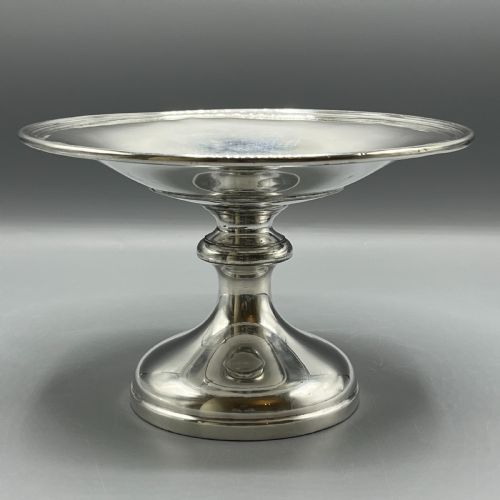
- Tazza
- An ornamental pedestal plate or dish raised on a single foot or stem. These pieces function for serving fruit or sweets on a table.
Silver Dish Tray: Frequently Asked Questions
What is the difference between a pin dish and a card tray?
Pin dishes are small, shallow vessels originally intended for dressing tables to hold pins and small trinkets. Card trays are slightly larger, flat platters designed for receiving calling cards in a hallway.
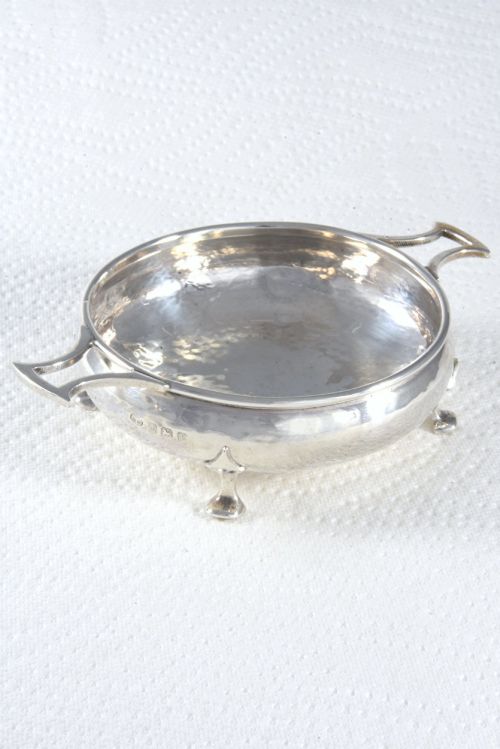
Card trays often feature a raised rim and sometimes a foot or handles to assist guests and servants in presenting visiting cards.
How do I clean antique silver dish trays?
Clean silver items using a mild, non-abrasive silver polish and a soft cloth to remove tarnish without scratching the metal surface. Avoid harsh chemical dips, which can strip the original patination and damage applied finishes.
For pieces with enamel, glass liners, or inlay, keep moisture away from the joints and delicate non-metal components during cleaning.
What does silver plate mean on these items?
Silver plate indicates that the item is manufactured from a base metal, such as copper, brass, or nickel silver, and coated with a thin layer of pure silver. This method provided an accessible way for households to own decorative tableware.
Early methods like Old Sheffield plating fused silver directly to copper, while later electroplating applied the silver coating using electrical current.
Can I use silver trays for serving food?
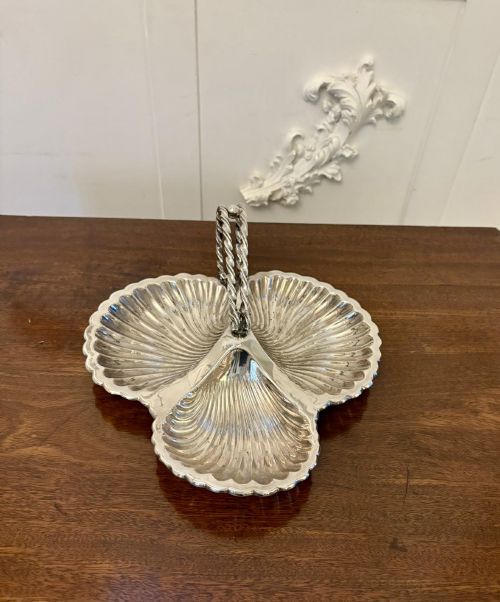
Solid sterling silver and silver-plated trays intended as serving dishes, bread baskets, or tazzas are suitable for presenting dry foods and fruit. Care should be taken with acidic foods that can react with older metal surfaces.
Trinket dishes and ashtrays are generally intended for decorative use or holding small items rather than culinary service.