


Silver Diamond Pin
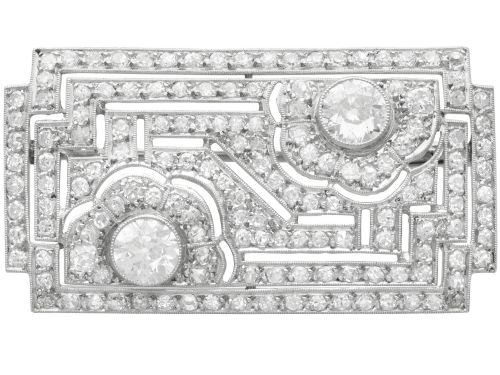
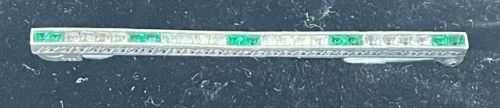
A silver diamond pin delivers centuries of wearable sparkle, spanning delicate Edwardian motifs and geometric Art Deco bar brooches.
Silver Diamond Pin
Buyers browsing this selection encounter pieces originating from the Georgian era through to the mid-century period. Edwardian designs and Art Deco creations appear frequently, often combining silver-topped gold settings to showcase old cut diamonds alongside rubies, emeralds, sapphires, and pearls.
Materials and technique
Makers constructed these pins using silver frontages soldered to gold or platinum backings, a technique designed to maximise the white brilliance of diamonds while maintaining structural strength. Artisans employed silver for its dark patina and light-reflecting properties, setting stones closely within closed or open-backed mounts.
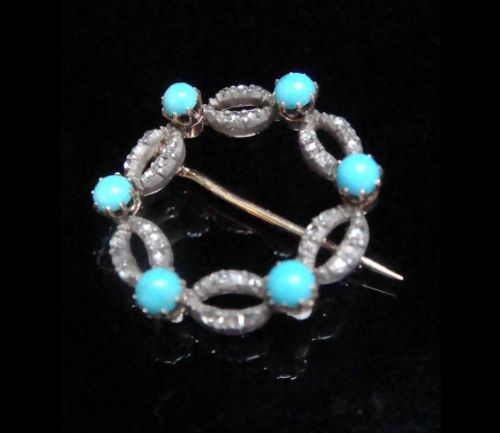
Goldsmiths incorporated various carat weights of yellow gold alongside platinum, applying meticulous hand-cut methods including rose-cut and old European cut diamonds. Additional colour stemmed from natural gemstones such as rubies, emeralds, sapphires, and turquoise, secured alongside pearls in intricate floral, celestial, and animal motifs.
A cheeky monkey peers out from one Victorian creation, proving that antique jewellers possessed a wonderfully playful sense of humour.
Variations in quality
Quality rests upon the precision of the stone setting and the harmony of the overall design, where master jewellers aligned metalwork seamlessly with the contours of the gems. Superior examples display balanced proportions, delicate piercing, and secure claw or collet settings that hold substantial carat weights without overwhelming the piece.
The sophistication of the lapidary work dictates the distinction between standard production and exceptional execution, particularly in how old cut diamonds capture light. Finer pieces maintain originality in their pin stems, catches, and secondary gem embellishments like emeralds or rubies, showing minimal alteration over generations.
The Silver Diamond Pin Glossary
- Bar brooch
- A horizontal pin featuring a slender metal shaft, often decorated with central gemstone clusters or geometric motifs popular during the Art Deco period.
- Old European cut
- An early brilliant diamond cut characterised by a small table, a heavy crown, and a large culet, prevalent in Victorian and Edwardian jewellery.
- Rose-cut
- A historic diamond cut featuring a flat base and a domed crown covered in triangular facets, resembling an unopened rosebud.
- Silver-topped gold
- A manufacturing technique where silver is applied to the face of a gold jewel to prevent tarnishing against clothing while providing a bright white background for diamonds.
Silver Diamond Pin: Frequently Asked Questions
How do I wear an antique brooch today?
These pieces secure easily onto heavy fabrics such as wool coats, blazers, and thick knit scarves where the pin stem finds robust support. Many designs also incorporate hidden loops, allowing them to transform into pendants suspended from a chain.
Positioning the fastener slightly off-centre on a lapel or securing a collar creates a striking focal point. Ensure the safety catch functions properly before fastening to delicate silks or vintage textiles.
What is the difference between Victorian and Edwardian styles?
Victorian designs often embrace romantic, sentimental, or naturalistic subjects including starbursts, butterflies, and floral sprays rendered in heavy yellow gold alongside silver. These pieces frequently utilise deep collet settings and old cut diamonds to create warm, dramatic evening wear.
Edwardian jewellery shifts toward lighter, lace-like aesthetics dominated by platinum and silver-topped gold, favouring garlands, bows, and swallows. This later period prioritises airy openwork frameworks that maximise the brilliance of smaller clustered stones.
How should I clean my diamond brooch?
Maintenance requires gentle cleaning using warm water, mild washing-up liquid, and a soft-bristled brush to remove dust accumulated behind the stones. Avoid submerging antique pieces with closed-back settings or pearls in water, as moisture trapped inside can damage the foil or degrade organic materials.
Pat the metal dry carefully with a lint-free cloth rather than rubbing vigorously. Periodic inspection by a specialist ensures the prongs holding the diamonds and coloured gems remain secure.
Are these pins made of solid silver?
Many antique examples utilise a composite construction consisting of a silver face bonded to a gold or platinum backing rather than solid silver alone. This traditional method combines the bright, reflective properties needed for diamonds with the durability required for everyday wear.
Testing marks or precious metal tests often reveal higher carat gold components hidden behind the silver frontage. This dual-metal approach prevents the fastener from bending while keeping the front visually uniform.