






Silver Desktop Box
A silver desktop box brings order and quiet craft to a working surface, offering a solid resting place for stamps, ink, or tobacco.
Silver Desktop Box
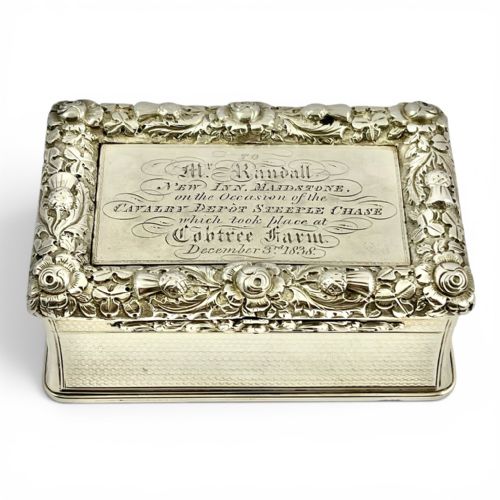
A silver desktop box gathers the small working tools of a desk, from postage stamps and twine to cigarettes and visiting cards, keeping the writing surface orderly. These pieces range from compact stamp boxes and pounce pots to larger table caskets and cigar compacts.
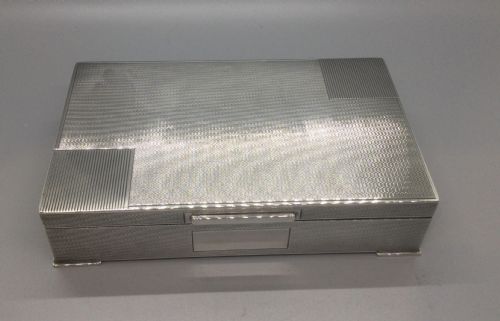
The most common examples met here reflect Victorian and Edwardian manufacturing, alongside the sharper geometric lines of Art Deco pieces from the 1930s. Makers also adapted earlier materials, mounting 18th-century satinwood in silver or combining metal with cut glass and leather.
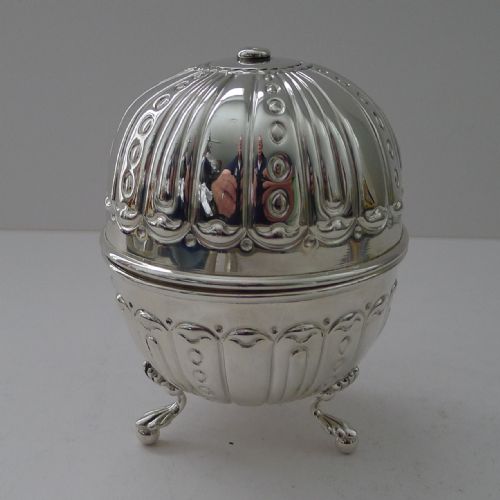
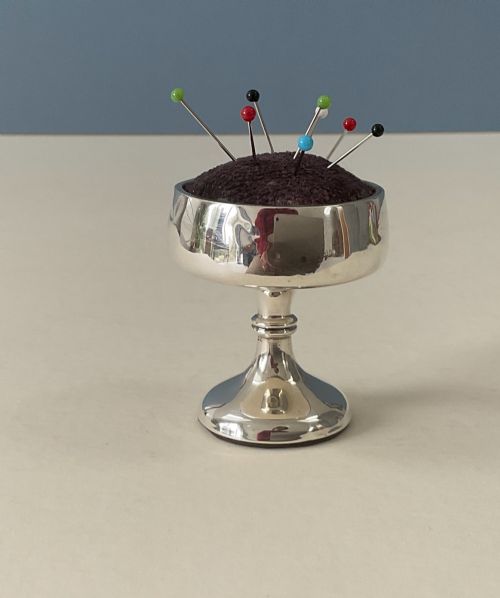
Specialised variants include double-trough stamp boxes, string dispensers with central cutting apertures, and novelty pin cushions shaped as goblets. Each form serves a specific desktop task, reflecting the domestic and business habits of its period.
Materials and construction methods
Silversmiths formed these boxes using sterling silver, silver plate, and silver gilt, frequently pairing the metal with contrasting natural textures. Glass inkwells, wooden carcasses in satinwood or walnut, and interiors lined with velvet or leather appear across the periods.
Techniques relied on traditional silversmithing methods such as stamping, casting, and repoussé work to shape hinges, lids, and decorative mounts. Structural integrity depended on careful internal framing, particularly where glass inserts or wooden divisions needed to sit flush within silver walls.
Listings feature boxes spanning from the 18th century through to the 1960s, incorporating wood, glass, leather, and metal.
Quality factors in desk silver
Quality rests on the weight of the metal and the precision of the construction, particularly how tightly lids meet their collars and how smoothly hinges operate. Finer boxes maintain their alignment over decades of opening and closing.
The integration of secondary materials defines the better examples, such as flawless cut glass, evenly matched shagreen, or securely set stones like lapis lazuli and onyx. Maker marks and clear hallmarks also separate standard commercial production from workshop pieces by recognised makers.
Mappin & Webb·Levi & Salaman·Goldsmiths of London·George Betjemann·Crevillen
The Silver Desktop Box Glossary
- Pounce pot
- A small shaker container used to sprinkle powdered sand or cuttlefish bone onto wet ink to accelerate drying. These precursors to blotting paper sit neatly alongside inkstands.
- Sterling silver
- An alloy of silver containing 92.5 percent pure silver and 7.5 percent other metals, usually copper, chosen for durability in functional items.
- Silver gilt
- Silver objects that have been coated with a thin layer of gold on the interior or exterior surfaces. This finish prevents tarnishing from acidic contents such as tobacco.
- Shagreen
- Untanned leather with a rough, granulated surface, historically prepared from shark or ray skin and utilised on Art Deco luxury goods.
- String box
- A container designed to house a ball of twine with a small central aperture in the lid for the cord to pull through.
Silver Desktop Box: Frequently Asked Questions
What were silver desktop boxes used for?
These boxes held the small consumables of a Victorian or Edwardian writing desk, including postage stamps, sealing wax, ink, and tobacco.
They kept loose items contained while adding a decorative element to the study or library.
How do I clean a silver desk box?
Maintenance requires a soft cloth and a gentle silver polish applied sparingly to avoid damaging velvet linings, leather inserts, or glass components.
Harsh dips should be avoided, particularly on pieces with silver gilt or mounted stones.
Are these boxes suitable for daily use?
Most solid silver and silver-plated boxes remain sturdy enough for contemporary desktop use, holding modern items like paper clips or business cards.
Care should be taken with delicate linings or historical glass inserts during regular handling.
How do I identify the date of a box?
British pieces generally carry hallmarks stamped directly into the metal, indicating the assay office, the standard of silver, and a date letter.
Stylistic cues, such as Edwardian proportions or Art Deco geometry, offer additional guidance when marks are worn.