

Silver Decorative Dishes
Silver decorative dishes bring distinct craftsmanship and utility to a room, offering an array of styles from Victorian ornamentation to mid-century modern lines.
Silver Decorative Dishes
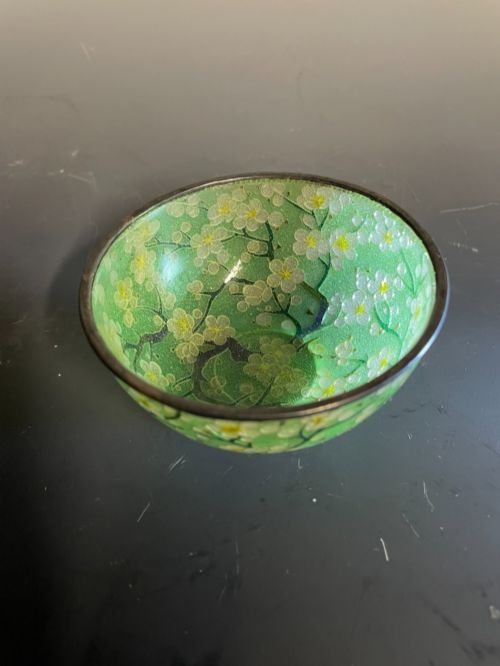
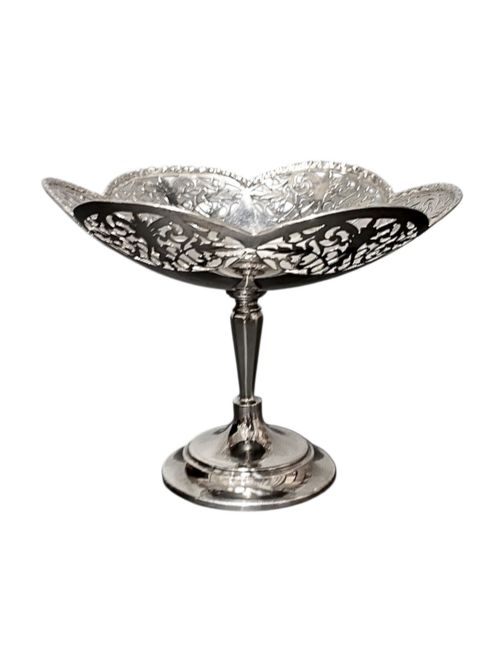
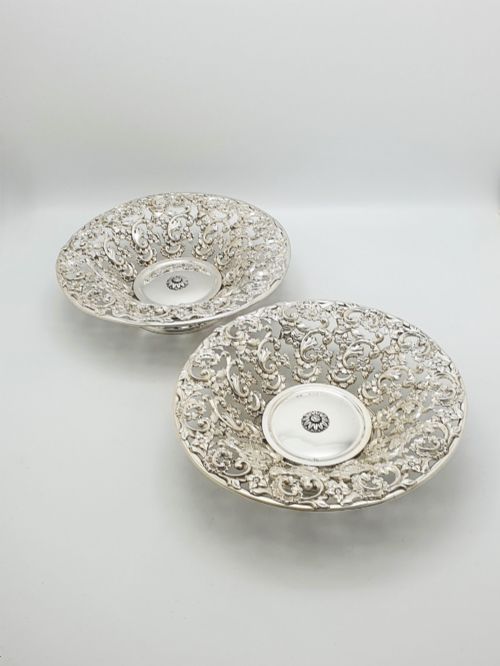
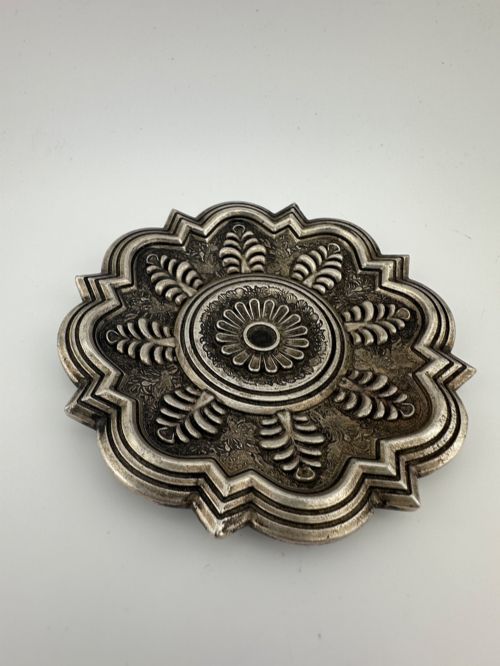
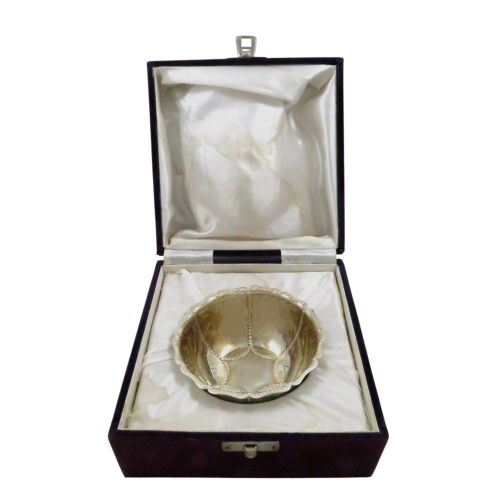
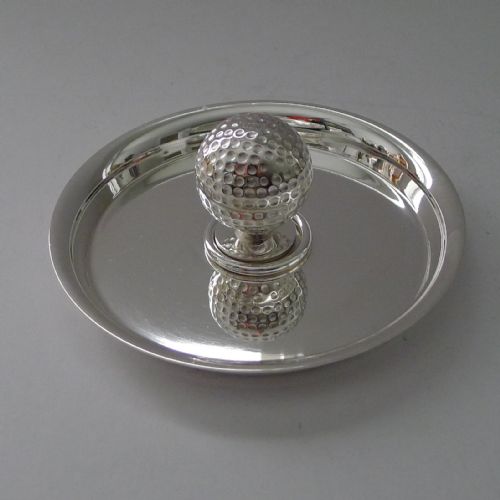
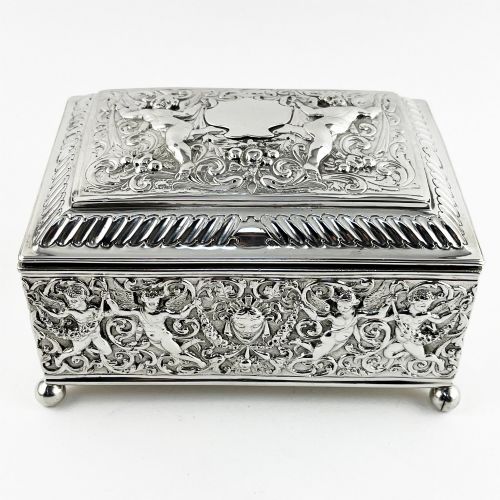
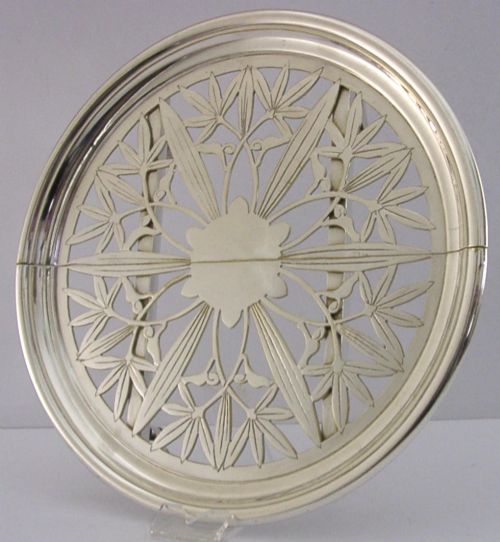
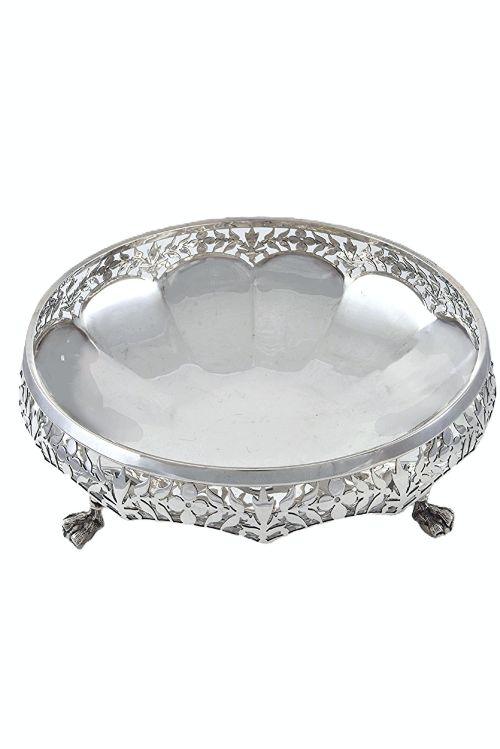
Silver decorative dishes encompass a broad range of forms, including trinket dishes, fruit baskets, tazzas, and table boxes designed for display or containment. When searching for silver decorative dishes, buyers encounter items intended for the dressing table, sideboard, or dining surface.
The selections span numerous periods, with Victorian, Edwardian, and early twentieth-century items appearing frequently alongside mid-century pieces. Makers from various global traditions, including Chinese export, Anglo-Indian, Middle Eastern, and European workshops, contribute distinct aesthetic approaches to the category.
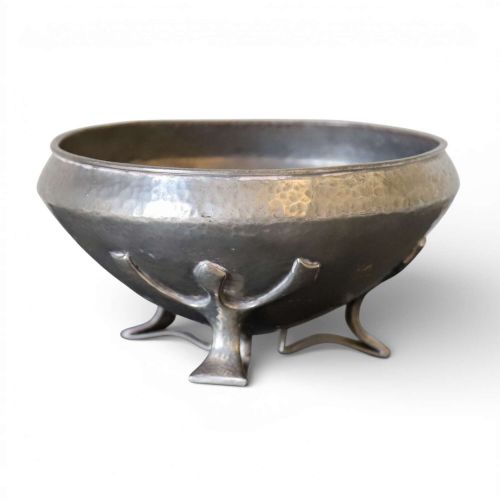
Forms vary from simple hammered pewter bowls and glass vessels with silver mounts to heavily embossed tazzas and figural centrepieces. Each piece reflects the functional and decorative demands of its period of origin.
Materials and construction methods
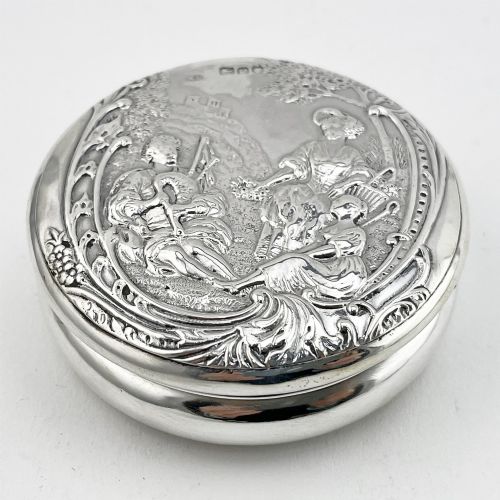
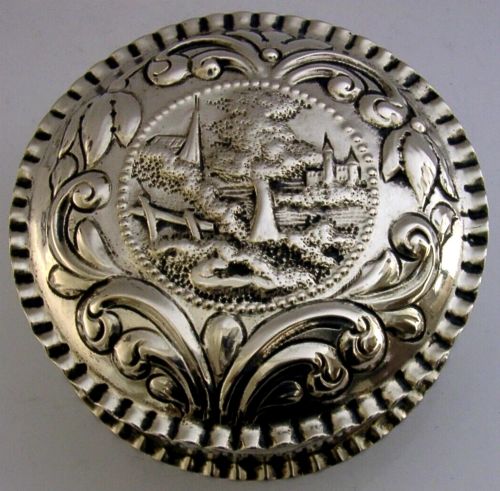
Construction methods rely heavily on the working of metals such as sterling silver, solid silver, silver plate, pewter, brass, and copper. Artisans employed techniques like repoussé, chasing, casting, and metal inlay to create textured and patterned surfaces.
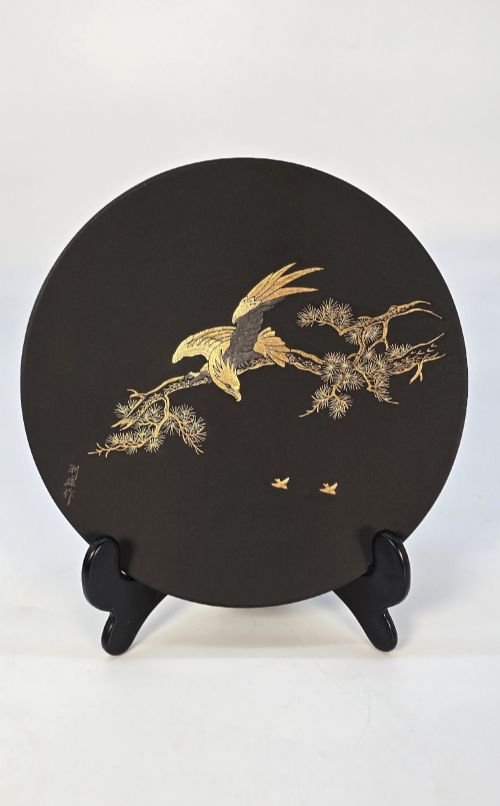
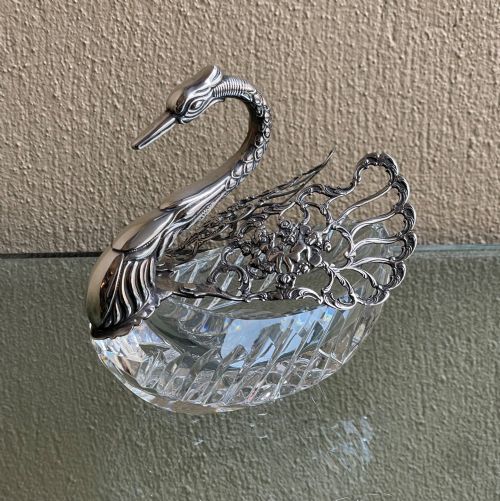
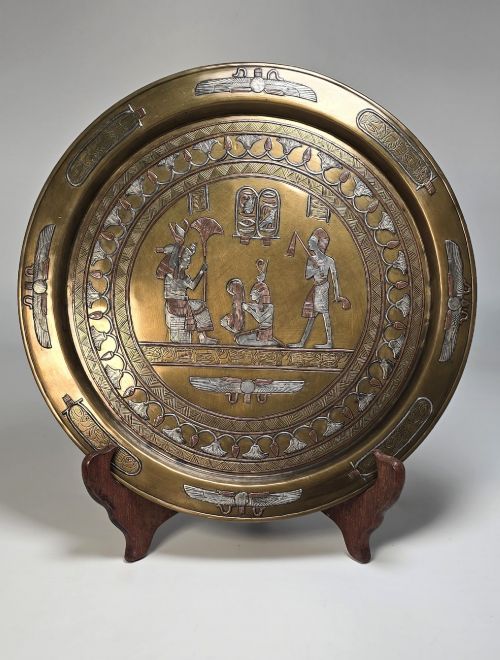
Many items combine silver or silver plate with contrasting materials such as cut glass, rock crystal, ceramics, wood, or patinated iron. These mixed-media pieces demonstrate the technical versatility of period workshops and manufacturers.
Silver Decorative Dishes Retail Price Guide 2026
Typical asking prices for silver decorative dishes among the pieces listed under this phrase on Sellingantiques today, from the lower quarter to the upper quarter. They describe what is for sale here now, not the wider market.
Sailors and landlubbers alike can admire the silver Viking longship dish, ready to pillage your dressing table of loose change.
Evaluating craftsmanship and execution
Quality in these items is determined by the crispness of the chasing or repoussé work, the weight of the metal, and the precision of any applied inlay or figural casting. Superior examples exhibit deliberate hand-finishing and well-defined details that remain sharp across the entire surface.
The integrity of construction, particularly in pieces combining glass, ceramic, or wooden elements with metal mounts, separates standard production items from finer studio or maker-marked productions.
Hermes Paris·Christofle·Liberty & Co·Oliver Baker·Charles Boyton·Elkington & Co·Frank Butler·William Comyns·Maria Pergay
The Silver Decorative Dishes Glossary
- Repoussé
- A metalworking technique where the metal is hammered from the reverse side to form a raised design in relief. This method allows artisans to create intricate floral and figural motifs.
- Tazza
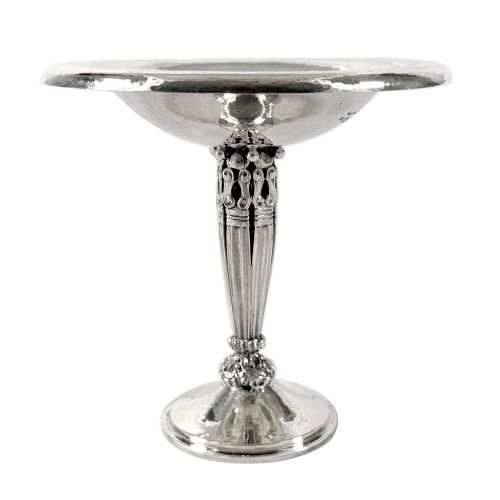
- A shallow bowl or cup mounted on a stem and foot, used historically for serving small items or for display. These pieces often feature decorative rims and chased borders.
- Vide poche
- A small tray or dish intended for emptying pockets of small items like coins and keys. The term translates from French as empty pocket.
- Pewter
- A malleable metal alloy historically used for tableware and decorative plates, often beaten or patinated. Pewter items from the Arts and Crafts period frequently display visible tool marks.
- Comport
- A decorative dish or bowl raised on a foot, typically placed in the centre of a table for fruit or confections. They appear in glass, silver plate, and metal.
Silver Decorative Dishes: Frequently Asked Questions
What were silver decorative dishes used for?
These items served various domestic functions, from holding calling cards and jewellery to presenting fruit or sweetmeats on dining tables. Many pieces were primarily ornamental, designed to be displayed on sideboards or mantelpieces.
Over time, smaller versions transitioned to dressing tables as trinket or pin trays, while larger tazzy and bowls retained their place in formal entertaining.
How do I care for silver decorative dishes?
Maintenance involves gentle cleaning using appropriate silver polishes to remove tarnish without abrading the surface detail or metal plating. Items paired with glass, wood, or fabric require targeted cleaning methods that protect the non-metal components.
Storage in dry environments away from direct sunlight helps preserve patinated finishes and prevents accelerated tarnishing.
How can I tell the period of a dish?
Dating relies on stylistic indicators, such as the flowing organic lines typical of Art Nouveau pieces or the geometric abstraction seen in Art Deco designs. Maker marks, hallmarks, and stamps provide precise chronological markers where present.
Construction techniques, such as hand-beaten surfaces versus machine stamping, also offer clues regarding the era of manufacture.
Are silver plated items less authentic than solid silver?
Silver plated items represent a substantial portion of historical tableware and decorative objects, produced by reputable firms using durable techniques. Plating allowed makers to achieve ornate designs at a more accessible cost during the nineteenth and twentieth centuries.
Both solid silver and silver plated pieces hold historical and aesthetic value, depending on the quality of the manufacturing and design.