





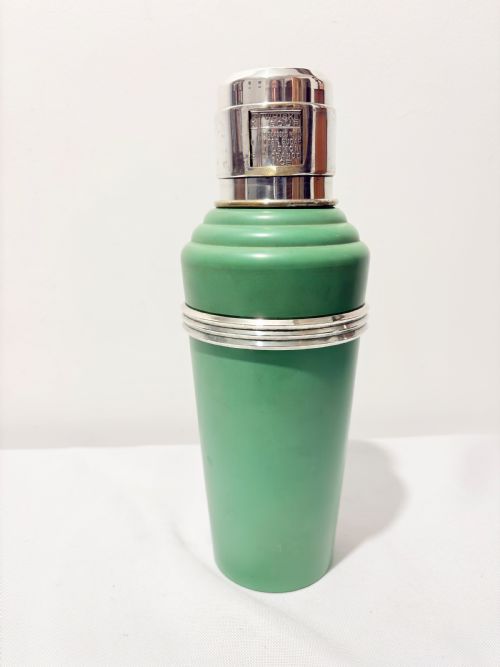

Silver Cocktail Accessory
These silver cocktail accessory items range from Art Deco shakers to Edwardian tongs, bringing period style to mixing drinks.
Silver Cocktail Accessory
A silver cocktail accessory comprises items utilised for preparing and serving drinks, spanning barware, shakers, juicers, cocktail sticks, trays, and ice tongs. When searching this phrase, a buyer encounters pieces originating from the Edwardian era through the mid-century modern period, with the Art Deco style heavily represented.
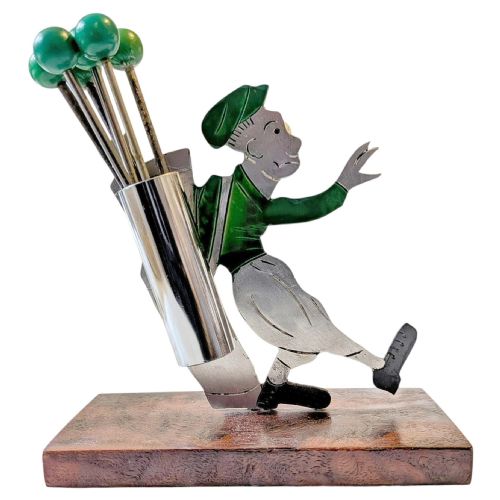
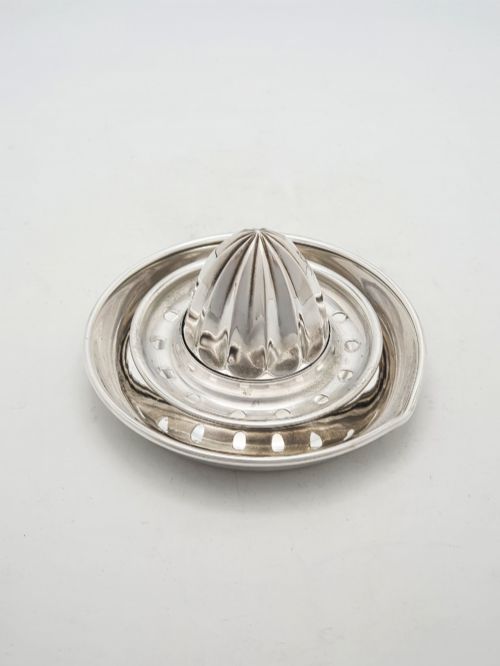
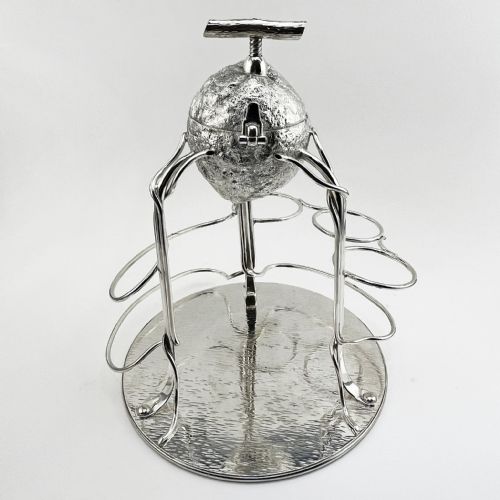
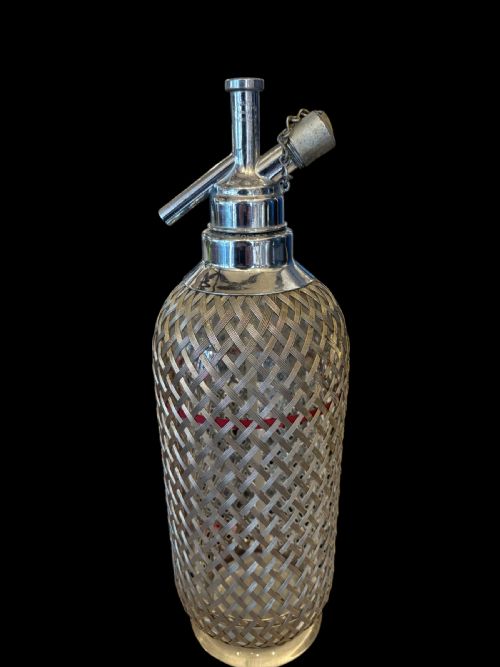
The selection includes specialised bar tools such as lemon wedge squeezers with strainer rings, soda syphons, spirit flasks, and ice buckets featuring cut glass liners. Many items serve a dual purpose, combining functionality with novel designs like comical golfer or cherry figures topping cocktail sticks.
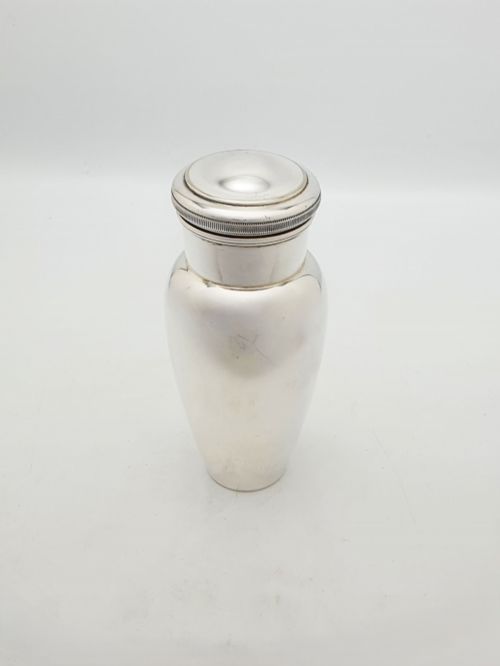
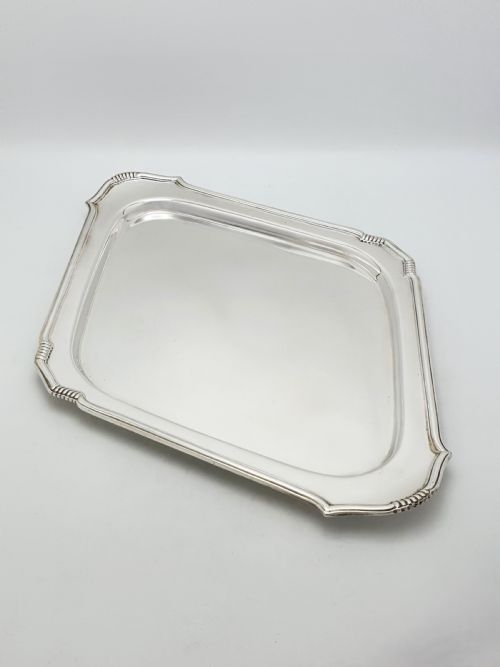
Shakers form a substantial portion of the available objects, appearing in bachelor sizes, large capacities, and designs incorporating rolling mixer recipes or integral citrus juicers. Trays and bar sets complete the groupings, often shaped in distinctive geometric forms typical of the 1920s and 1930s.
Materials and manufacturing techniques
Makers constructed these pieces using sterling silver and electroplated nickel silver, alongside silver plate on base metal foundations. Glass bodies frequently paired with metal mounts, while coloured plastics such as Bakelite and vitreous enamel provided contrasting accents on handles, lids, and decorative motifs.
Manufacturing methods combined metal spinning and stamping for shaker bodies and trays with detailed casting for figurative cocktail sticks and ice tongs. Engraved recipe details and cut glass liners demonstrate specific craft techniques applied during the early twentieth century.
Listings span pieces produced across the Edwardian era, 1920s, 1930s, and mid-century modern periods.
Distinctions in standard and execution
Quality separates through the crispness of casting in figurative elements and the structural weight of the silver plating or solid sterling silver. Pieces bearing clear maker marks and specific design attributions demonstrate higher manufacturing pedigree than unbranded equivalents.
The preservation of secondary materials like enamel, Bakelite, and original cut glass liners influences overall desirability. Superior examples maintain intact mechanisms, such as operational ice breakers or tightly fitting shaker lids, alongside crisp engraving on recipe cylinders.
Sudre·Richard Comyns·Hukin & Heath·Robert Cawley·Keith Murray·J. B. Chatterley & Sons·James Dixon & Sons·Lino Sabattini·Christofle·William Suckling·C S Green & Co·Asprey
The Silver Cocktail Accessory Glossary
- Electroplated Nickel Silver
- A base metal alloy of copper, nickel, and zinc coated with a layer of silver through an electrolytic process.
- Bakelite
- An early form of thermosetting plastic frequently utilised for handles and decorative details on barware from the 1920s and 1930s.
- Bachelor Shaker
- A smaller capacity cocktail shaker designed for single servings or intimate gatherings during the interwar period.
- Talon Tongs
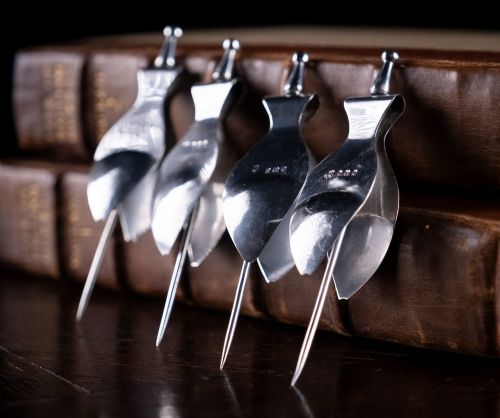
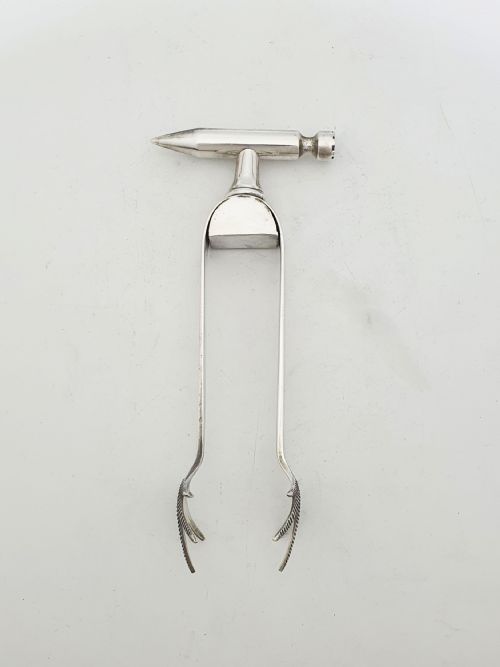
- Ice tongs formed in the shape of bird claws or animal talons, popular during the Art Deco era.
- Recipe Shaker
- A bar shaker featuring engraved or printed cocktail formulas directly onto the metal surface.
Silver Cocktail Accessory: Frequently Asked Questions
What is a bachelor cocktail shaker?
A bachelor shaker is a smaller version of the standard cocktail shaker, designed to mix a single drink or a couple of portions rather than rounds for a large party.
These compact pieces emerged during the interwar years and suit collectors with limited display space who prefer portable barware.
How do I clean silver barware?
Cleaning requires warm soapy water and a soft cloth to protect the silver plate or sterling surface from abrasion.
Harsh chemical dips must be avoided, particularly on pieces featuring delicate enamel work, wooden elements, or Bakelite handles.
Are these cocktail shakers usable today?
Many vintage shakers remain functional for mixing drinks, provided the seals and internal strainers are intact.
Checking for smooth threads on screw-top lids and verifying the stability of glass liners ensures safe handling during cocktail preparation.
How can I date an Art Deco shaker?
Dating relies on manufacturer stamps, registry numbers, and stylistic markers such as geometric shapes and moulded Bakelite fittings.
Stylistic cues from the 1920s and 1930s often align with specific maker marks stamped to the base of the metal.