

Silver Case Timepiece
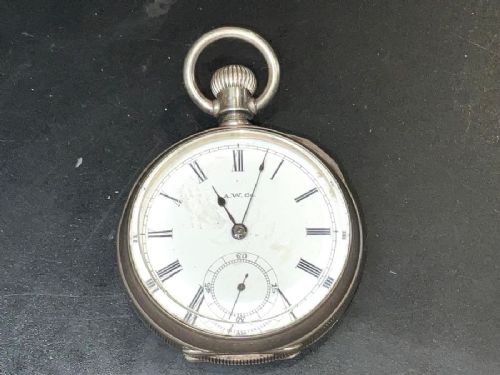
A silver case timepiece brings together portable horology and precious metal casing, offering a functional instrument housed in solid silver or silver plate.
Silver Case Timepiece
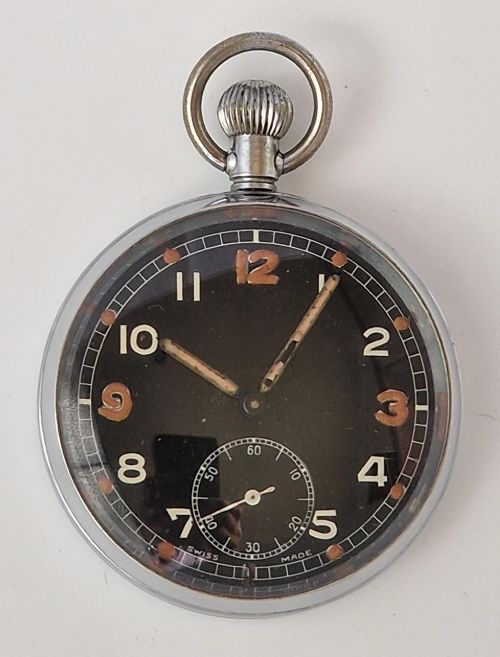
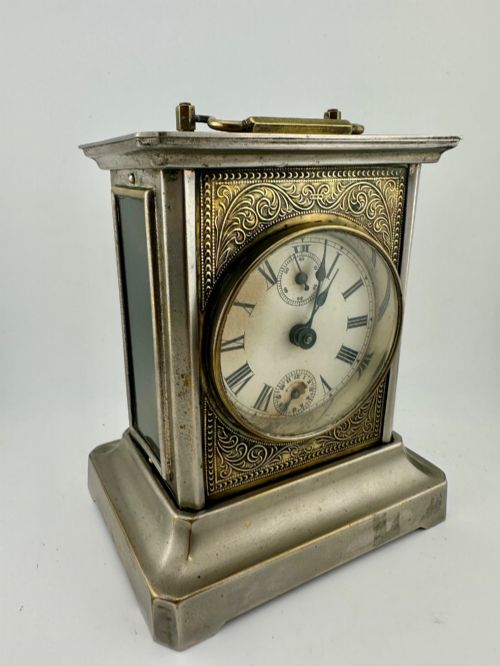
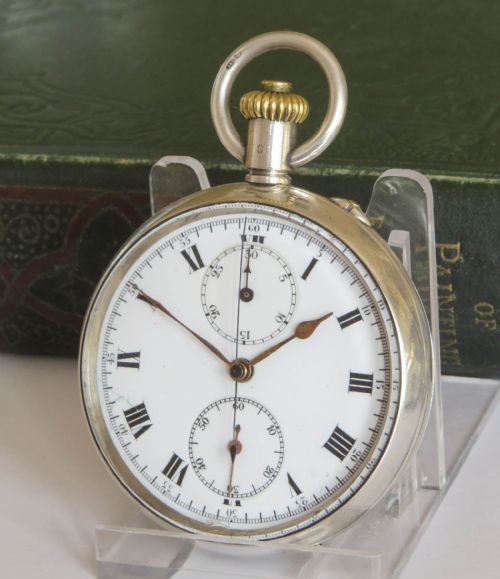
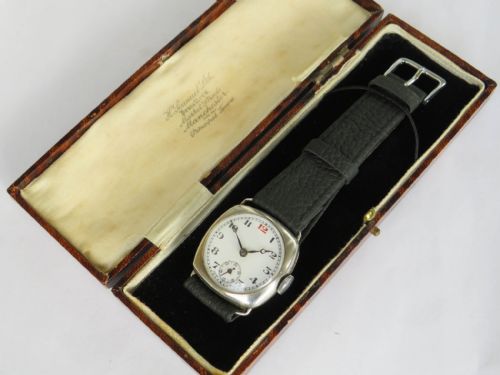
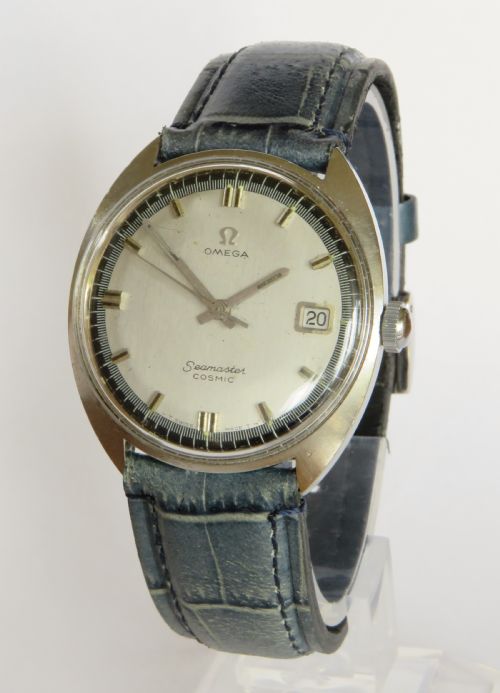
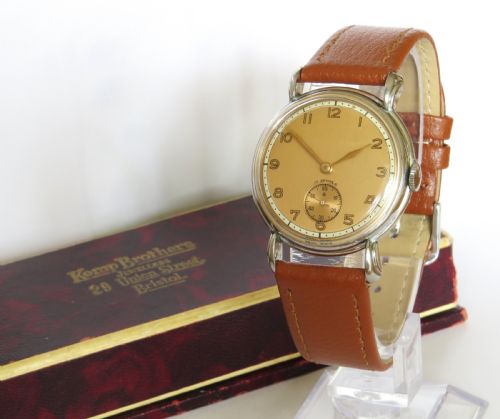
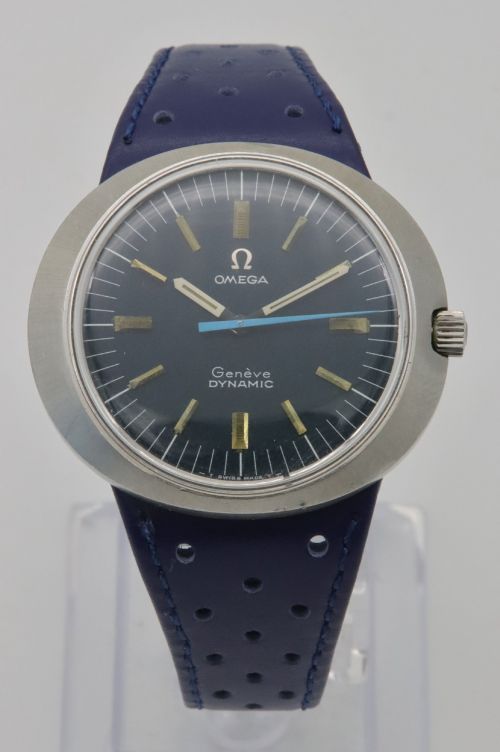
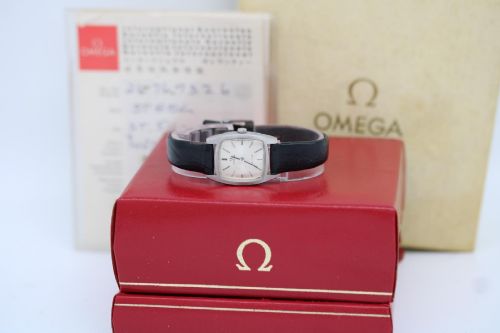
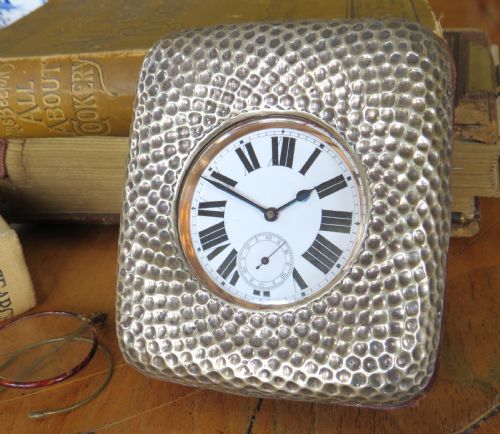
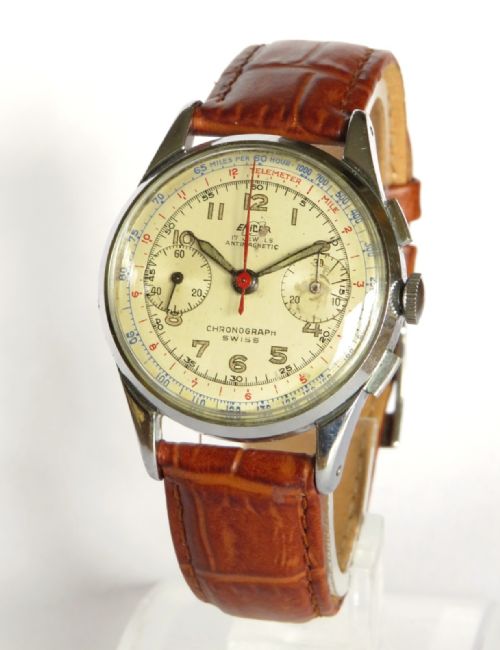
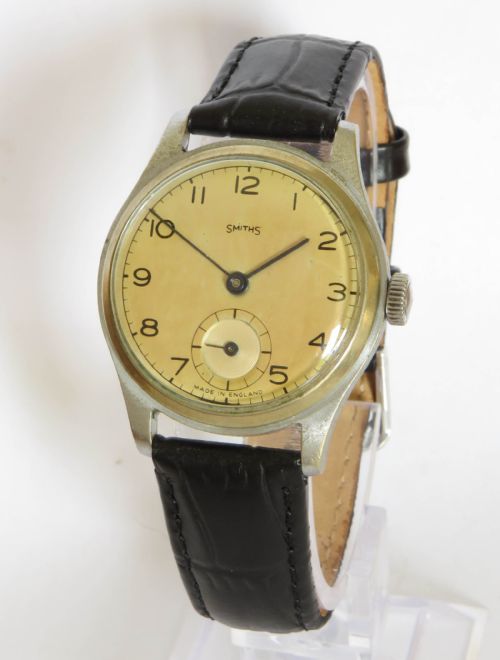
A silver case timepiece encompasses a diverse group of portable and domestic horological objects encountered on this page, ranging from pocket watches and wristwatches to travel clocks and desk clocks. Buyers searching this phrase meet items spanning from the eighteenth century through to the mid-twentieth century, with Victorian, Edwardian, and Art Deco examples appearing frequently.
How they were made
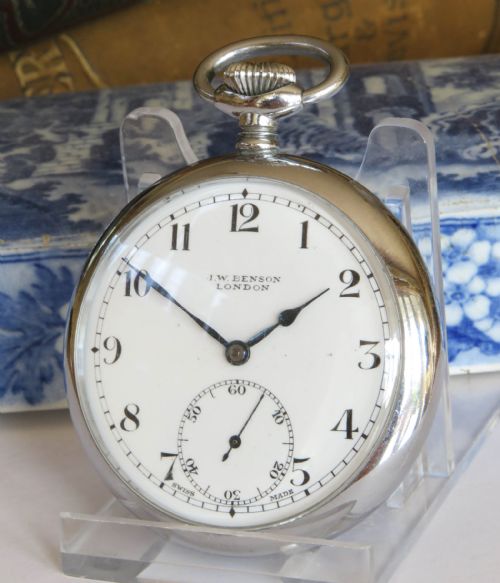
Horologists utilised traditional mechanical movements housed within protective metal housings, predominantly relying on sterling silver for the exterior cases alongside components of glass, brass, and enamel dials. Many cases carry official hallmarks indicating assay offices and dates, while dials often incorporate Arabic or Roman numerals protected by glass crystals.
Workmanship involved precision gear cutting, spring fitting, and case stamping or casting, particularly visible in detailed Art Deco desk clocks or intricate pair-cased pocket watches. Materials such as leather and chrome also appear in travel pieces, supporting the dual requirement of portability and mechanical reliability.
Silver Case Timepiece Retail Price Guide 2026
Typical asking prices for silver case timepiece among the pieces listed under this phrase on Sellingantiques today, from the lower quarter to the upper quarter. They describe what is for sale here now, not the wider market.
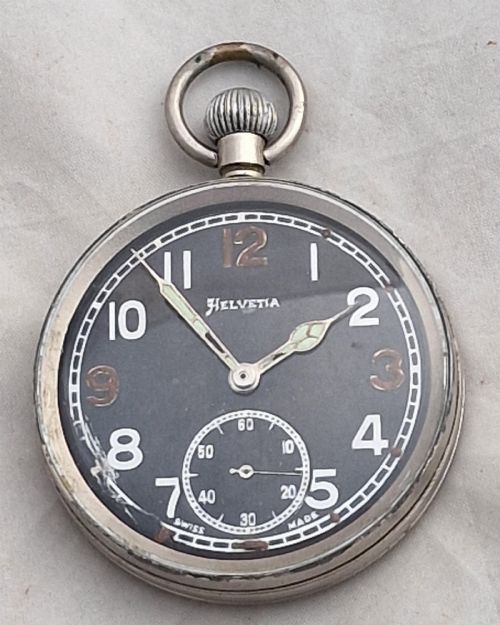
Some pocket watches carry secret Cyrillic inscriptions and military arms, hinting at long journeys across borders before resting in collections.
What varies in quality
The tier of a silver case timepiece rests upon the crispness of the case hallmarks, the integrity of the silver work, and the original preservation of the dial and movement. Pieces with well-preserved enamel dials free from hair cracks and cases retaining sharp decorative engraving or smooth engine-turned patterns stand higher in the range.
Maker reputation and movement complexity further separate standard items from superior examples, particularly where signed movements by notable makers or specialised complications like chronograph functions are present. The harmony between the outer silver housing and the internal mechanical engineering dictates the overall standard of the object.
J W Benson·Mappin & Webb·Harrods of London·Jaeger Le
The Silver Case Timepiece Glossary
- Pair cased
- A watch construction utilising two separate cases, where an inner case holds the movement and fits inside an outer protective outer case. This method was common in earlier centuries to guard against dust and damage.
- Full hunter
- A pocket watch design featuring a spring-loaded metal cover that protects the dial from scratches and impacts. The cover springs open via a crown-mounted pusher.
- Hallmark
- An official stamp applied to precious metals indicating the purity of the silver, the assay office, and the year of manufacture. These marks provide definitive evidence of origin and metal standard.
- Champlevé
- An enamelling technique where troughs or cells are carved into the metal surface and filled with vitreous enamel before firing. It creates a durable decorative pattern flush with the surrounding metal.
- Verge escapement
- An early mechanical escapement mechanism utilising a vertical pallet staff and crown wheel to regulate the movement. It is typically found in older pocket watches from the Georgian period and earlier.
Silver Case Timepiece: Frequently Asked Questions
What is a silver case timepiece?
A silver case timepiece refers to any clock or watch enclosed in a protective housing made of silver or silver plate. These items combine timekeeping movements with precious metal outer shells.
They include portable pocket watches, wristwatches, and small travel or desk clocks produced across multiple centuries.
How do I wind an antique watch?
Antique mechanical watches are wound manually via the crown or a dedicated key depending on the period of manufacture. Care must be taken not to overwind the mainspring.
Most vintage movements require gentle, consistent turns until resistance is felt, usually performed at the same time each day.
Were these clocks used for travel?
Many silver cased clocks and pocket watches were specifically designed for portability, featuring robust travel cases or protective outer covers. Examples include folding travel clocks and trench watches.
Owners carried them during transit to maintain accurate schedules before reliable public timekeeping became widespread.