





Silver Cap Glass Bottle
These silver cap glass bottle pieces combine practical vanity accessories with decorative glass, offering a glimpse into nineteenth-century dressing table culture.
Silver Cap Glass Bottle
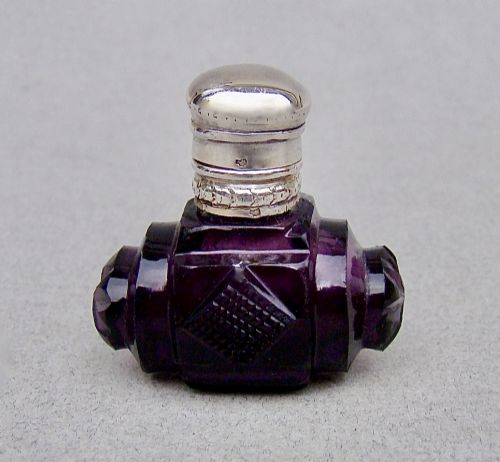
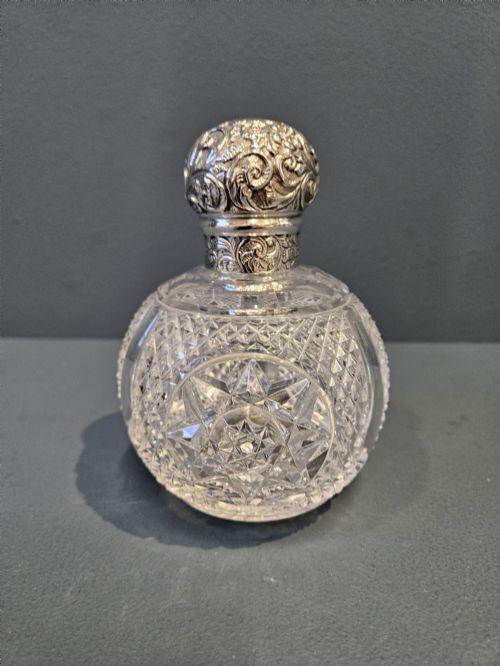
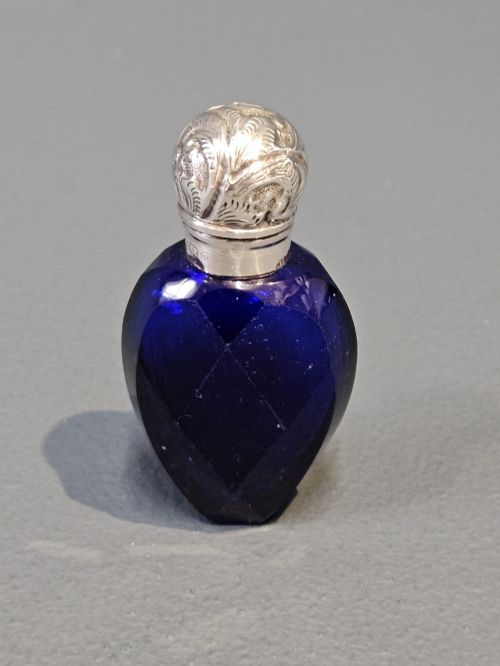
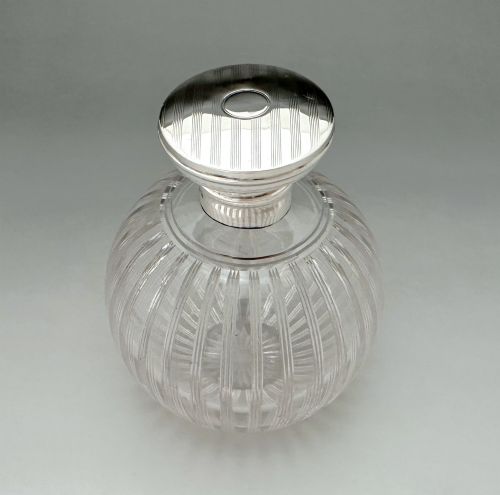
When you search for a silver cap glass bottle, you enter a field dominated by Victorian and Edwardian dressing table accessories, perfume bottles, and vanity jars. These pieces serve primarily as scent bottles, smelling salts containers, or barware flasks, produced across the nineteenth and early twentieth centuries.
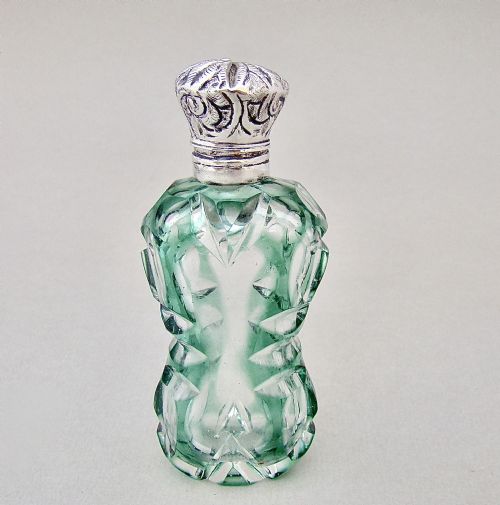
The most common examples on this page are Victorian scent bottles featuring cut glass or coloured glass bodies paired with sterling silver mounts. You will also encounter specialised items such as miniature liquor flasks, double-ended perfume bottles, and cased vanity accessories from French and English makers.
How silver cap glass bottles were made
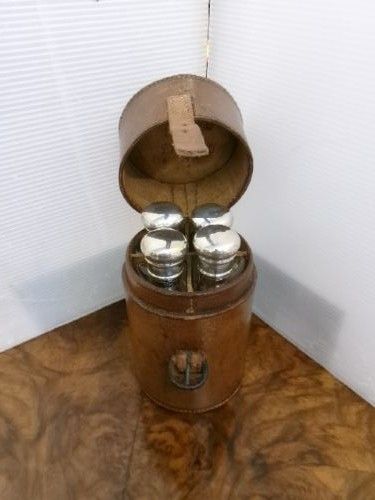
Makers combined blown or moulded glass bodies with solid sterling silver caps, often utilising cut glass, sliced-cut techniques, or overlay glass methods to create contrasting layers of colour. Glass vessels appeared in cranberry, teal, amethyst, green, and opal hues, sometimes cased in leather or fitted with velvet linings.
Silver mounts were shaped, engraved, or embossed to fit securely over the glass necks, frequently bearing hallmarks from assay offices in cities such as Sheffield. The integration of metal and glass required precise fitting to ensure liquid-tight closures for volatile perfumes and spirits.
Silver Cap Glass Bottle Retail Price Guide 2026
Typical asking prices for silver cap glass bottle among the pieces listed under this phrase on Sellingantiques today, from the lower quarter to the upper quarter. They describe what is for sale here now, not the wider market.
Some Victorian bottles took unexpected forms, including a glass flask shaped like an owl and a miniature champagne bottle.
What varies in quality in silver cap glass bottles
The distinction between standard items and superior examples lies in the complexity of the glasswork and the crispness of the silver mounting. Pieces featuring layered overlay glass, intricate facet cutting, or unusual forms such as animal figures command greater attention than simple moulded designs.
Condition and completeness also govern worth, particularly the retention of original inner stoppers, unmarked hallmarks on the silver caps, and the absence of chips to delicate glass edges or overlay surfaces.
The Silver Cap Glass Bottle Glossary
- Overlay glass
- A glass vessel formed of two or more distinct layers of different colours, where the outer layer is partially cut away to reveal the contrasting colour beneath.
- Sliced-cut
- A decorative glass-cutting technique characterised by broad, flat facets that produce geometric patterns across the body of the bottle.
- Sterling silver
- An alloy of silver containing 92.5 percent pure silver by mass, standardly used for the caps and mounts on these antique bottles.
- Double end
- A scent bottle design featuring a cap at both the top and the bottom, allowing two different perfumes or salts to be contained in a single piece.
- Vanity jar
- A larger container with a solid silver top, designed for dressing table storage rather than portable use.
Silver Cap Glass Bottle: Frequently Asked Questions
How do I date a silver cap glass bottle?
Dating relies primarily on the hallmarks stamped onto the silver cap, which indicate the assay office, standard of silver, and year of manufacture.
Style, glass colour, and cutting techniques also provide clues, as Victorian and Edwardian pieces exhibit distinct manufacturing traits compared to later twentieth-century productions.
Were these bottles meant for travel?
Many smaller perfume bottles and flasks were designed for pocket or handbag use, often accompanied by protective leather cases.
Larger vanity jars and double-ended scent bottles stayed stationary on dressing tables or were housed in fitted travel dressing cases.
Can I still use these bottles for perfume?
Most antique bottles retain functional silver caps and inner stoppers, making them suitable for holding modern scents if handled with care.
Collectors generally use them for display rather than daily wear, given the delicate nature of nineteenth-century glass and antique silver mountings.
What causes cloudiness inside the glass?
Residue from old perfumes, oils, or water trapped inside over decades often leaves a cloudy film on the interior glass surface.
Gentle cleaning with appropriate soft brushes can sometimes improve clarity, though deep staining in antique glass is often permanent.