





Silver Bread Plate
A silver bread plate brings formal dining structure to the table, offering a polished stage for sliced loaves and rolls.
Silver Bread Plate
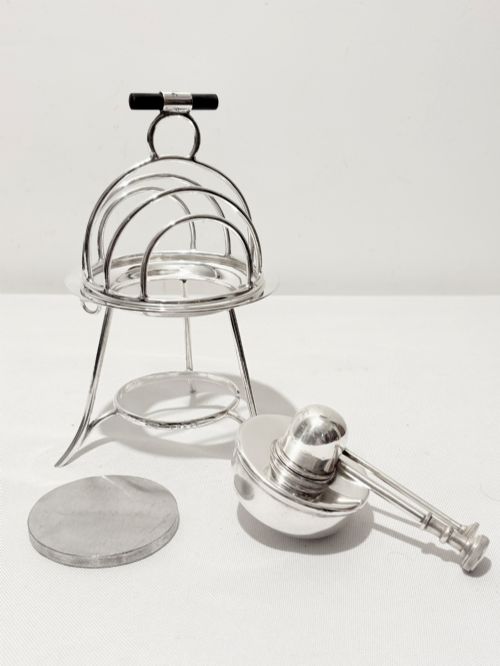
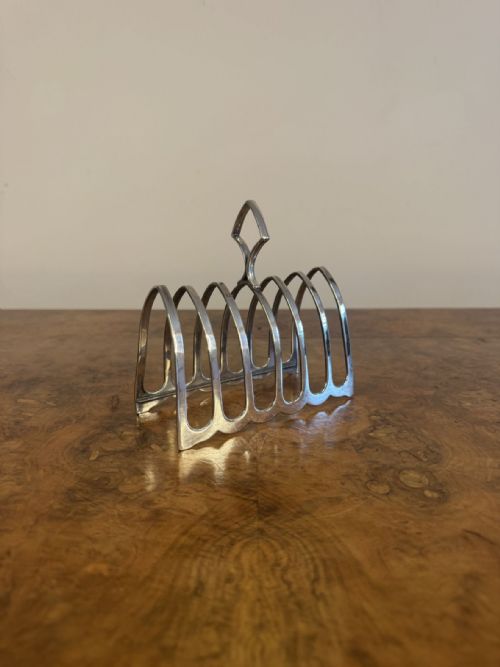
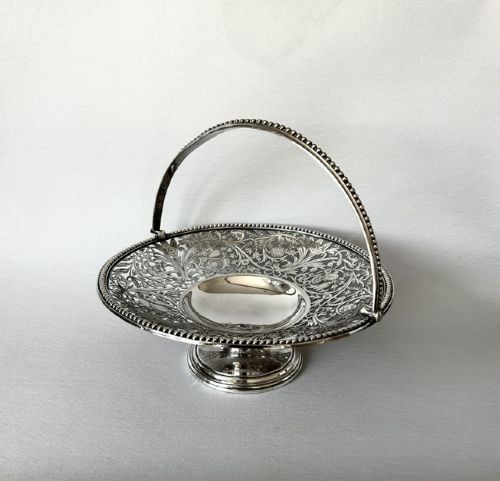
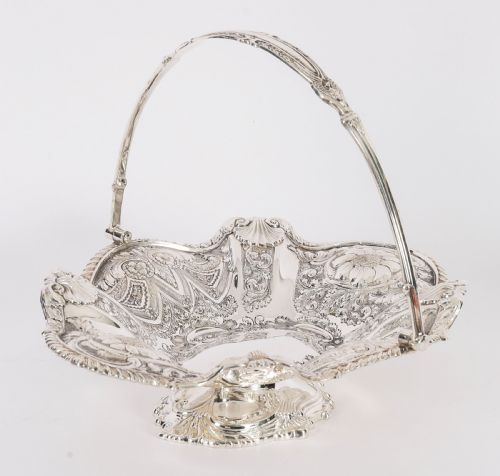
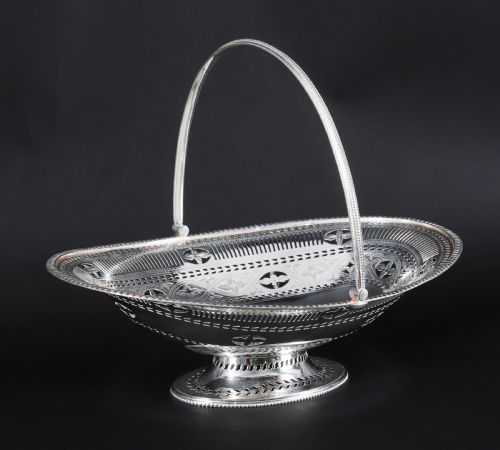
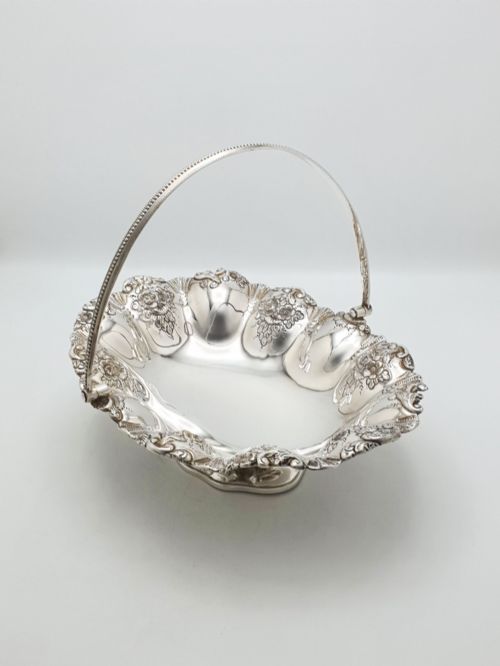
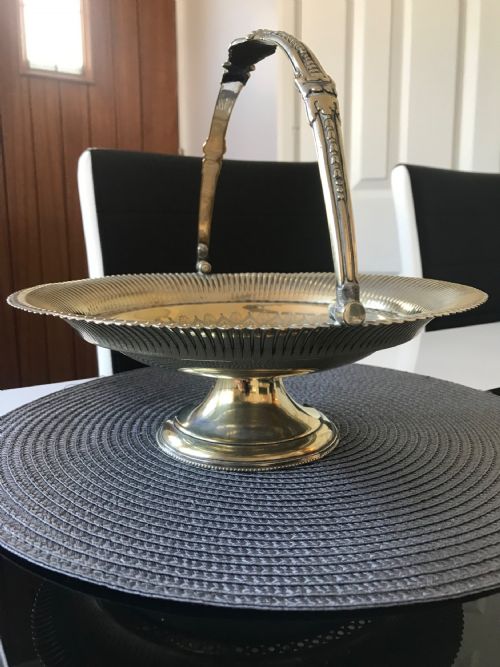
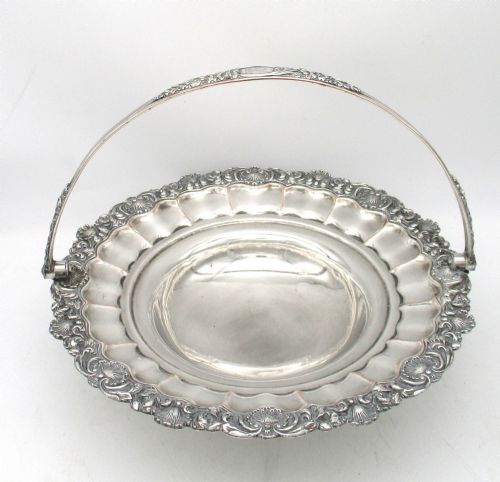
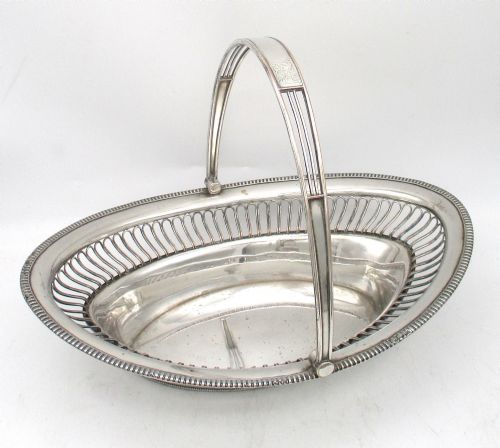
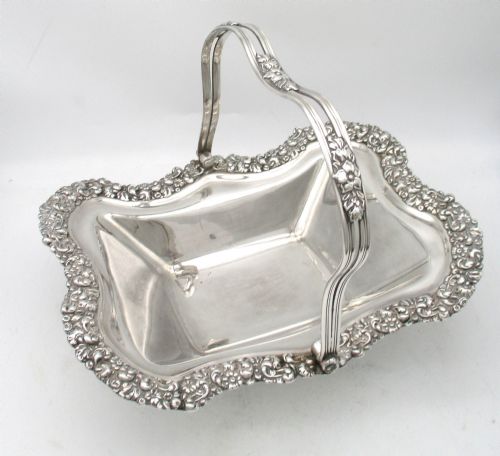
A silver bread plate represents the broader tradition of metal serveware found in baskets, fruit bowls, and serving dishes. The versions most commonly met on this page span the nineteenth and early twentieth centuries, taking the form of handled baskets, pierced fruit bowls, and flat trays intended for the dining table.
The styles encountered run from restrained Georgian wirework and Regency pieces through to ornate Victorian Rococo Revival and Neoclassical designs. Edwardian and Art Deco examples also appear, showing how makers adapted these serving vessels across successive decades.
Originating primarily from British workshops, these silver plated items served domestic households for bread presentation, fruit containment, and general table service. Buyers searching for a silver bread plate will find these related serving forms filling the inventory.
Materials and technique
Many early examples utilise Old Sheffield Plate, a process fusing a thin sheet of silver onto a copper core before rolling and shaping. This technique creates a distinctive warm glow where the underlying copper occasionally shows through at high points and edges.
Later pieces rely on silver plate and electroplated nickel silver, commonly abbreviated as EPNS, applied over base metals like copper and nickel silver. Manufacturers achieved decorative rims and handles through floral repoussé work, delicate piercing, and wirework assembly.
Silver Bread Plate Retail Price Guide 2026
Typical asking prices for silver bread plate among the pieces listed under this phrase on Sellingantiques today, from the lower quarter to the upper quarter. They describe what is for sale here now, not the wider market.
What varies in quality
The standard of a piece rests largely on the crispness of its chasing, piercing, and repoussé decoration. Sharply defined floral motifs and clean geometric piercings distinguish superior items from softer, more worn pressings.
Preservation of the original plated surface determines much of the distinction between examples. Pieces that retain their full silver coating without excessive base metal telegraphing through demonstrate better initial plating thickness and careful subsequent handling.
George W. Scott And Sons Ltd·Mappin And Webb·Creswick·Walker And Hall·Walker Knowles·James Dixon·Elkington·Brille Paris
The Silver Bread Plate Glossary
- Old Sheffield Plate
- An early fusing technique where a thin layer of silver is fused to a copper base. This method creates distinctive edge properties visible on eighteenth and early nineteenth century pieces.
- Electroplated Nickel Silver
- A process developed in the nineteenth century using an electrical current to deposit silver onto a nickel alloy base. This technique largely superseded older plating methods.
- Repoussé
- A metalworking technique where the design is hammered into relief from the reverse side. It creates raised floral and scroll patterns on basket rims.
- Wirework
- An open lattice construction formed from shaped metal wires. This technique defines many of the lighter baskets from the Georgian period.
- Swing handle
- A movable handle attached to the sides of a basket or bowl via hinged pivots. It allows the vessel to be stored flat or carried easily.
Silver Bread Plate: Frequently Asked Questions
What is the difference between Old Sheffield Plate and silver plate?
Old Sheffield Plate involves mechanically fusing silver to a copper core before shaping the object. This method produces a characteristic edge appearance where the copper base metal shows.
Later silver plate uses an electrochemical process to deposit a layer of silver over a base metal such as nickel silver. This technique provides a uniform metallic coating across the entire item.
How were these baskets and trays used?
These pieces served dining tables as receptacles for bread, sliced loaves, rolls, and fresh fruit. Their open designs and swing handles facilitated passing items among guests during formal meals.
Certain variations functioned specifically as knife trays or serving dishes for daily household administration. They formed part of an extensive matched suite of dining silver.
How do I care for silver plated serveware?
Maintenance requires gentle cleaning with non-abrasive silver polishes designed for plated surfaces. Avoid harsh scrubbing that can wear through the thin silver layer to the base metal underneath.
Store pieces in dry environments away from direct moisture and sulphur sources to minimise tarnishing. Regular soft cloth dusting preserves the polished finish between deeper cleans.
How can I tell the period of a piece?
Stylistic indicators such as Neoclassical swags, Victorian floral repoussé, or geometric Art Deco lines offer primary clues to a piece's age. Wirework construction often points towards Georgian origins.
Maker marks and manufacturing techniques, such as Old Sheffield Plate versus electroplating, provide additional chronological markers. Comparing these details helps narrow down the decade of production.