
Silver Art Pendant
When choosing a silver art pendant, you select an individual work spanning distinct stylistic movements from the late nineteenth century onward.
Silver Art Pendant
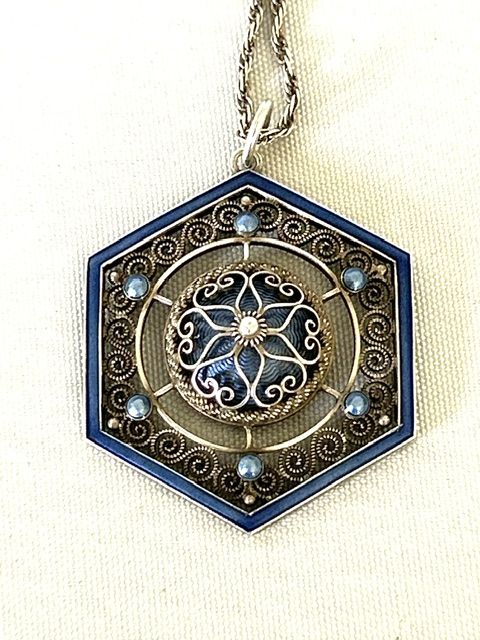
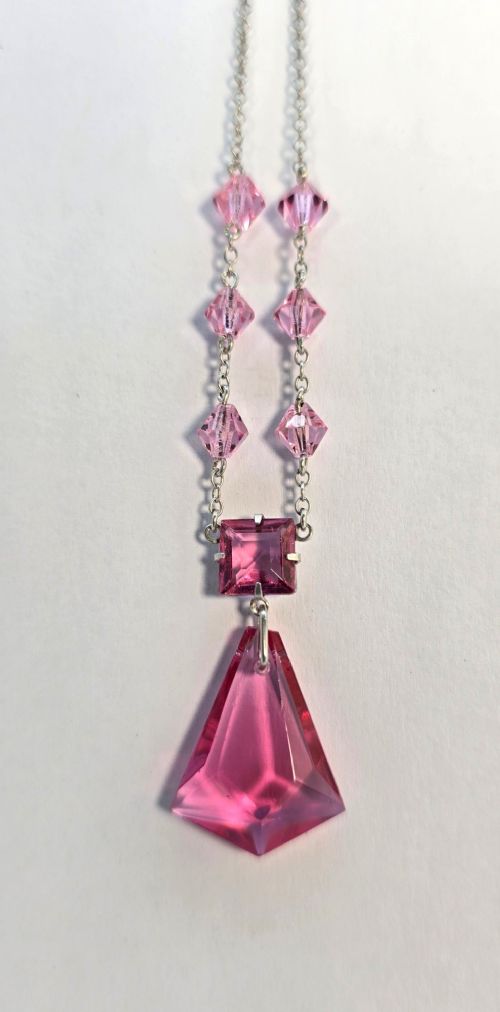
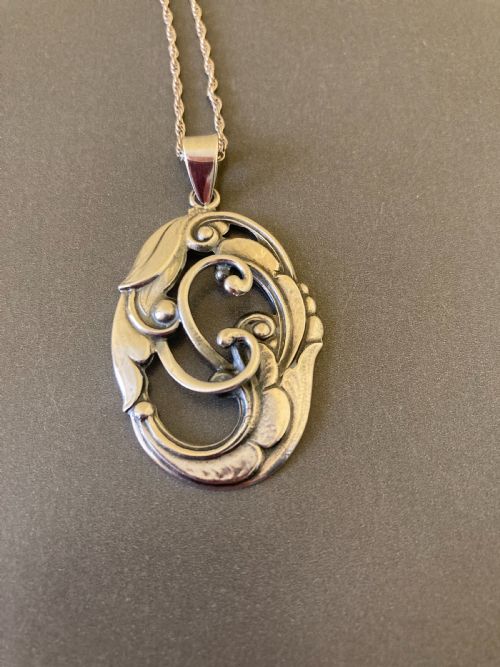
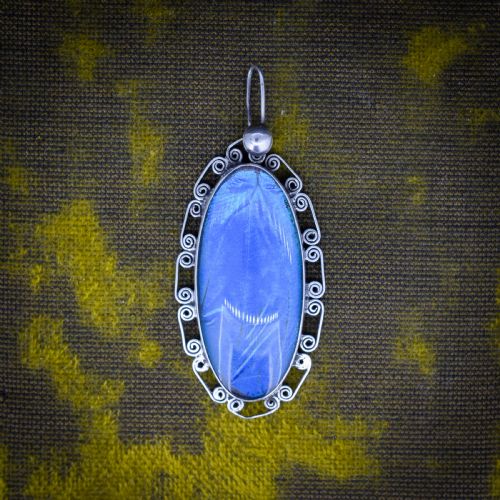
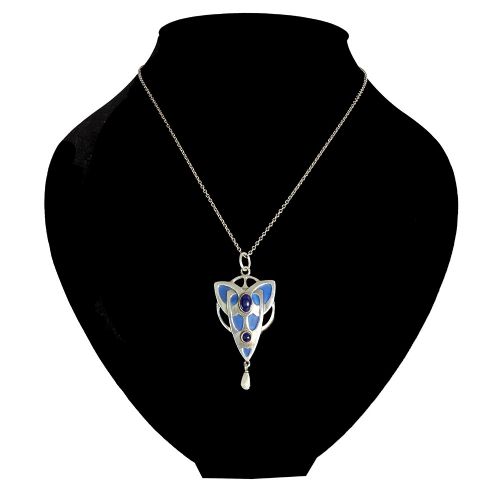
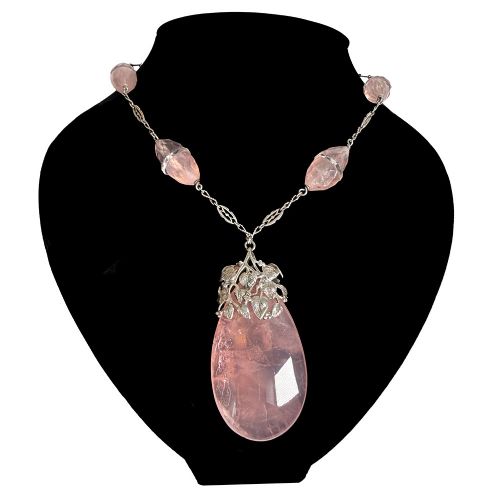
A silver art pendant brings together decorative metalwork and wearable design, drawing heavily on periods such as Art Nouveau, Arts and Crafts, and Art Deco. These pieces range from simple geometric drops to complex compositions incorporating coloured stones and vitreous enamels.
Examples on this page frequently originate from early twentieth-century workshops, showcasing the hand-wrought qualities typical of the Arts and Crafts movement alongside sleek geometric lines from the Art Deco era.
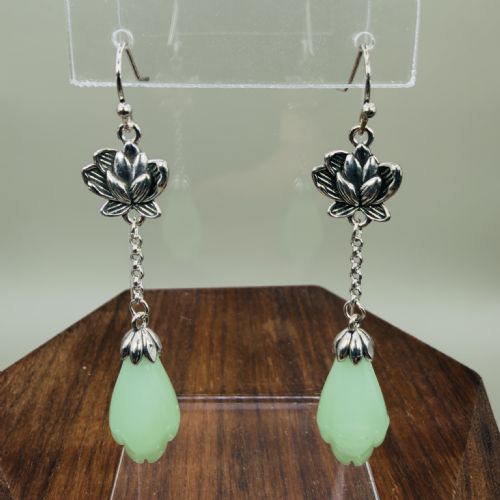
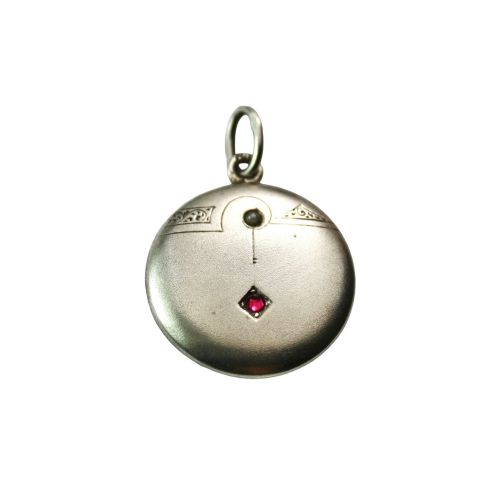
Alongside traditional necklaces, the selection includes related forms like miniature pillboxes, lockets, and small functional containers designed to be worn.
Materials and construction
Makers rely primarily on sterling silver, shaped through hand fabrication, wire-work, and casting to form the structural framework of each pendant.
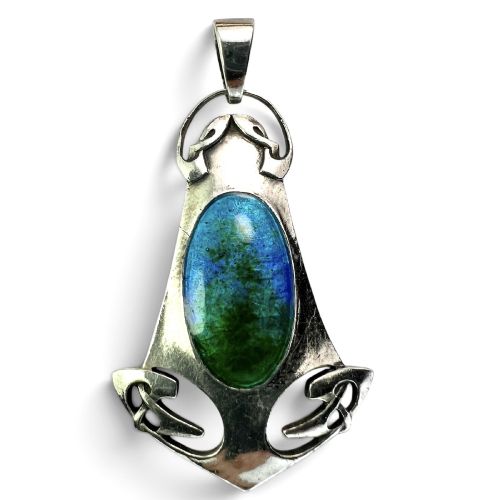
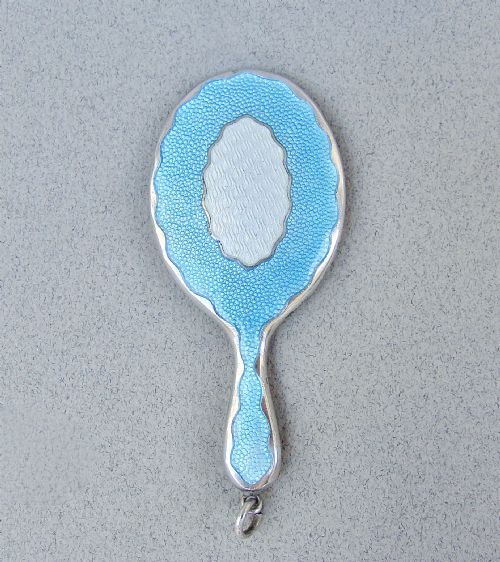
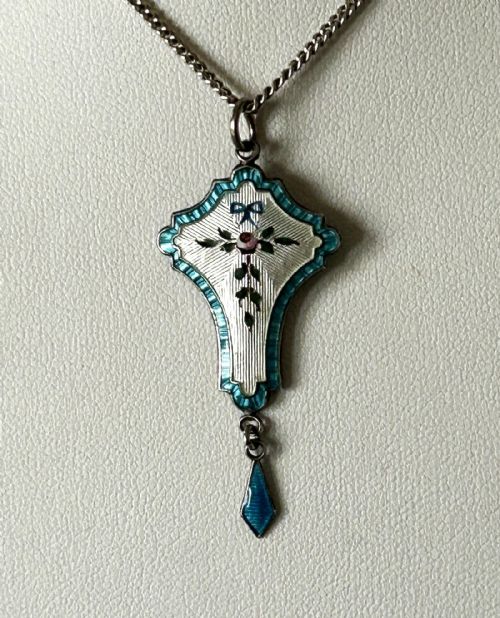
Coloured decoration is frequently achieved using guilloché, plique-à-jour, or standard enamel, alongside natural stones such as moonstone, chalcedony, opal, and amethyst.
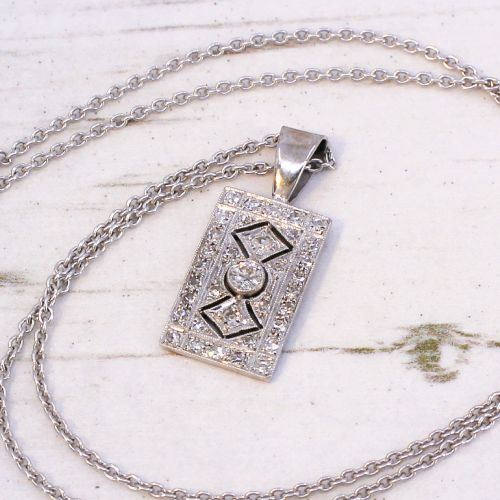
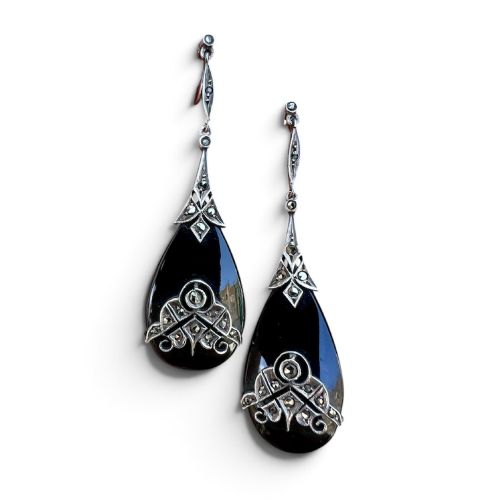
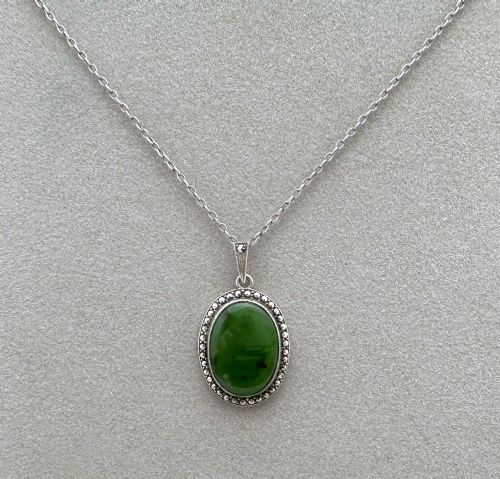
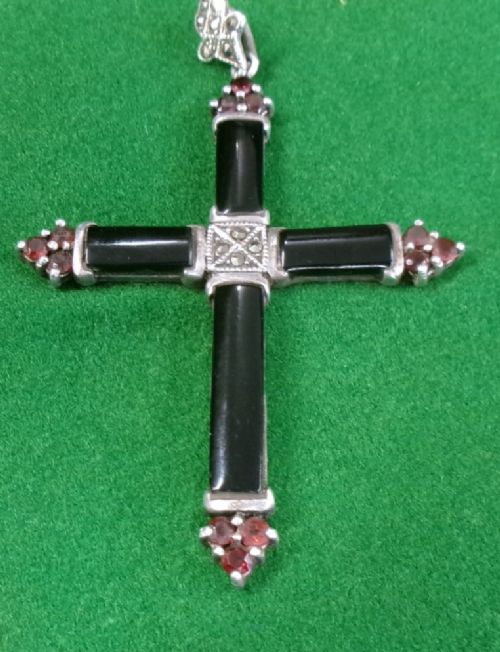
Many designs incorporate supplemental elements like marcasite, pearls, paste stones, and diamond accents set in platinum or silver to enhance visual contrast.
Listings feature silver art pendants spanning the Victorian era, Edwardian period, and mid-twentieth century.
Distinguishing quality
Superior pieces display exceptional precision in enamel work and stone setting, where every component integrates harmoniously into the overarching design without awkward joins.
The distinction between standard commercial production and finer work often lies in the depth of hand-finishing, the weight of the silver used, and the originality of the artistic conception.
Signed examples attributed to established designers or notable workshops generally demonstrate a higher tier of craftsmanship and design cohesion.
Marius Hammer·Archibald Knox·Murrle Bennett·Henry Williamson·Henry Matthews·Mary Thew·Wilhelm Fuhner·WH Haseler·Knoll and Pregizer·Meyle and Mayer·Georg Jensen·Charles Horner·Hermann Siersbol·Vivianna Torun Bulow Hube
The Silver Art Pendant Glossary
- Guilloché enamel
- A decorative technique where transparent enamel is layered over engine-turned metalwork. This creates repetitive geometric patterns that show beneath the coloured glass surface.
- Plique-à-jour
- An enamelling technique resembling miniature stained glass without a backing. Light passes directly through the translucent enamel cells.
- Marcasite
- Small faceted pyrite stones cut and polished to resemble steel or cut diamonds. They are typically set in pavé arrangements to frame central motifs.
- Paste
- Hand-cut lead glass used as a substitute for gemstones. It offers high refractive brilliance in antique jewellery.
- Cabochon
- A gemstone shaped and polished with a smooth, convex domed surface rather than faceted edges. This cut is common for opaque stones like moonstone and opal.
Silver Art Pendant: Frequently Asked Questions
How do I identify an Art Nouveau pendant?
Art Nouveau pendants typically feature flowing, organic lines inspired by natural forms such as plants, insects, and female figures. They often incorporate plique-à-jour or vitreous enamel alongside soft cabochon stones.
These pieces avoid rigid geometry in favour of asymmetrical, whiplash curves that define the turn-of-the-century aesthetic.
What defines an Arts and Crafts pendant?
Arts and Crafts pendants emphasise visible hand-craftsmanship, hammered silver textures, and simple unpretentious settings. Stones like moonstone, chalcedony, and rock crystal are chosen for their natural character rather than high monetary value.
Makers working in this tradition prioritized honest construction and artistic integrity over mass production.
How do Art Deco pendants differ?
Art Deco pendants rely on clean geometric lines, symmetrical arrangements, and sharp contrasts. Materials frequently include platinum, diamonds, onyx, and brightly coloured enamel.
These designs reflect the architecture and modern pace of the interwar period.
Can I wear these pendants daily?
Most silver art pendants are sturdy enough for regular wear provided they receive appropriate care. Enamel and softer stones require caution to avoid sharp impacts or exposure to harsh chemicals.
Storing pieces individually prevents scratching between delicate items.