

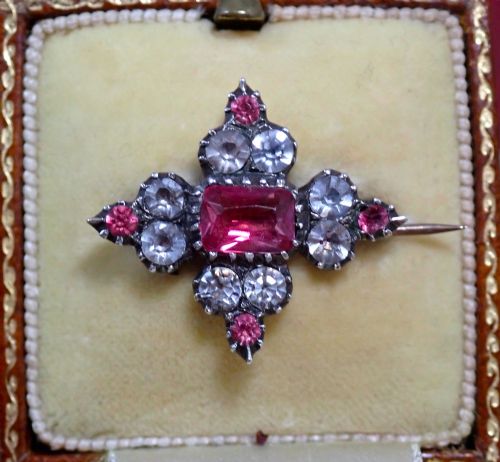


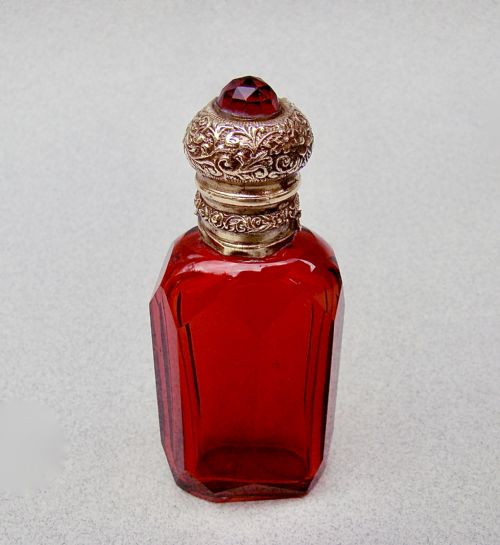
Silver and Ruby Glass
Silver and ruby glass brings together rich red vessels and gleaming metal mounts, offering a striking display of colour that catches the light in any room.
Silver and Ruby Glass
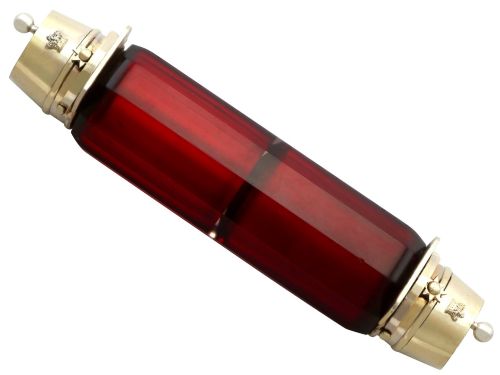
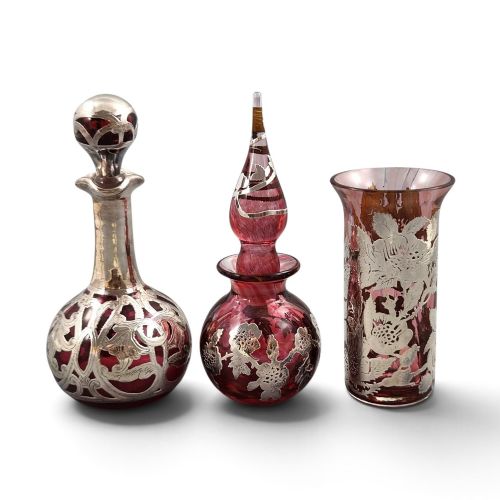
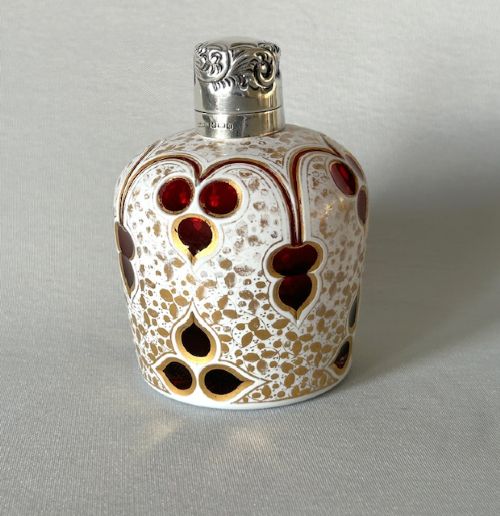
Silver and ruby glass unites deep red or cranberry vessels with sterling silver, silver plate, or silver-gilt mounts. This grouping encompasses a variety of practical and decorative items designed for the home and personal use.
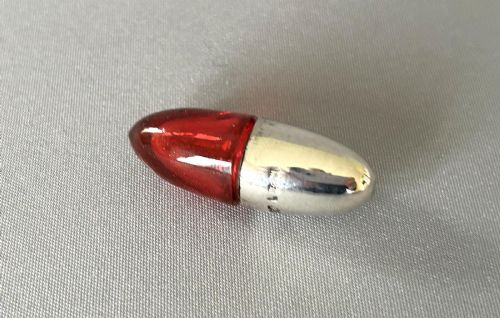
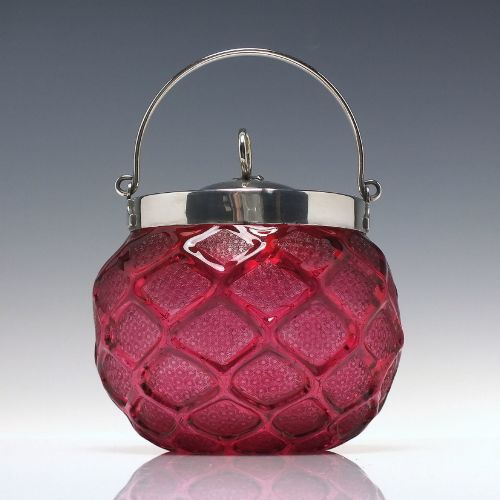
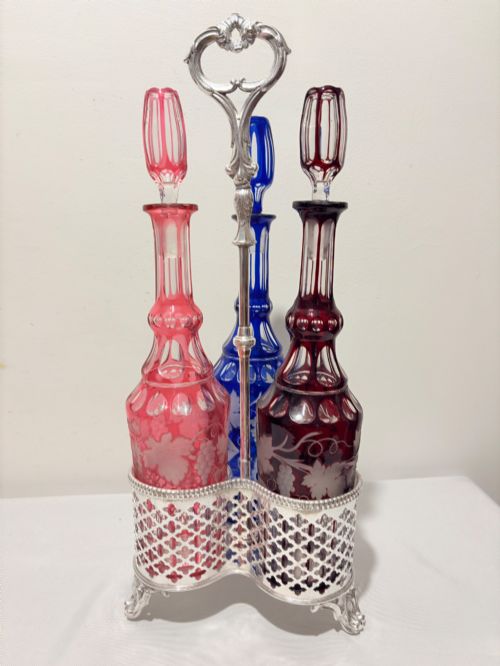
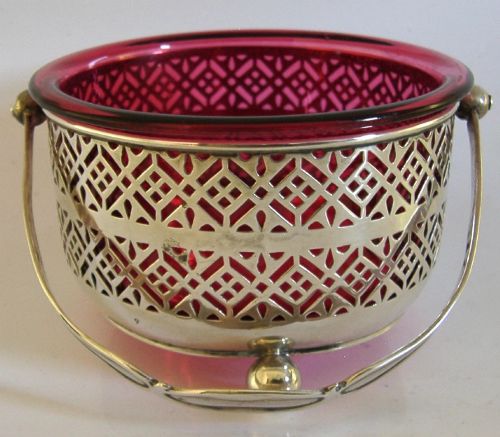
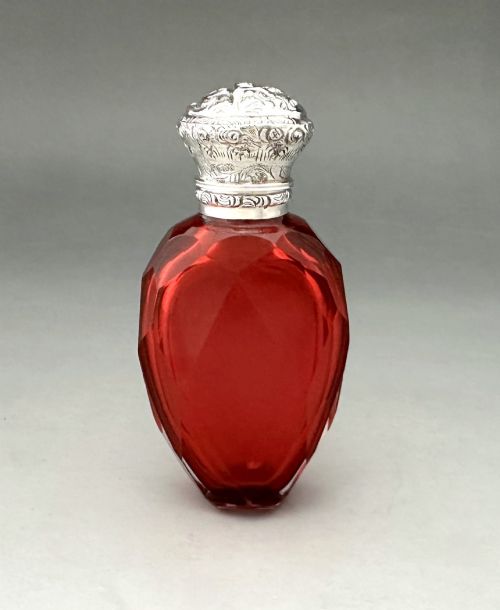
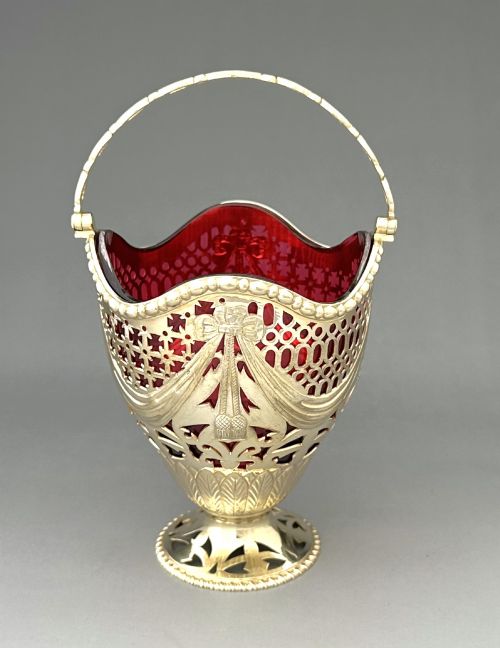
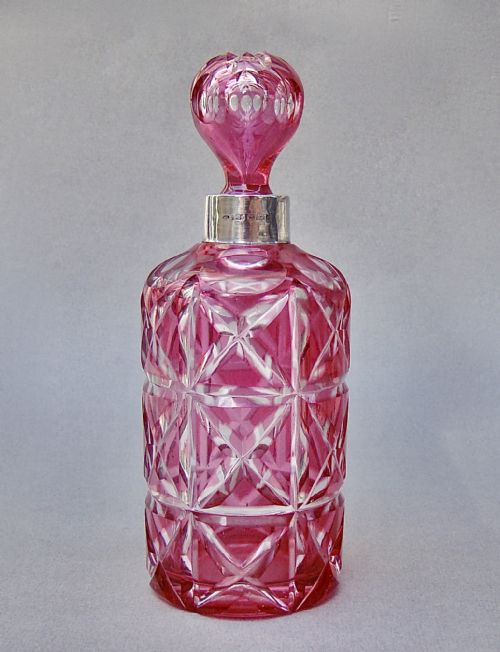
Scent bottles, decanters, and sugar baskets form the core of what appears here. Many of these pieces date from the Victorian and Edwardian eras, spanning the late nineteenth and early twentieth centuries.
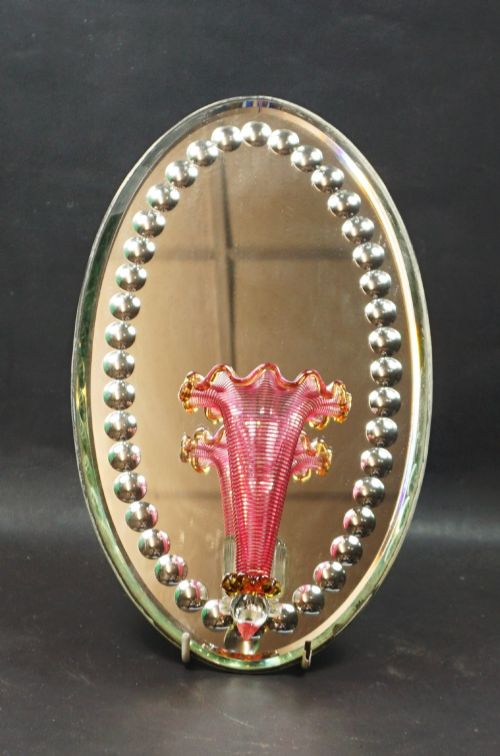
Preserve dishes, biscuit barrels, and small hanging mirrors also feature among the selections. These domestic items demonstrate how metalwork frames and protects coloured glass vessels.
Materials and construction
Glassmakers produced ruby and cranberry glass by adding gold chloride or copper to the molten batch. Artisans then shaped these vessels through blowing, cutting, or moulding to create faceted or smooth surfaces.
Silversmiths constructed mounts, collars, and hinged lids from sterling silver or applied silver plate over base metals. Pierced metalwork, engraving, and cast silver mounts were then secured around the glass bodies.
Silver and Ruby Glass Retail Price Guide 2026
Typical asking prices for silver and ruby glass among the pieces listed under this phrase on Sellingantiques today, from the lower quarter to the upper quarter. They describe what is for sale here now, not the wider market.
Some Victorian scent bottles were cleverly dubbed penny bottles because their compact pocket sizes made them remarkably easy to tuck away.
Assessing quality
Depth of colour and clarity in the glass distinguish individual pieces. Richer tones and heavier metal mountings indicate superior production standards during manufacturing.
The precision of the silver mounts and the intricacy of any cut glass patterns dictate the refinement of the object. Hand-cut facets and heavy-gauge sterling silver represent higher tiers of craftsmanship.
Gorham·Harold Bushell and Co·WMF
The Silver and Ruby Glass Glossary
- Cranberry Glass
- A transparent pinkish-red glass coloured with gold, widely used for Victorian tableware and decorative accessories.
- Silver Plate
- A base metal coated with a thin layer of pure silver, common in Edwardian baskets and cruet frames.
- Silver-Gilt
- Silver that has been coated with a thin layer of gold on its surface, creating a warm golden finish.
- Overlay Glass
- Glass featuring multiple layers of different colours where the outer layer is partially cut away to reveal the contrasting underlayer.
- Sterling Silver
- An alloy consisting of pure silver and other metals, standardised for durability in tableware and vanity items.
Silver and Ruby Glass: Frequently Asked Questions
How do I clean silver and ruby glass?
Wash the glass gently in lukewarm soapy water using a soft cloth, taking care not to submerge vintage mounted pieces for prolonged periods. Polish the metal portions separately with a dedicated silver cloth while avoiding abrasive pastes near the glass.
Keep these items out of direct sunlight and modern dishwashers to preserve the integrity of the coloured glass and the metallic finish.
Were these items used daily?
Many of these objects served specific functions in the Victorian and Edwardian household, from decanting wine to serving preserves at the dining table. Scent bottles were carried in vanity bags or kept on dressing tables for personal fragrance.
Over time, changing domestic habits transformed these functional items into primarily decorative display pieces for cabinets and sideboards.
How do I date a piece?
Examine the style of the silver mounts, as Victorian designs often feature heavy floral chasing while Edwardian pieces lean towards lighter pierced frameworks. Hallmarks stamped into the silver provide official assay office marks and date letters for precise attribution.
Glass manufacturing techniques also offer clues, with hand-blown and cut pieces generally preceding later moulded production methods.
Can I use these decanters for wine?
Antique decanters can still hold liquids provided the interior is thoroughly rinsed and inspected for cleanliness. Many collectors prefer to use them for special occasions or keep them purely for display.
Check that any original glass stoppers fit securely and that silver collars remain firmly attached before pouring.