



Silver and Marcasite
Silver and marcasite jewellery offers the sharp, dark sparkle of faceted pyrite set in cool metal across a century of changing design.
Silver and Marcasite
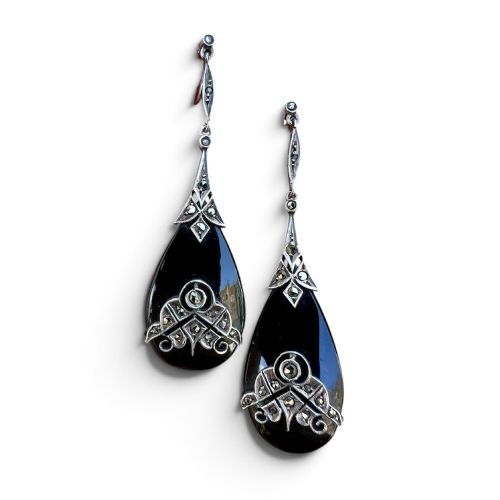
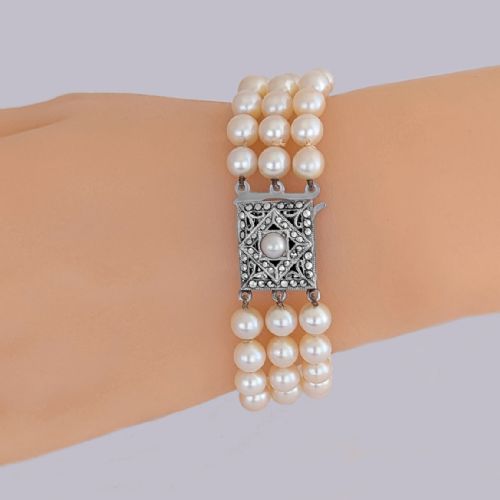
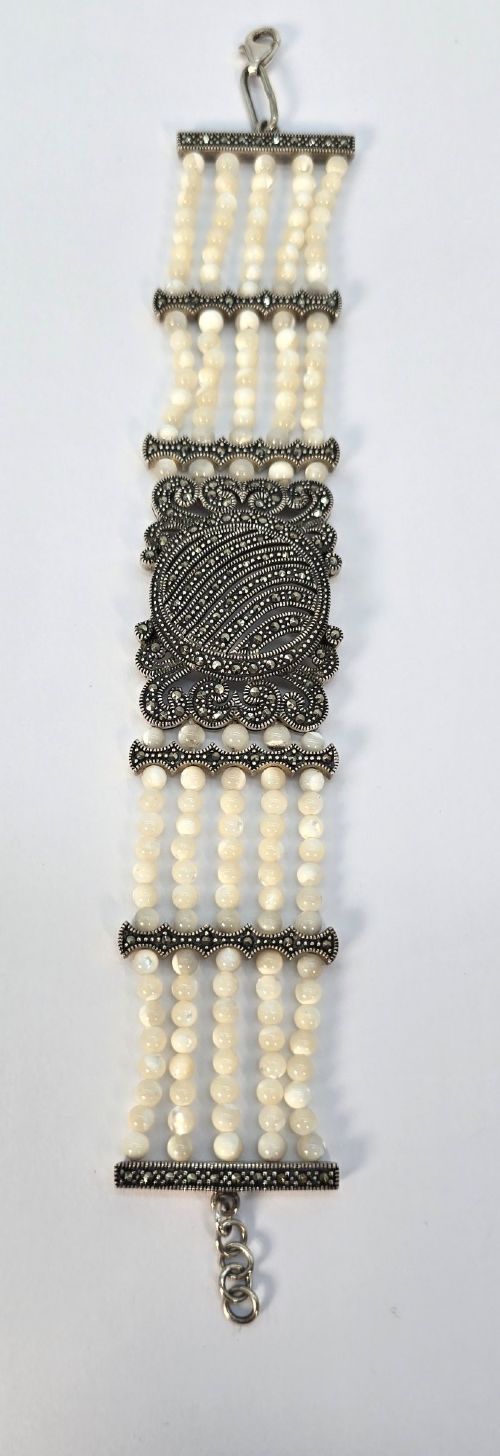
When you search for silver and marcasite, you encounter wearable ornaments spanning Georgian, Victorian, Edwardian, and mid-century eras, with a strong concentration of Art Deco pieces. These items range from screwback earrings and teardrop pendants to snake brooches, double heart brooches, and clasp-fastened pearl bracelets.
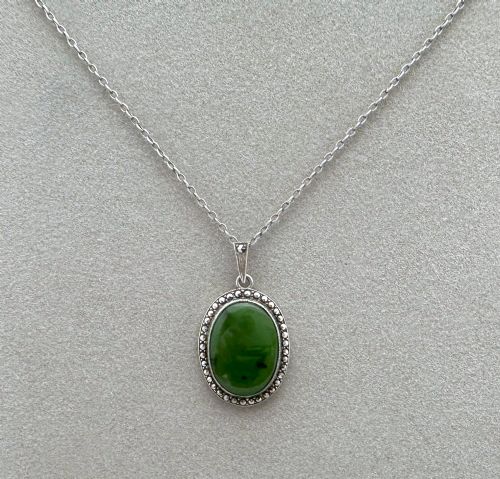
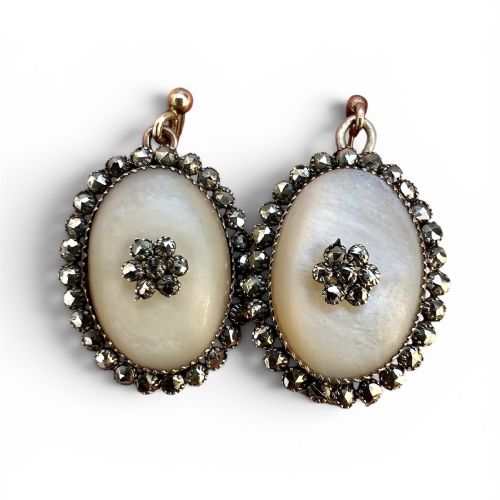
The aesthetic relies heavily on geometric Art Deco compositions, floral motifs, and colourful accents like jade, onyx, chrysoprase, enamel, and mother of pearl. Most examples unite sterling silver or standard silver settings with tightly clustered pyrite crystals that catch the light through flat facets.
Materials and construction
The fundamental construction pairs silver or sterling silver with marcasite, which is actually iron pyrite cut into tiny faceted points and secured closely together. Many pieces enhance this metallic monochrome by incorporating gemstones such as amethyst, zircon, and amazonite, alongside organic materials like mother of pearl and cultured pearls.
Techniques range from standard silver settings to multi-coloured enamel work and gold combinations, as seen in Georgian drop earrings and Art Deco dual-metal earrings. Clasps, screwbacks, and original boxes often accompany these works, showing the functional hardware typical of each period.
Silver and Marcasite Retail Price Guide 2026
Typical asking prices for silver and marcasite among the pieces listed under this phrase on Sellingantiques today, from the lower quarter to the upper quarter. They describe what is for sale here now, not the wider market.
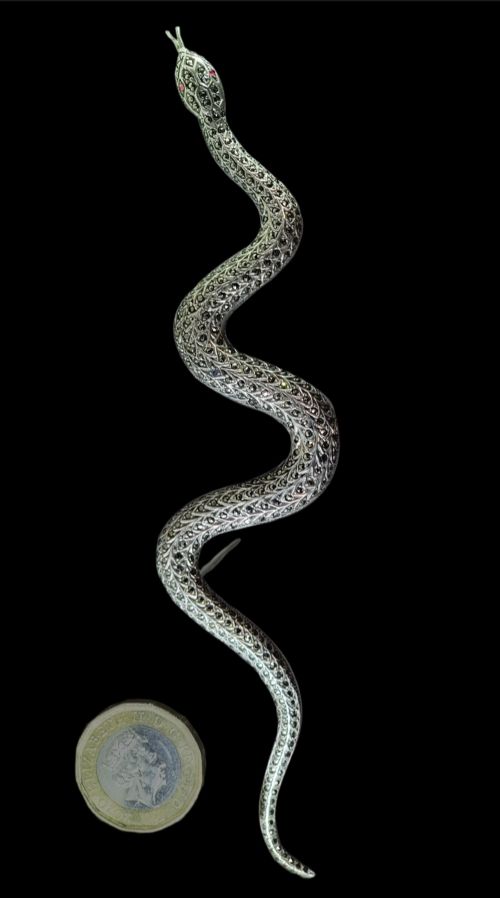
A slithering sterling silver snake brooch keeps eternal watch over the collection, proving that Victorians and the nineteen-twenties had a soft spot for reptiles.
Variations in quality
Quality shows in the precision of the stone setting and the uniformity of the marcasite facets, where tightly fitted pyrites present a continuous metallic shimmer without gaps. The integration of supplementary materials, such as genuine hardstones like jade and chrysoprase or fine enamel work, elevates the ambition of the piece.
Structural integrity of the silver mounts and the survival of secondary elements like pearls, paste stones, or original clasps distinguish superior examples from simpler production. Period context also plays a part, distinguishing hand-finished Georgian or Victorian drops from massed 1930s output.
The Silver and Marcasite Glossary
- Marcasite
- Iron pyrite cut into small, flat-faced stones and polished to create a dark, metallic sparkle when mounted in silver. It has been used for centuries to imitate diamond brilliance.
- Sterling silver
- An alloy of silver containing a fixed proportion of other metals to increase durability while maintaining a bright appearance. It forms the primary metal body for much of this jewellery.
- Chrysoprase
- A gemstone variety of chalcedony containing nickel, displaying a distinct apple-green colour. It frequently appears in Art Deco silver mounts alongside marcasite.
- Screwback earrings
- A type of non-pierced earring fitting that secures to the earlobe using a threaded post and a small turning nut. This mechanism is common on mid-century and Art Deco earrings.
- Intaglio
- A design carved into the top surface of a stone or glass drop, creating a sunken relief. These carvings provide tactile depth to pendants and brooches.
Silver and Marcasite: Frequently Asked Questions
How do I clean silver and marcasite jewellery?
Clean these pieces carefully with a dry microfibre cloth to remove surface dust, avoiding liquid dips or ultrasonic cleaners entirely. Moisture can loosen the glued or set pyrites and dull the silver backing behind them.
Keep the items away from water, perfumes, and cosmetics to protect both the metal finish and any organic elements like mother of pearl or cultured pearls. Gentle spot-cleaning with a soft brush is the safest method for stubborn residue.
Are marcasite stones glued or set?
Historically, marcasite stones in older pieces were individually star-set or grain-set into the metal by hand. Later production sometimes utilised adhesives to secure the tiny faceted pyrites into channels.
Inspecting the surface closely reveals whether the surrounding metal has been pushed over the edges of the stone to hold it securely. Setting method often correlates with the age and manufacturing technique of the item.
How do I date a silver and marcasite piece?
Dating relies on stylistic clues, such as the geometric lines of Art Deco pieces from the nineteen-twenties and thirties, or the naturalistic floral motifs of Edwardian and Victorian items. Hardware like screwback closures or original boxes also helps narrow down the decade of production.
Materials provide further hints, as certain hardstones and enamel techniques align with specific aesthetic movements through the nineteenth and twentieth centuries.
Can I wear these items every day?
While durable enough for occasional wear, these pieces require care due to the delicate nature of small stone settings and older silver structures. Storing them individually prevents the marcasite facets from scratching other items.
Taking them off before swimming, sleeping, or strenuous activity preserves the clasps, pearls, and secondary stones like amethyst or jade from accidental damage.