



Silver and Marcasite Jewellery
Silver and marcasite jewellery brings together gleaming metal and faceted pyrite crystals to catch the light with a dark, metallic sparkle.
Silver and Marcasite Jewellery
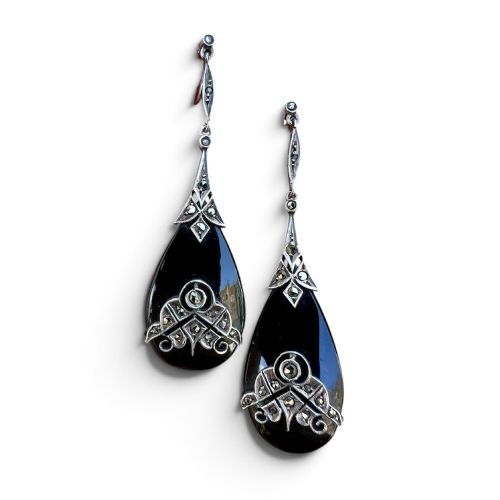
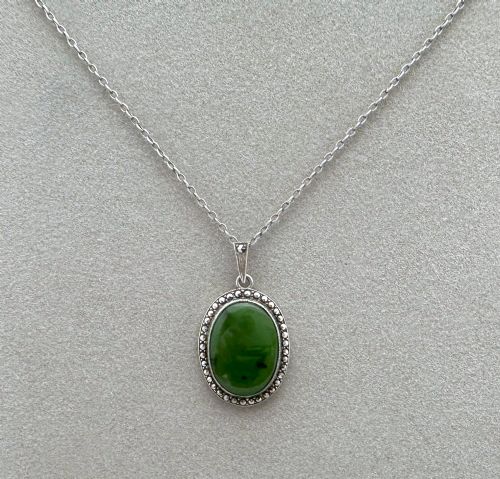
The selection on this page leans heavily toward Art Deco creations from the 1920s and 1930s, alongside earlier Victorian, Edwardian, and Georgian examples. Buyers most frequently meet brooches, earrings, and pendants that combine these glittering stones with coloured gems and enamel.
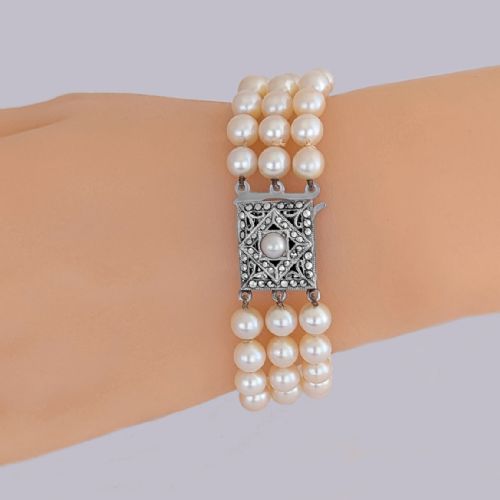
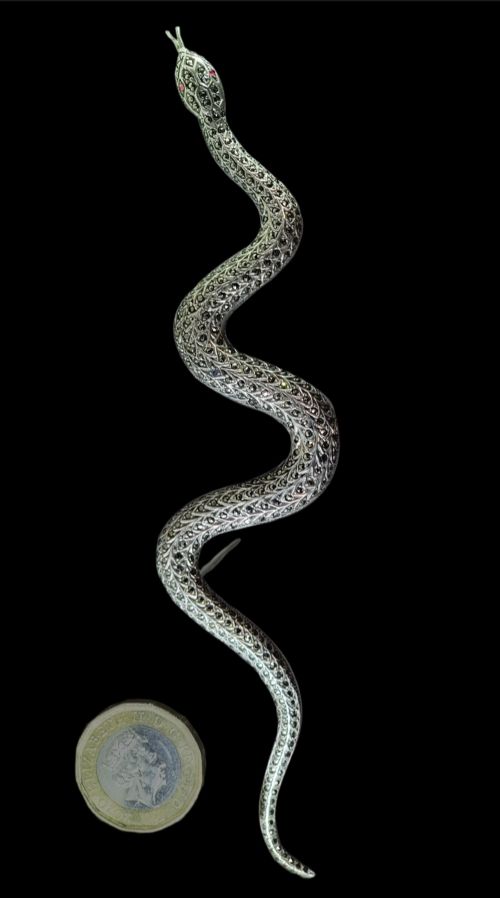
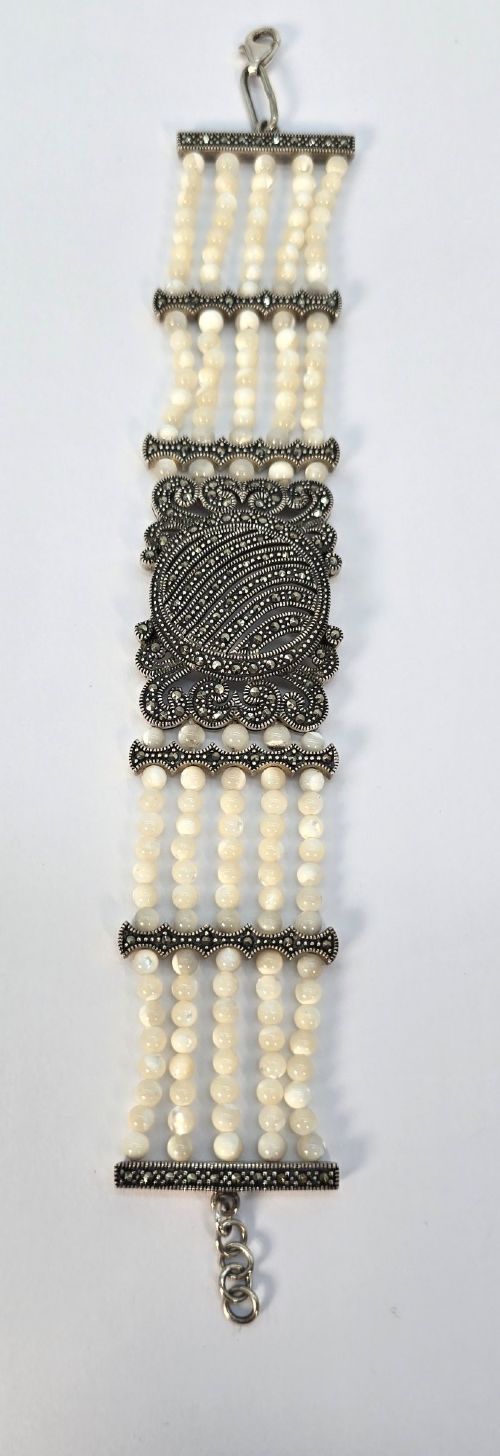
Forms range from floral intaglio drops and snake brooches to multi-strand pearl clasps and teardrop earrings. Each piece relies on the striking contrast between bright silver and the gunmetal sheen of individual marcasite crystals.
How these pieces were made
Makers constructed these items using sterling silver or standard silver as the primary metal framework, often mounting stones into closely packed pavé settings. Individual pyrite crystals were faceted and glued or individually star-set by hand into the metal channel.
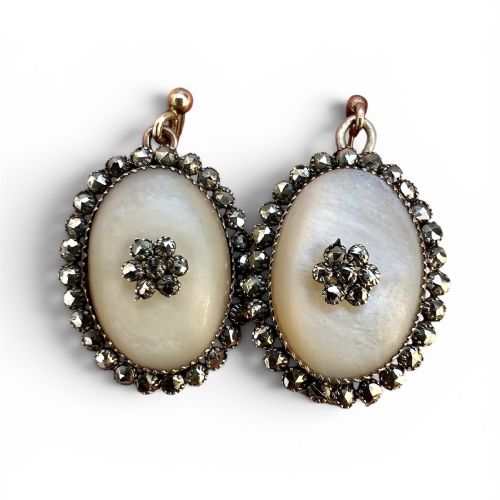
Artisans frequently integrated supplementary materials such as mother of pearl, enamel, jade, onyx, and various coloured stones into the silver framework. Gold highlights and multi-coloured enamel work also appear alongside the characteristic marcasite clusters.
Silver and Marcasite Jewellery Retail Price Guide 2026
Typical asking prices for silver and marcasite jewellery among the pieces listed under this phrase on Sellingantiques today, from the lower quarter to the upper quarter. They describe what is for sale here now, not the wider market.
The listings show periods ranging from the Georgian era through Victorian, Edwardian, and the 1950s, with a strong concentration of Art Deco pieces.
What varies in quality
The standard of execution in silver and marcasite jewellery depends largely on the precision of the stone setting and the crispness of the metalwork. Pieces featuring securely faceted pyrite stones tightly clustered without excessive exposed adhesive demonstrate superior craftsmanship.
Design complexity and the integration of superior companion materials like jade, chrysoprase, or detailed enamel work elevate a piece above simpler stamped metal items. The inclusion of original fitted boxes and secure clasps also distinguishes finer examples from everyday surviving items.
The Silver and Marcasite Jewellery Glossary
- Marcasite
- Pyrite mineral crystals cut with multiple flat facets and polished to produce a dark, metallic sparkle when set into jewellery. These stones are typically glued or claw-set into silver mounts.
- Pavé
- A setting technique where small stones are positioned closely together with minimal visible metal, creating a continuous surface of sparkle. This method is common in older marcasite and diamond work.
- Intaglio
- A design carved into the flat or curved surface of a gemstone or glass drop, creating a sunken image rather than a raised relief. These carved elements often form the focal point of pendants and earrings.
- Chrysoprase
- A gemstone variety of chalcedony containing nickel, known for its apple-green colour. It appears in twentieth-century jewellery alongside silver and dark stones.
Silver and Marcasite Jewellery: Frequently Asked Questions
How do I clean silver and marcasite jewellery?
Cleaning requires a soft, dry cloth to gently wipe the silver and stones without introducing moisture. Liquid dips should be avoided because fluid loosens the adhesive holding individual pyrite crystals in their channels.
Keeping moisture away preserves the dark metallic finish of the stones and prevents the silver backing from tarnishing prematurely. Regular dusting with a microfibre cloth maintains the intended shine safely.
Are marcasite stones actual diamonds?
Marcasite stones are faceted iron pyrite rather than diamonds or cut steel. They provide a softer, gunmetal grey reflection rather than the brilliant white fire associated with diamonds.
Historically, artisans utilised pyrite as an accessible alternative to gemstones, valuing the material for its distinctive dark metallic lustre. The stones catch light differently due to their opaque, metallic composition.
How can I date an Art Deco piece?
Art Deco items typically display geometric symmetry, clean lines, and stylised floral motifs characteristic of the 1920s and 1930s. Screwback earring fittings and specific clasp types also offer clues regarding the manufacturing decade.
Examining the reverse of a brooch or pendant often reveals construction methods typical of the interwar period. The combination of marcasite with modern materials like synthetic coloured stones further supports a 1920s or 1930s attribution.
Can I wear these items every day?
Daily wear is possible with careful handling, though older pieces require mindfulness regarding moisture and physical impact. Earrings, necklaces, and pendants generally experience less friction than rings or bracelets during routine activities.
Removing jewellery before washing, exercising, or sleeping protects the delicate stone settings from loss or damage. Storing each piece in a separate compartment prevents scratching between items.