



Silver and Brass Holder
These silver and brass holder items span centuries of metalwork, offering practical utility and period design for the discerning collector.
Silver and Brass Holder
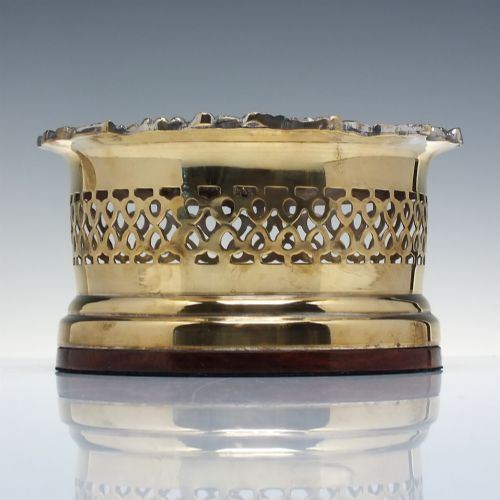
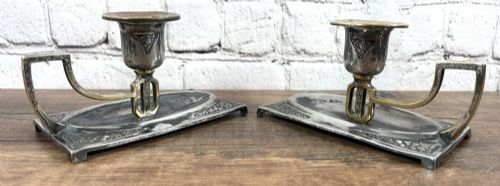
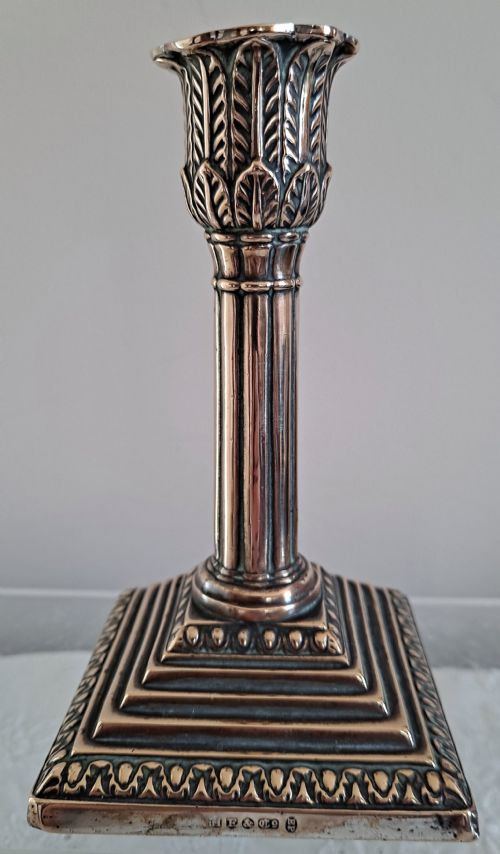
A silver and brass holder encompasses items designed for lighting and desk use, such as candlesticks, chambersticks, and inkwells. Buyers searching for a silver and brass holder will encounter various forms from the eighteenth, nineteenth, and early twentieth centuries.
The most common examples on this page are candlesticks and chambersticks fashioned from bell metal, paktong, and plated metals. These pieces reflect Georgian, Victorian, and Edwardian domestic habits.
Desk accessories and condiment holders also appear alongside lighting equipment. Each object serves a functional role within historic domestic interiors.
Manufacturing and Materials
Maker construction relies on metals such as brass, bell metal, copper, and paktong, shaped through casting and hammering techniques. Plated items utilise base metals coated with silver or Old Sheffield plate.
Wirework and mixed metal components provide structural support and decorative contrast in desk accessories and stands. These manufacturing methods reflect the technological developments of each respective period.
Silver and Brass Holder Retail Price Guide 2026
Typical asking prices for silver and brass holder among the pieces listed under this phrase on Sellingantiques today, from the lower quarter to the upper quarter. They describe what is for sale here now, not the wider market.
Listings feature items spanning the eighteenth century through the 1930s, constructed from bell metal, paktong, and silver plate.
Assessing Quality and Execution
Quality in a silver and brass holder rests upon the crispness of casting detail and the integrity of the original metal surface. Heavier gauge metalwork and proportional balance distinguish superior examples from standard production.
The preservation of plating layers and patination influences the character of each piece. Superior items retain their original fittings and structural components without excessive modern intervention.
WMF·Elkington
The Silver and Brass Holder Glossary
- Paktong
- A copper, nickel, and zinc alloy originating from China, utilised in eighteenth-century British metalwork for its bright appearance. It mimics silver while offering greater durability.
- Bell metal
- A hard alloy of copper and tin traditionally used for casting bells, applied here to produce resonant and durable candlesticks. It develops a deep, dark patination over time.
- Old Sheffield Plate
- A composite material formed by fusing a thin sheet of silver to a thicker copper base. This technique preceded modern electroplating and remains visible at cut edges.
- Chamberstick
- A portable candlestick featuring a wide drip pan and a loop handle, designed for carrying through a house. These items often include a small socket for a conical snuffer.
- Tantalus
- A locking wooden frame holding decanters visible yet secured from unauthorized access. The design prevents pouring while displaying the bottles within.
Silver and Brass Holder: Frequently Asked Questions
What is a chamberstick used for?
A chamberstick provided portable illumination for lighting a path through dark corridors or up staircases in historic homes. The wide saucer caught dripping wax while the handle allowed secure transport.
Many examples include a small conical snuffer resting in a clip to extinguish the flame safely.
How do I distinguish paktong from brass?
Paktong contains nickel, which gives the metal a cooler, more silvery or greyish tone compared to the golden hue of traditional brass. It was an expensive import during the eighteenth century.
Examining the unpolished undersides often reveals this distinct metallic colour.
What is Old Sheffield Plate?
Old Sheffield Plate is an early form of plated metal created by thermally fusing silver onto a copper core before shaping. This method produces a rich depth that differs from later electroplated wares.
Examining the edges can sometimes reveal a subtle line where the copper base shows through.
How do I care for antique metal holders?
Antique metal holders require minimal intervention to preserve their historic patination and surface character. Avoid aggressive chemical cleaning that strips the aged finish.
Dusting with a soft cloth is generally sufficient for daily maintenance.