



Silver Albert Chain Pendant
A silver albert chain pendant is a repurposed watch chain or fob that carries heavy historic links into modern wear.
Silver Albert Chain Pendant
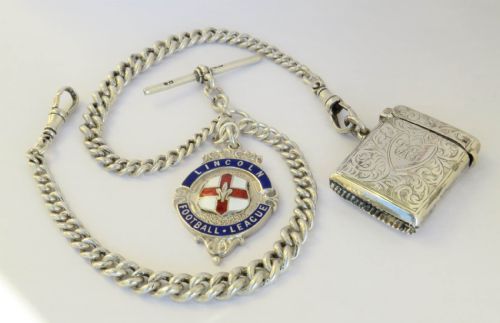
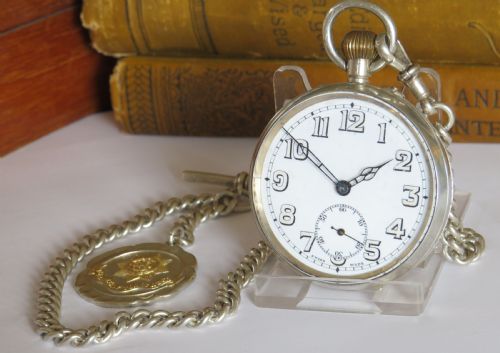
When you search for a silver albert chain pendant, you encounter pieces originating primarily from the Victorian and Edwardian eras, spanning the late nineteenth century through to the nineteen forties. These items typically derive from traditional pocket watch chains, watch fobs, and vesta cases rather than jewellery manufactured originally as pendants.
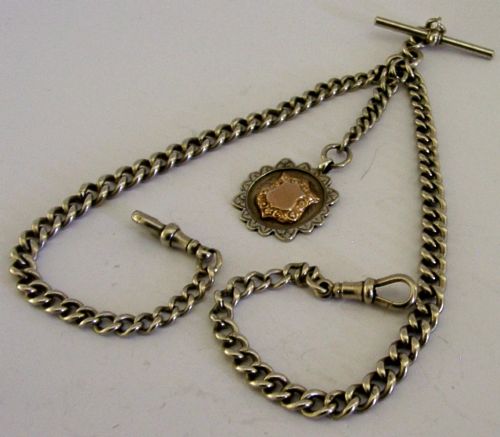
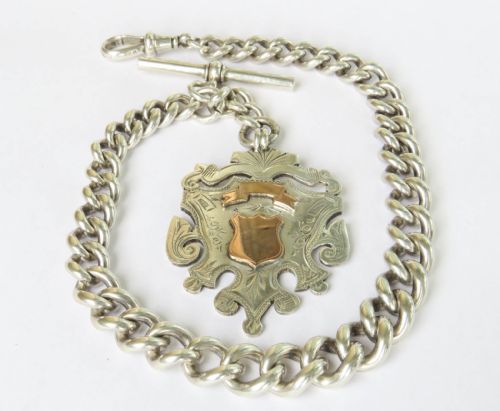
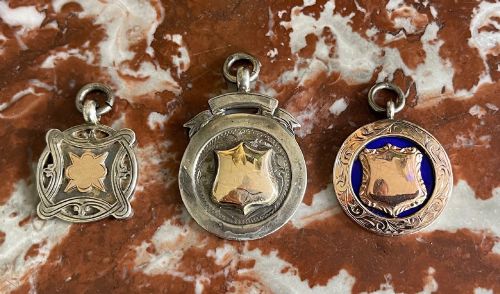
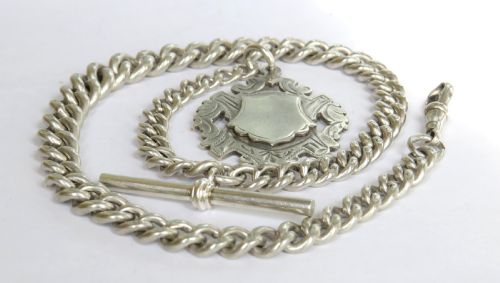
The most common forms on this page include uniform curb link chains equipped with dog clips and t-bars, alongside decorative seal fobs and novelty items like dart board pendants. Materials range from solid sterling silver to pieces incorporating enamel, glass, and gold accents.
Origins stretch across the nineteenth century into the nineteen twenties and forties, reflecting domestic British manufacturing, with Birmingham hallmarking appearing specifically on watch fob collections.
How they were made
The construction relies heavily on solid sterling silver, shaped into uniform curb links or heavier duty configurations designed originally to secure pocket watches to waistcoats. Artisans incorporated functional elements such as double dog clips, swivel connectors, and t-bars directly into the assembly of these wearable pieces.
Surface decoration and contrast arrived through applied enamel work, gold accents, and detailed metal engraving on items like seal fobs and novelty items such as darts board designs.
Silver Albert Chain Pendant Retail Price Guide 2026
Typical asking prices for silver albert chain pendant among the pieces listed under this phrase on Sellingantiques today, from the lower quarter to the upper quarter. They describe what is for sale here now, not the wider market.
Materials recorded across the inventory include sterling silver, enamel, gold, glass, and gold accents.
What varies in quality
Quality rests in the substantial weight of the silver links and the crispness of the original hallmarks stamped into the metal. Finer examples retain robust mechanisms within their dog clips and crisp detail in the engraving on fobs and shields.
Pieces that integrate additional materials like coloured enamel or gold accents display greater complexity of design, distinguishing standard utility watch chains from more decorative pendant conversions.
The Silver Albert Chain Pendant Glossary
- Albert chain
- A type of watch chain worn by men in the Victorian and Edwardian periods, attached to a pocket watch and secured through a buttonhole with a t-bar. These chains now frequently serve as necklaces.
- Dog clip
- A spring-loaded snap hook attached to the end of a watch chain, used to secure a pocket watch or pendant. They provide a reliable fastening method.
- T-bar
- The crossbar component attached to the centre of an albert chain designed to slide through a waistcoat buttonhole. It hangs visibly when the chain is worn as a pendant.
Silver Albert Chain Pendant: Frequently Asked Questions
What is a silver albert chain pendant?
A silver albert chain pendant is an antique pocket watch chain or fob adapted to be worn around the neck as a necklace.
These pieces retain their original functional components, including dog clips and t-bars, which lend them a distinct industrial and historic character.
How do I wear an albert chain as a pendant?
You can wear the chain draped with the dog clip and t-bar functioning as central decorative elements at the front of the neck.
Many wearers attach a separate antique seal fob or enamel medallion to the dog clip to create a heavier focal point.
Are these pieces solid silver?
The listings on this page consist primarily of solid sterling silver and standard silver constructions, often bearing historical hallmarks.
Some examples also incorporate contrasting materials such as gold accents, glass, and coloured enamel work.
From which periods do these pieces originate?
The items originate mainly from the Victorian and Edwardian eras, spanning from the eighteen eighties through to the nineteen twenties and nineteen forties.
Specific production dates recorded in the evidence include the late nineteenth century and years such as eighteen ninety-nine, nineteen ten, and nineteen twenty.