


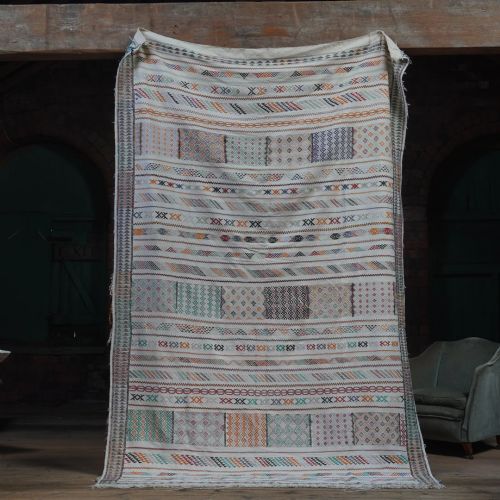

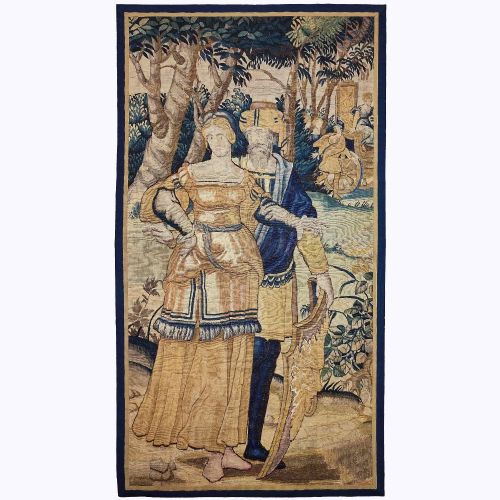
Silk Textile Hanging
A silk textile hanging brings texture and historic depth to a room through centuries of woven and embroidered artistry.
Silk Textile Hanging
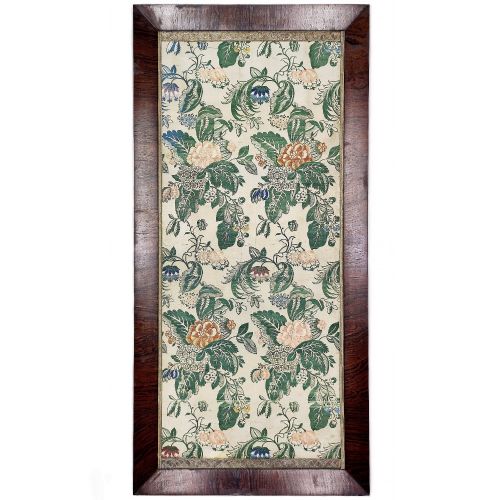
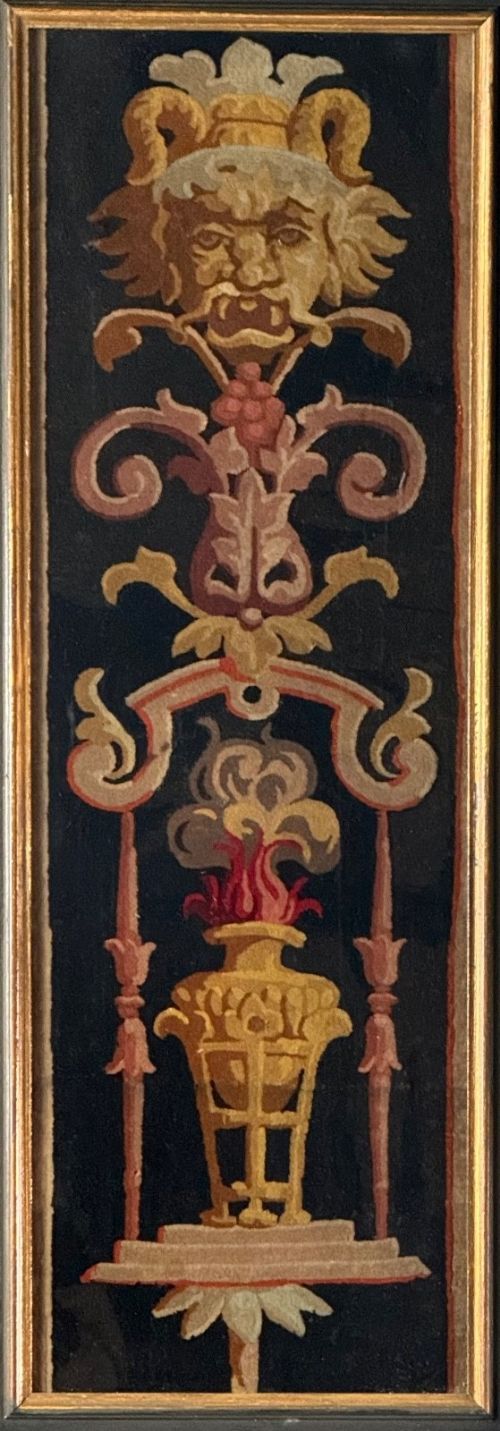
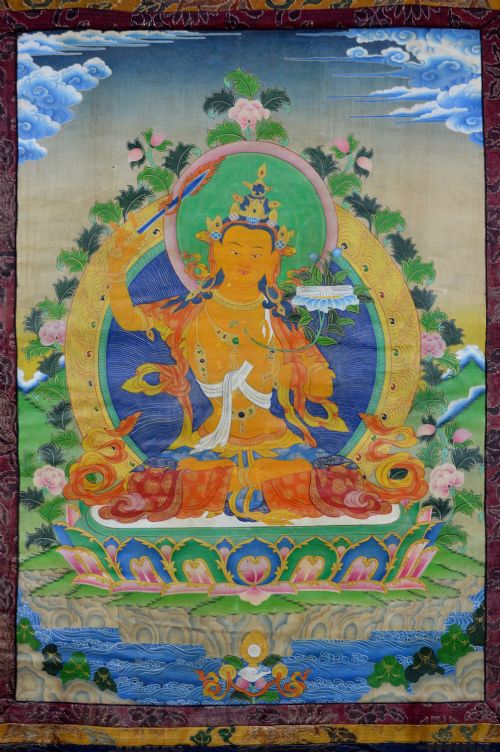
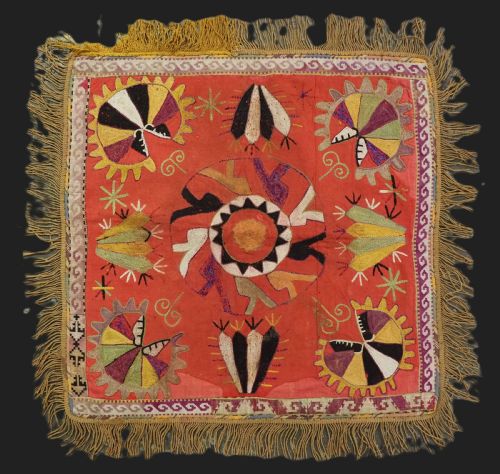
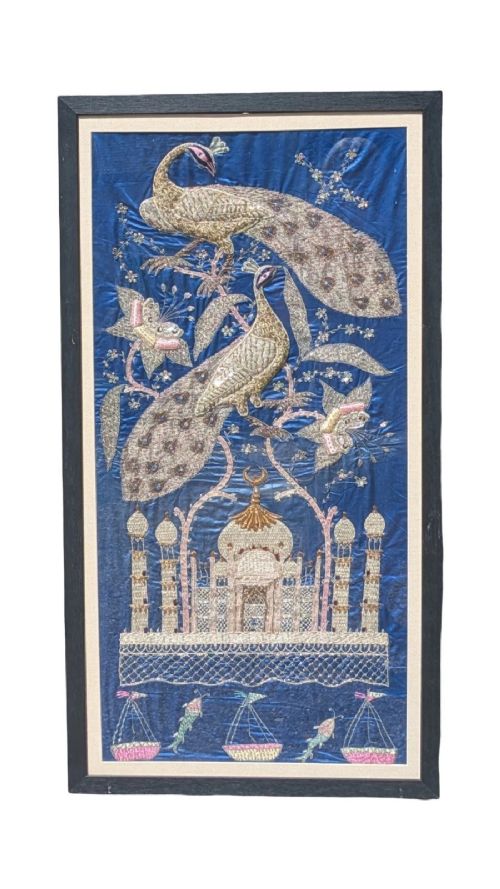
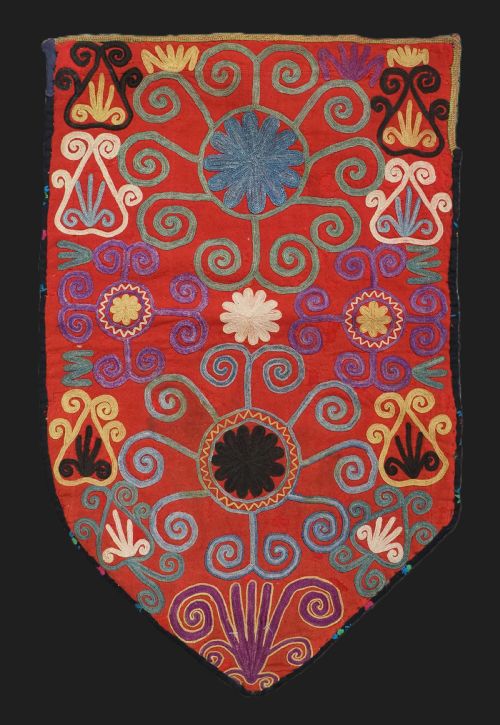
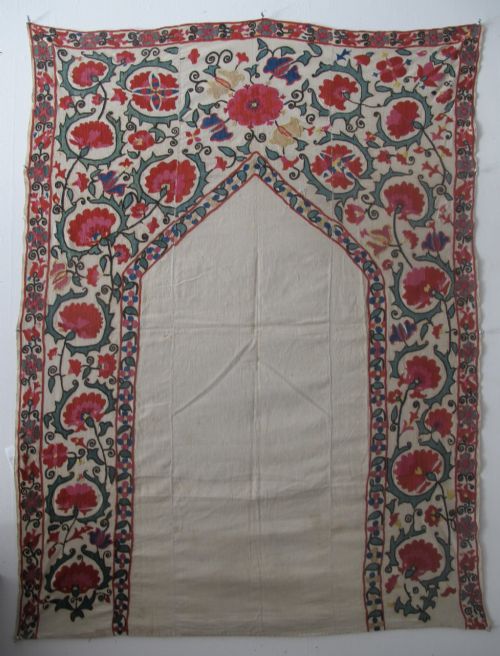
A silk textile hanging encompasses diverse wall-mounted works ranging from Central Asian suzanis and tribal dowry embroideries to European tapestries and framed panels. These pieces serve as historic focal points that transform interior spaces through intricate pattern and textile craft.
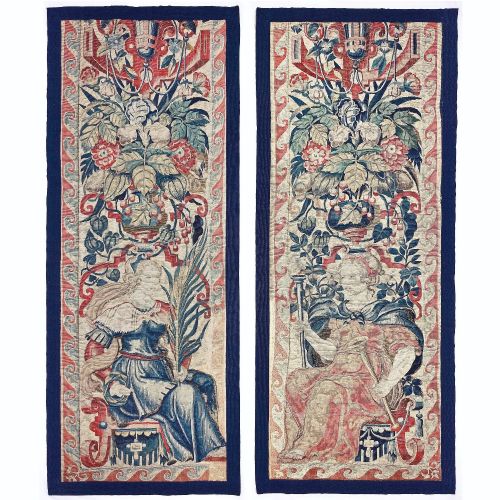
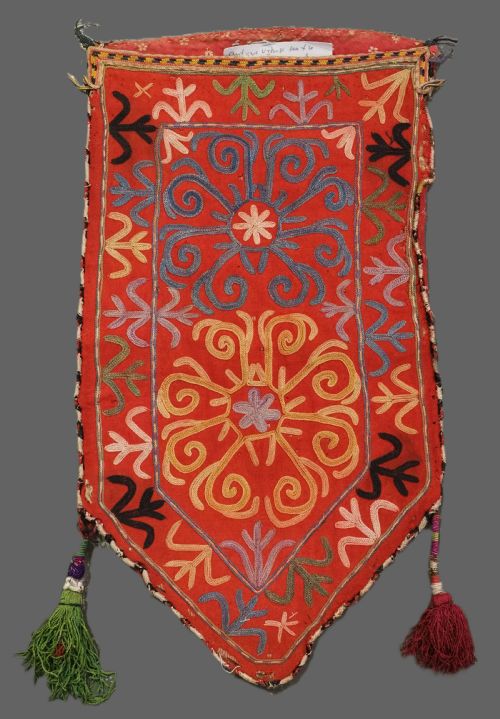
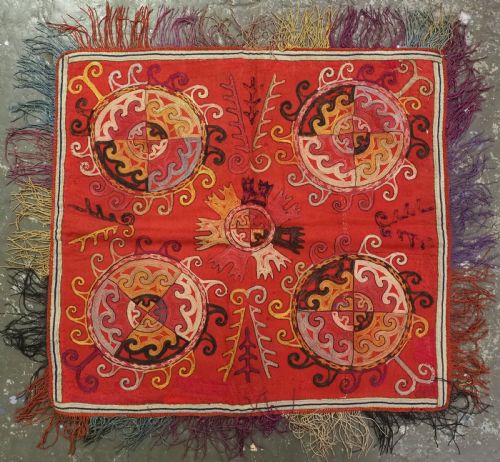
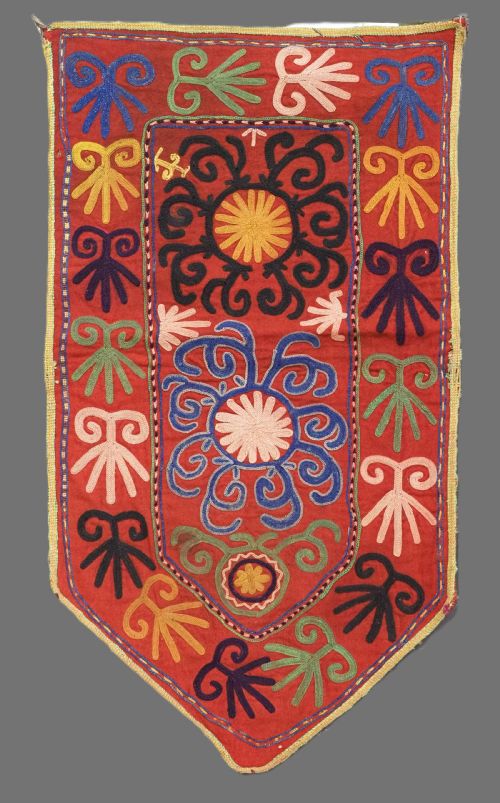
Buyers frequently encounter Central Asian tribal embroideries, such as Uzbek ilgich panels, alongside seventeenth-century Flemish tapestries and eighteenth-century French Aubusson weaves. Such items originate from domestic, ceremonial, or workshop traditions across Europe and Asia.
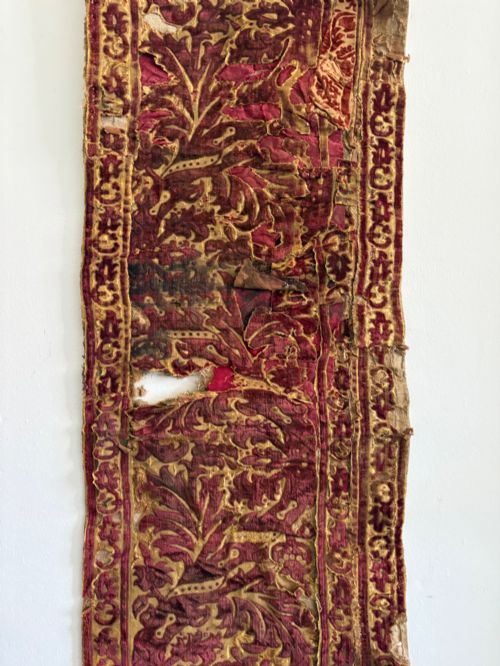
The category spans multiple centuries, including sixteenth-century fragments, nineteenth-century ikat panels, and later vintage framed works. Each period brings distinct regional motifs, structural forms, and material combinations to the wall hanging format.
Evaluating quality and condition
Quality rests upon the fineness of the stitchwork, the complexity of the design layout, and the structural integrity of the base material. Tightly executed needlework and well-balanced compositions indicate superior workshop or tribal execution.
Preservation of original dyestuffs, minimal ground fabric degradation, and the retention of early metallic threads distinguish finer examples. The visual impact depends heavily on how completely the historic panel survives without excessive later restoration.
Silk Textile Hanging Retail Price Guide 2026
Typical asking prices for silk textile hanging among the pieces listed under this phrase on Sellingantiques today, from the lower quarter to the upper quarter. They describe what is for sale here now, not the wider market.
Certain Central Asian dowry pieces were made to adorn horses during wedding processions before finding a permanent second life on interior walls.
The Silk Textile Hanging Glossary
- Suzani
- An embroidered tribal wall hanging or domestic textile originating from Central Asia, typically worked in silk on a cotton or linen ground with large floral motifs.
- Ikat
- A dyeing technique where yarn is resist-dyed prior to weaving, producing characteristic feathered pattern edges across fabric panels.
- Tapestry
- A form of textile art woven by hand on a loom, featuring pictorial or decorative designs created through coloured weft threads.
- Torba
- A small storage bag or trapping produced by Turkmen and related tribal groups, often featuring embroidered faces and silk highlights.
- Verdure
- A type of tapestry featuring a dominant landscape theme filled with foliage, trees, plants, and occasionally animals.
Silk Textile Hanging: Frequently Asked Questions
How do I hang a fragile textile safely?
Historic textiles require weight distribution across the entire top edge rather than single suspension points. Using a fabric sleeve stitched to the reverse or mounting the piece within a glazed frame prevents fibre distortion.
Direct sunlight and high humidity cause fading and fibre breakdown over time. Positioning the hanging away from bright windows ensures the silk and metallic threads retain their integrity.
What is the difference between a suzani and a tapestry?
Suzanis are embroidered panels created by applying needlework directly onto a woven foundation fabric. They typically display bold botanical and medallion motifs originating from Central Asian domestic traditions.
Tapestries are woven structural textiles where the design is built into the fabric during the loom process itself. European workshops produced these pictorial scenes using interlocking weft threads rather than surface embroidery.
How can I date an antique textile hanging?
Dating relies on stylistic motifs, regional colour palettes, and the specific structural techniques characteristic of particular eras. Examining the types of dyes and base fabrics helps narrow the period of origin.
Comparison with documented examples from workshops or tribal groups provides further chronological context. Tracing provenance records assists in confirming the century of production.
Can these textiles be cleaned?
Surface dust can be gently removed using low-suction vacuum techniques through a protective mesh screen. Professional textile conservators should handle any wet cleaning or major stain removal.
At-home washing risks shrinking the ground fabric, bleeding natural dyes, or destroying fragile silk embroidery threads. Specialist care preserves the physical stability of older panel pieces.