



Silk Floral Textile
When choosing a silk floral textile, you examine historical wall hangings and needlework panels that bring rich texture and botanical motifs into modern rooms.
Silk Floral Textile
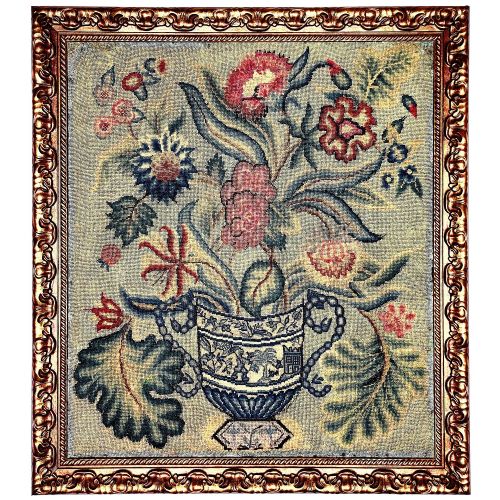
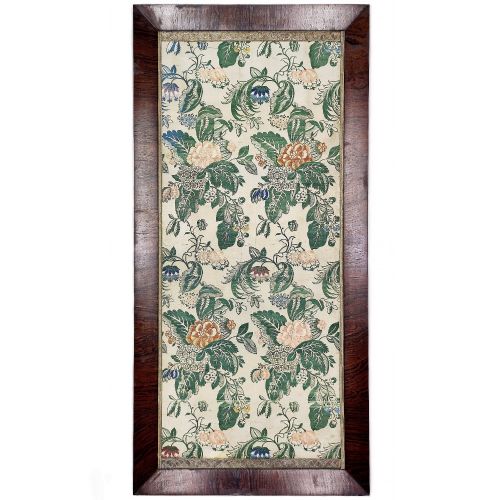
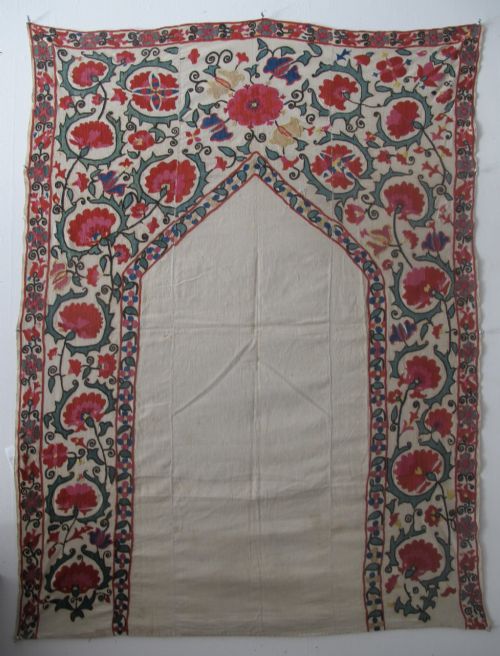
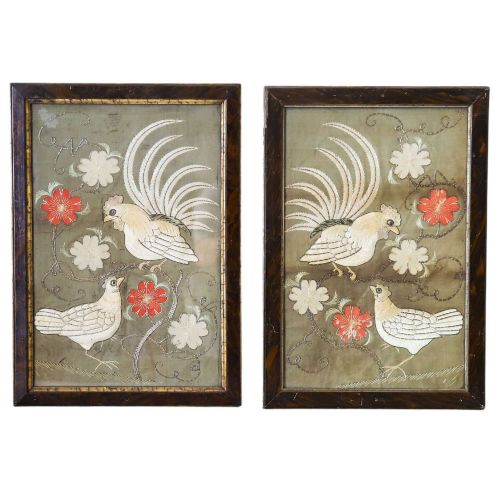
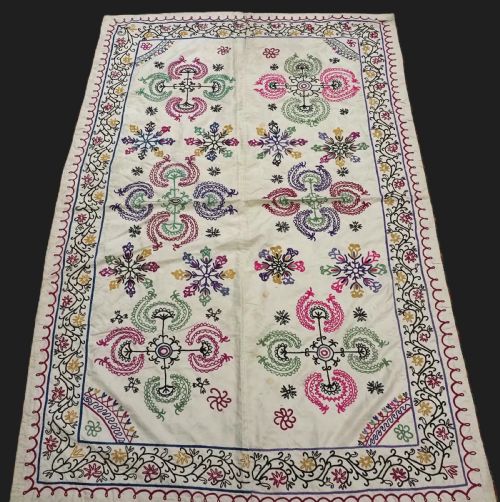
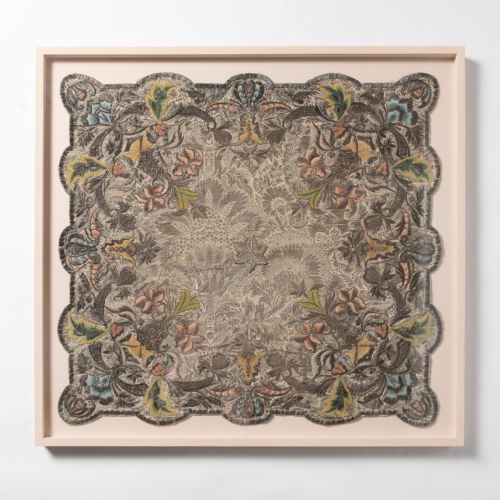
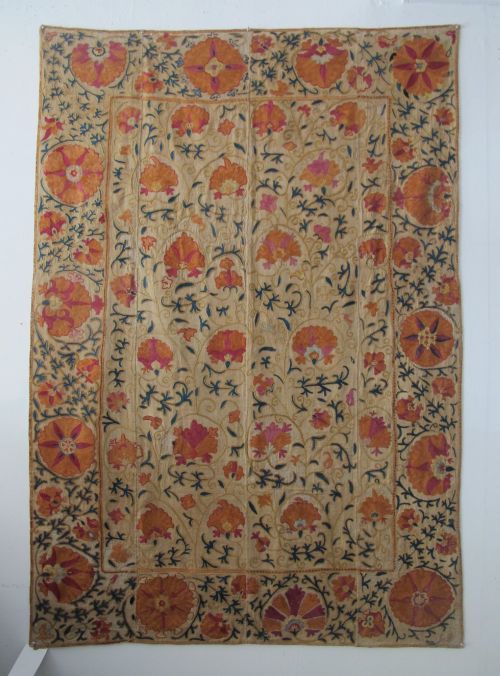
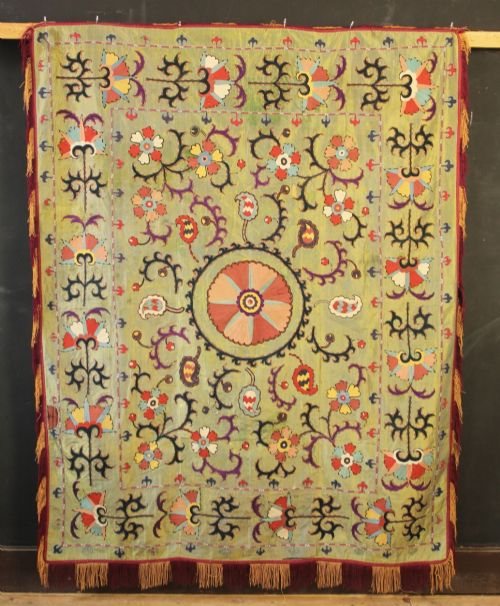
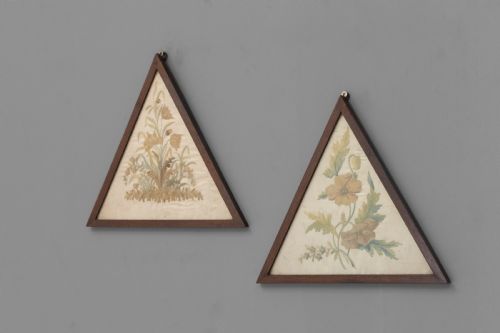
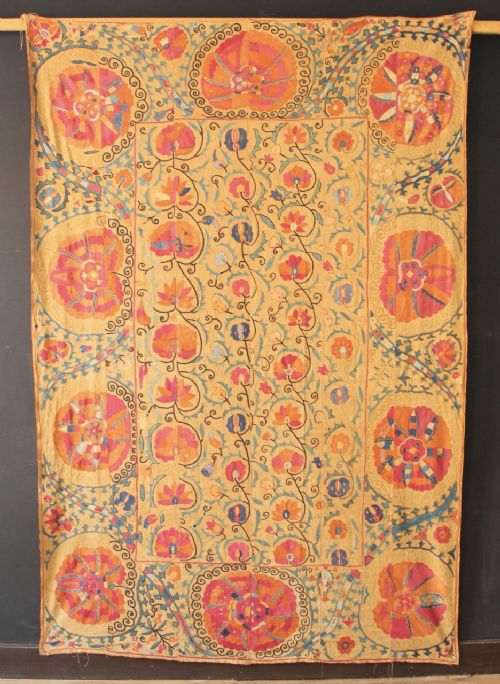
A silk floral textile encompasses a diverse range of historical needlework, wall hangings, and embroidered panels spanning the eighteenth through the twentieth centuries. The selection centres heavily on Central Asian suzanis from regions such as Bokhara and Uzbekistan, alongside English needlework pictures and French silk pieces.
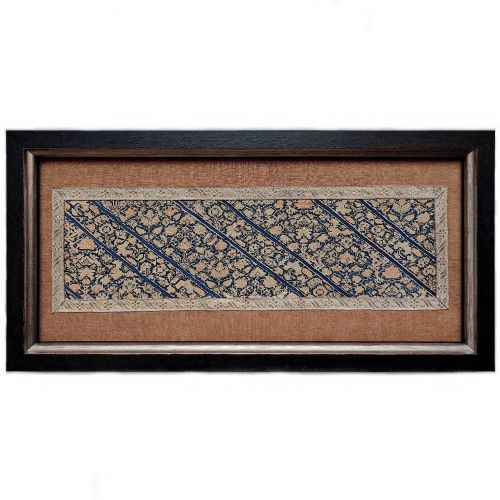
Buyers encounter everything from large medallion suzanis on cotton grounds to framed eighteenth-century English floral compositions and Chinese embroidered garden panels. These items function primarily as wall art, decorative textiles, and cushion covers, preserving centuries of diverse regional craftsmanship.
How they were made
Makers utilised silk threads, often dyed in vibrant botanical hues, stitched meticulously onto supporting grounds of cotton, linen, wool felt, or wood-framed structures. Techniques range from intricate silk embroidery and applique work on Persian Rasht panels to ciselé silk velvet and complex needlework pictures.
Regional variations dictate the construction methods, such as the distinctive silk-on-silk stitching found in specific Central Asian suzanis or the woven lampas and velvet techniques seen in eighteenth-century European lengths.
Silk Floral Textile Retail Price Guide 2026
Typical asking prices for silk floral textile among the pieces listed under this phrase on Sellingantiques today, from the lower quarter to the upper quarter. They describe what is for sale here now, not the wider market.
Materials recorded across the inventory include silk, cotton, wool, linen, velvet, and wood-framed glass panels.
What varies in quality
The standard of a silk floral textile rests upon the precision of the needlework, the complexity of the design layout, and the preservation of the delicate materials. Pieces displaying dense, finely executed stitching and balanced floral compositions demonstrate superior artisan skill compared to simpler, coarser variants.
The integrity of the ground fabric, whether cotton, felt, or velvet, significantly influences the overall condition and visual impact of the textile panel.
The Silk Floral Textile Glossary
- Lampas
- A complex woven textile technique involving warp and weft threads that create rich patterned designs, frequently observed in eighteenth-century European lengths. This method produces a raised, textured surface.
- Ciselé velvet
- A velvet fabric where the pile is cut in certain areas and left uncut in others to form a pattern. This technique creates a varied, tactile texture often utilised in historical hangings.
- Rasht embroidery
- A traditional Persian textile craft utilising inlaid wool felt and fine silk applique work. These panels typically showcase intricate floral motifs on bold coloured grounds.
- Needlework picture
- A framed historical textile composition stitched by hand using wool, silk, or linen threads. Such works frequently interpret baroque or traditional pastoral tastes.
Silk Floral Textile: Frequently Asked Questions
How were suzanis originally used?
Central Asian suzanis served as ceremonial wall hangings, covers, and dowry items within nomadic and urban households.
Families displayed them on special occasions, reflecting regional artistic traditions and botanical symbolism.
Can antique textiles be hung on walls?
Yes, many of these pieces are mounted on frames or supported by fabric backings for safe wall display.
Proper mounting distributes the weight evenly across the silk and ground material to prevent sagging.
How do I care for silk embroidery?
Keep delicate silk textiles away from direct sunlight to prevent the natural dyes from fading over time.
Dust them gently with a soft brush and avoid exposing them to high humidity.
What defines a nim suzani?
A nim suzani refers to a smaller or half-sized version of the traditional Central Asian embroidered cover.
These compact formats typically feature similar floral medallion layouts as their larger counterparts.