






Silk Fabric Wall Hanging
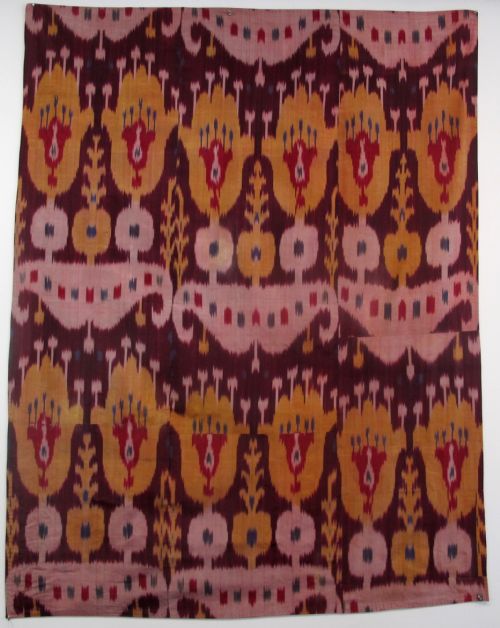
These silk fabric wall hanging examples bring textile art, embroidery and ikat panels into a room with texture and history.
Silk Fabric Wall Hanging
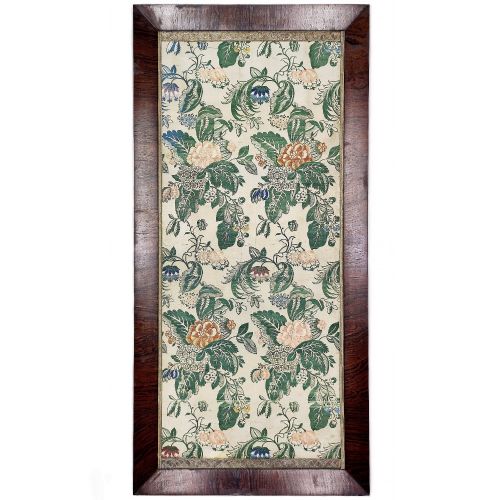
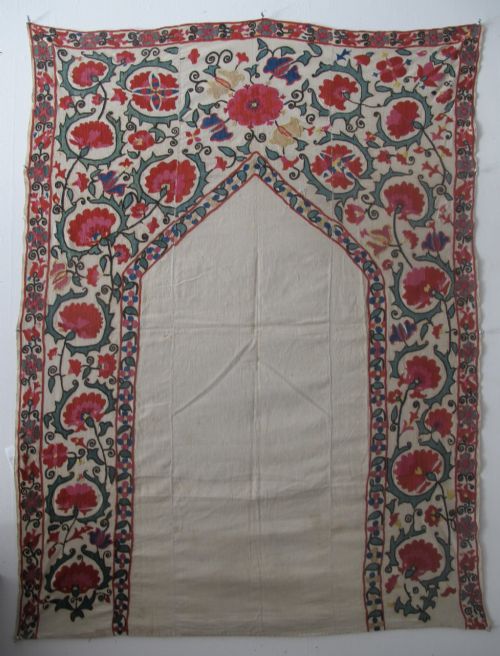
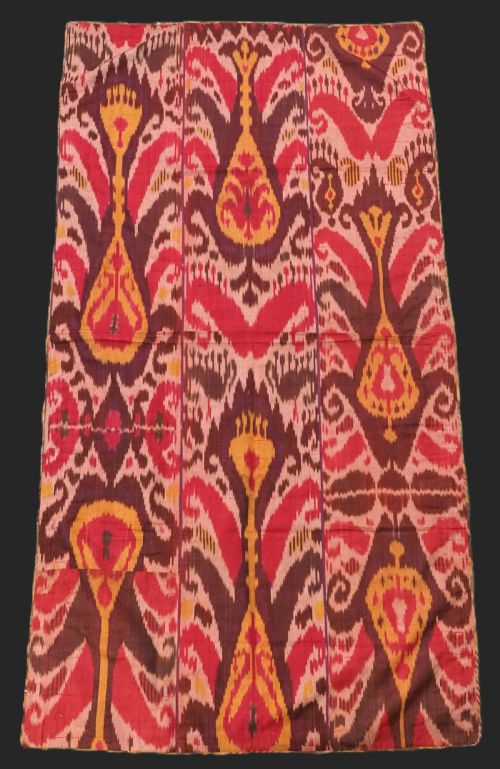
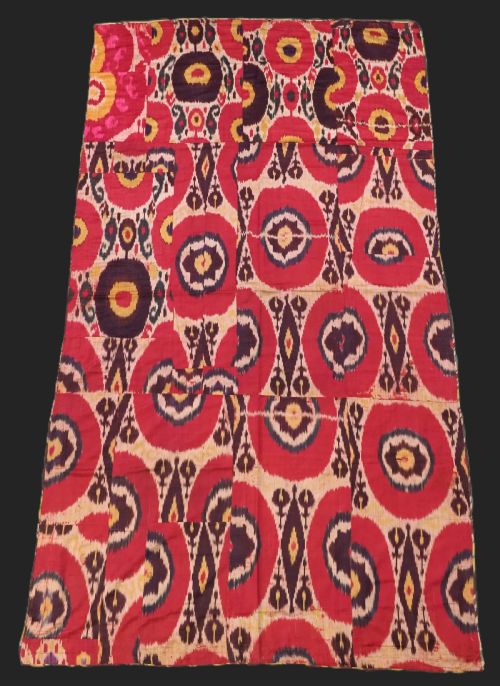
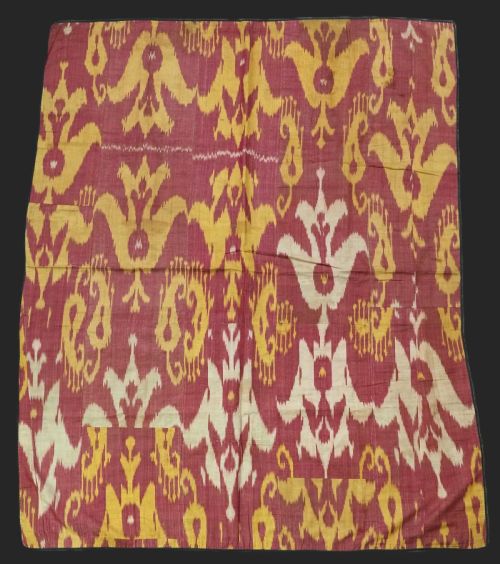
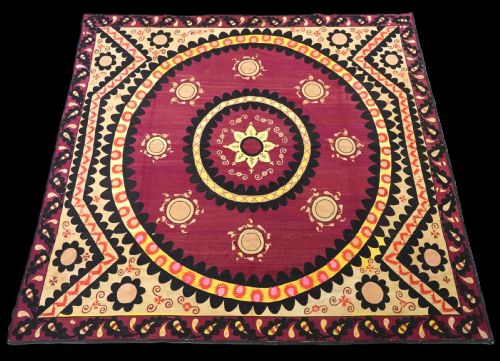
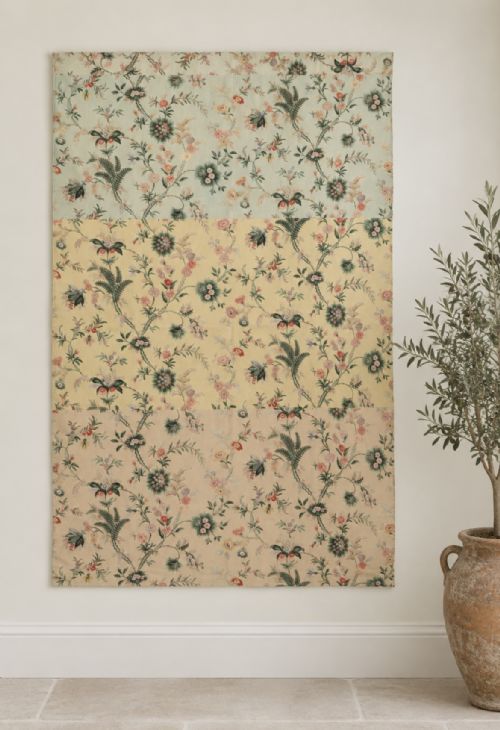
When you search for a silk fabric wall hanging, you encounter a diverse group of decorative textiles ranging from Central Asian Suzanis and ikat panels to English country panels and 18th century Spitalfields lengths. The items on this page span several periods, featuring pieces from the 18th century alongside examples dated around 1850, 1890, 1900 and 1930. You are most likely to meet Central Asian tribal and traditional Uzbek ikats and suzanis alongside European silk and velvet panels.
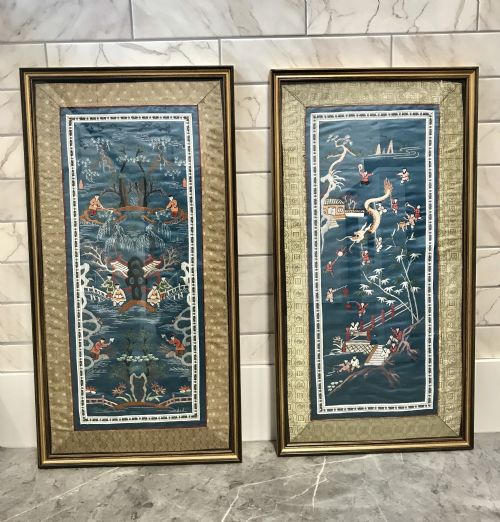
The physical forms vary from framed textile art and textile panels to large wall hangings and pilaster hangings. Origins stretch from Uzbekistan and China to England, reflecting distinct regional textile traditions. Each object serves primarily to decorate a wall surface, whether mounted under glass, stretched as a panel or displayed as a hanging.
How they were made
The materials recorded in these pieces rely heavily on silk, cotton, wood, glass and velvet. Artisans combined these elements using techniques such as hand sewing, embroidery and ikat dyeing. Many Central Asian items utilise silk embroidery on cotton grounds or feature semi-silk adras fabrics.
European examples demonstrate specialised weaving methods, including ciselé silk velvet and historic Spitalfields loom production. Some panels incorporate wood and glass for framing and protection, while others remain flexible textile panels designed to hang directly.
Silk Fabric Wall Hanging Retail Price Guide 2026
Typical asking prices for silk fabric wall hanging among the pieces listed under this phrase on Sellingantiques today, from the lower quarter to the upper quarter. They describe what is for sale here now, not the wider market.
Materials recorded across these items encompass silk, cotton, wood, glass and velvet.
What varies in quality
Quality in these textiles rests upon the fineness of the hand sewing, the complexity of the design and the preservation of the material. Fully embroidered suzanis and detailed Chinese silk embroidery under glass represent considerable artisanal labour compared to simpler fabric lengths.
The integrity of the fibres and the vibrancy of the dye work also distinguish the pieces. Condition matters greatly with antique textiles, where intact grounds and secure stitching elevate a piece above damaged examples.
The Silk Fabric Wall Hanging Glossary
- Suzani
- An embroidered tribal textile originating from Tajikistan, Uzbekistan and other Central Asian regions. These pieces often feature bold floral or architectural designs.
- Ikat
- A dyeing technique where yarns are tie-dyed before weaving to create characteristic blurred pattern edges. Uzbek ikat panels showcase this distinct method.
- Ciselé velvet
- A velvet fabric where the pile is cut in relief against an uncut background, creating patterned surfaces often seen in 18th century European hangings.
- Adras
- A traditional Central Asian fabric woven with a silk warp and a cotton weft. It combines the lustre of silk with the practicality of cotton.
- Palak
- A specific type of Uzbek suzani distinguished by a fully embroidered ground covering the entire fabric base.
Silk Fabric Wall Hanging: Frequently Asked Questions
How do I hang a silk fabric wall hanging?
Many textile panels are mounted behind glass in wooden frames to protect fragile silk threads from dust and handling. Unframed pieces often require professional mounting onto a padded backing board or a fabric sleeve for safe wall display.
Heavier items like large ikat panels or suzanis need even weight distribution across the top edge. Avoid hanging antique silks in direct sunlight to prevent fading of natural dyes.
What is the difference between an ikat and a suzani?
An ikat panel gets its pattern through resist-dyeing threads before the weaving process begins, resulting in characteristic feathered outlines. A suzani is a textile where the design is applied entirely through needlework embroidery on a woven ground.
Both forms originate largely from Central Asian traditions like those in Uzbekistan. Ikats focus on woven pattern diffusion, while suzanis display dense hand-sewn stitches.
How do I care for antique silk textiles?
Keep antique silk wall pieces away from high humidity, damp walls and direct heat sources. Gentle dusting with a soft brush or low-suction vacuum through a protective mesh helps maintain the surface.
Avoid using water or chemical cleaners on historic silk and velvet fabrics. Professional textile conservators should handle any significant cleaning or structural repairs.
How are periods like 1850 and 1900 told apart?
Distinguishing between mid-19th century and turn-of-the-century pieces involves examining dye types, fabric weaves and embroidery styles. Earlier Central Asian suzanis often use specific natural dye palettes and denser stitching.
Examining the backing materials, such as cotton grounds or linen supports, offers further clues to the date of manufacture. Comparative analysis with dated museum examples helps confirm the period.