



Signed Worcester Fruit
Signed worcester fruit pieces are hand-painted porcelain objects from the Edwardian period onwards, sought after for their meticulous depictions of natural subjects.
Signed Worcester Fruit
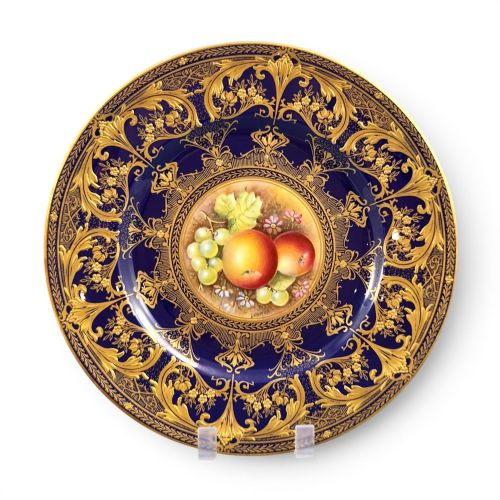
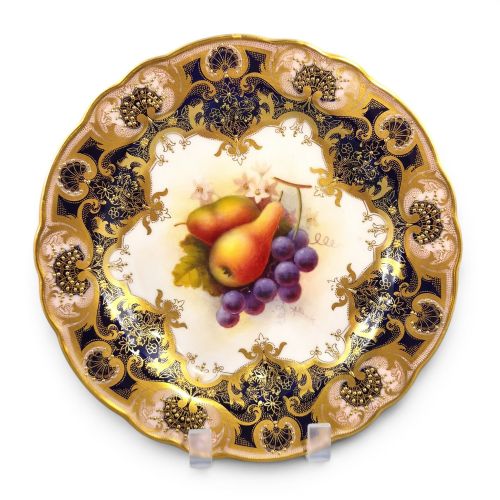
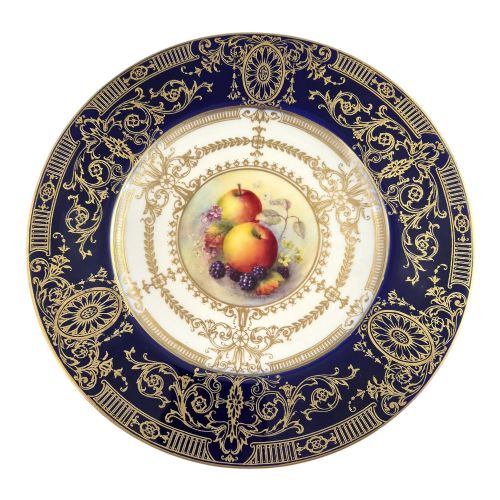
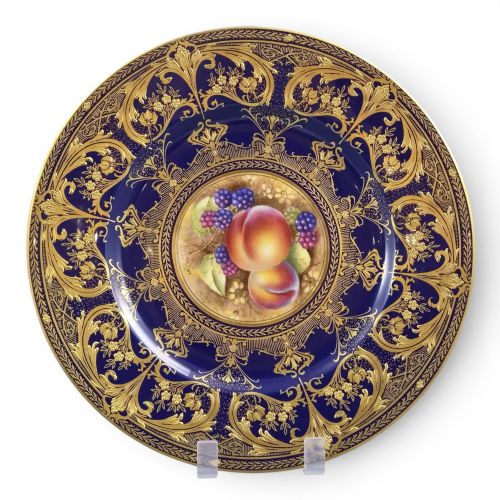
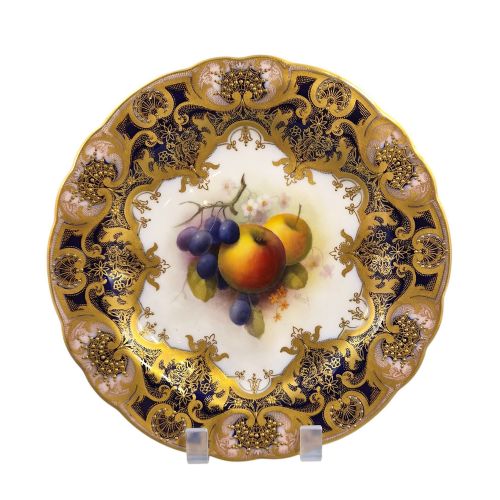
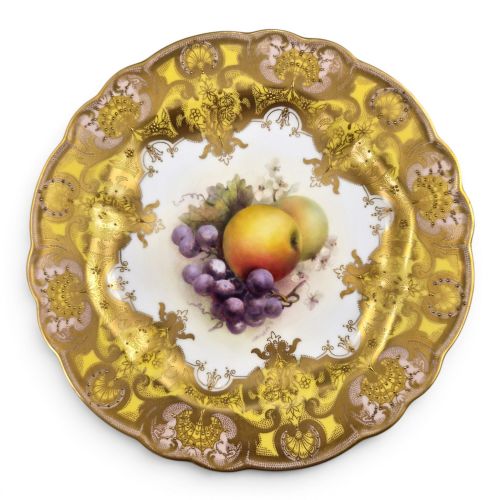
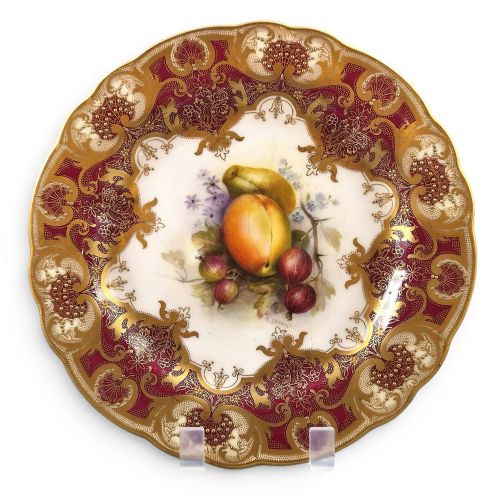
When looking for signed worcester fruit items, buyers encounter cabinet plates, vases, ewers, and bowls created by notable painters across several decades. The selection on this page centres on porcelain and bone china forms decorated with naturalistic studies of peaches, grapes, apples, and berries against soft, shadowy backgrounds.
The objects span the Edwardian era through the mid-twentieth century, including pieces dated to the nineteen-tens, twenties, thirties, forties, and fifties, alongside later twentieth-century examples. Plates with rope edges and cabinet plates represent the most common forms met here, often bearing the signatures of celebrated factory artists.
How they were made
These items utilise fine porcelain and bone china as a white canvas for detailed overglaze enamel painting. Artists built up the fruit subjects using layers of delicate pigments to capture the texture and bloom of natural produce.
Gilding and gold leaf feature heavily on rims, handles, and borders, applied by hand to frame the central painted scenes. Many pieces incorporate raised or applied gold details that complement the rich tones of the fruit.
Signed Worcester Fruit Retail Price Guide 2026
Typical asking prices for signed worcester fruit among the pieces listed under this phrase on Sellingantiques today, from the lower quarter to the upper quarter. They describe what is for sale here now, not the wider market.
Even a humble pencil tray receives the full orchard treatment, turning office supplies into a sun-ripened feast of hand-painted peaches.
What varies in quality
Quality rests upon the skill of the individual artist whose signature appears on the surface, with work by known factory masters commanding greater artistic recognition. The density and precision of the fruit painting, from the rendering of dew drops to the shading of leaves, determine the visual success of each piece.
The application and preservation of the surrounding gilding also differentiate examples, as heavier or more intricate gold work elevates the overall presentation of the porcelain form.
Royal Worcester·Richard Sebright·Albert Shuck·Brian Leaman·Chivers·H Ayrton·J Southall·Freeman·P Love·J Smith·William Ricketts·Richard Budd·K Blake
The Signed Worcester Fruit Glossary
- Cabinet plate
- A decorative plate designed for display in a cabinet rather than for dining use. These items typically feature elaborate painted scenes and gilt borders.
- Ewer
- A large jug with a wide spout and scroll handle, often produced as a decorative ornamental pair rather than for practical service.
- Pot pourri
- A decorative vessel with a pierced cover designed to hold fragrant dried plant material. The body is frequently painted with fruit subjects.
- Overglaze enamel
- Coloured glass powder fused onto the fired glaze surface during a subsequent low-temperature firing. This technique allows for a wide palette of vivid hues on porcelain.
Signed Worcester Fruit: Frequently Asked Questions
How do I identify the artist?
Signatures usually appear discretely within the painted fruit scene, often near the bottom edge in a fine script.
Matching the handwritten initials or surnames against factory records confirms the specific painter.
What periods are represented?
The pieces span from the Edwardian era through the early and mid-twentieth century, including the nineteen-tens, twenties, thirties, and beyond.
Each decade brings subtle shifts in the thickness of the porcelain bodies and the style of the surrounding gilt borders.
Are these plates for dining?
Cabinet plates and decorative dishes were made primarily for visual display within households rather than everyday meal service.
The delicate enamel work and extensive gilding require careful handling away from active dining use.
Why do some pieces have rope edges?
The rope edge moulding provides a textured, decorative border that frames the hand-painted fruit centre.
This specific rim treatment appears on several mid-century plates and cream jugs in the collection.