


Signed Paper Artwork
Signed paper artwork encompasses watercolours, drawings, etchings, and lithographs bearing the mark of their maker, offering a direct encounter with the artist's hand.
Signed Paper Artwork
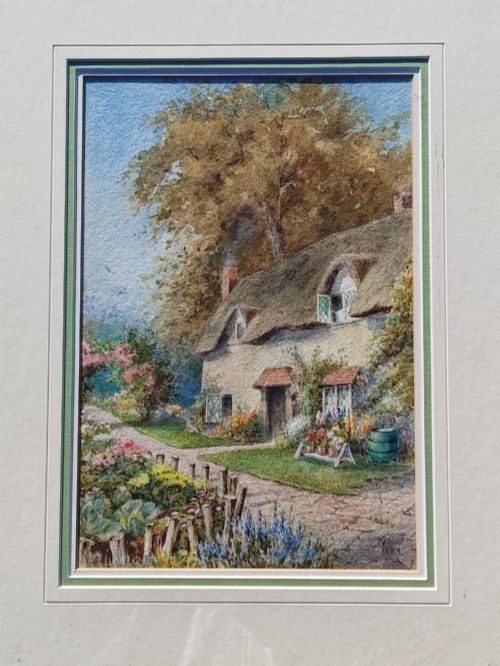
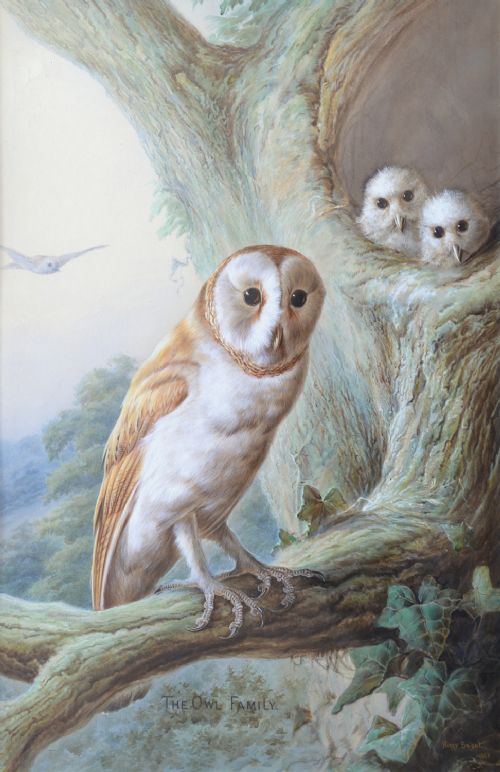
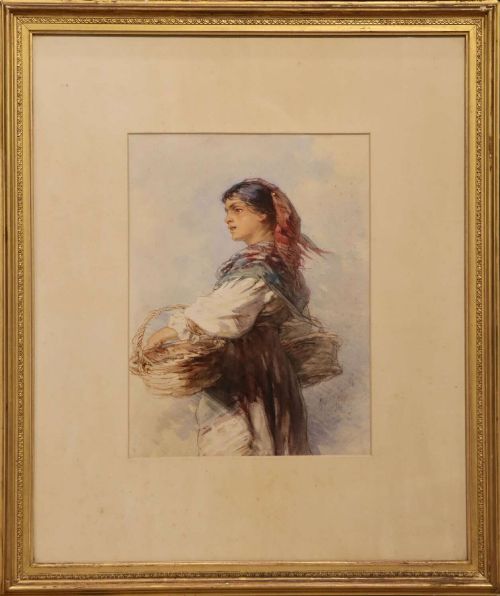
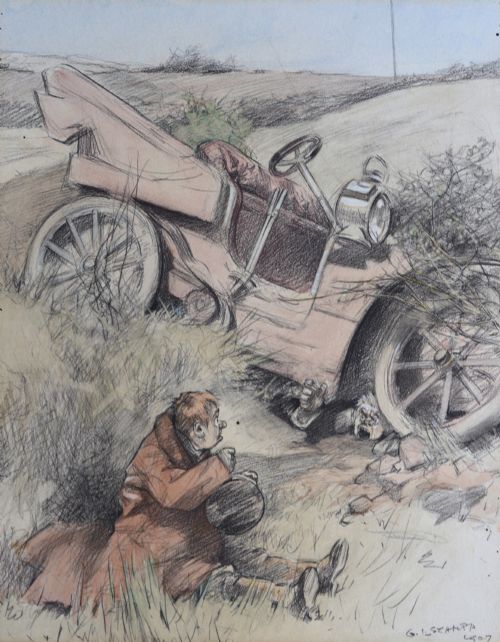
Signed paper artwork brings together original watercolours, pencil drawings, etchings, and lithographs created across the nineteenth and twentieth centuries. These pieces record landscapes, coastal scenes, portraits, and domestic animals executed by named British and international artists.
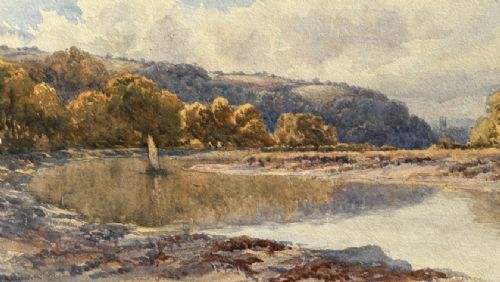
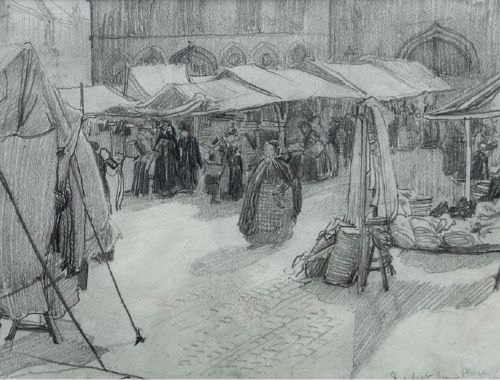
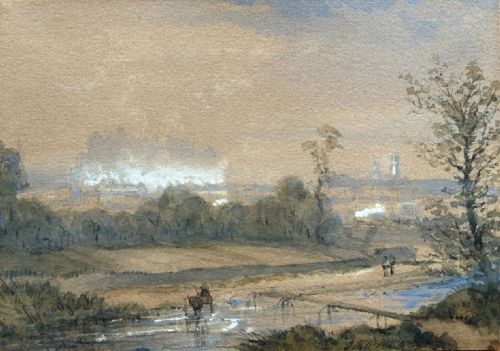
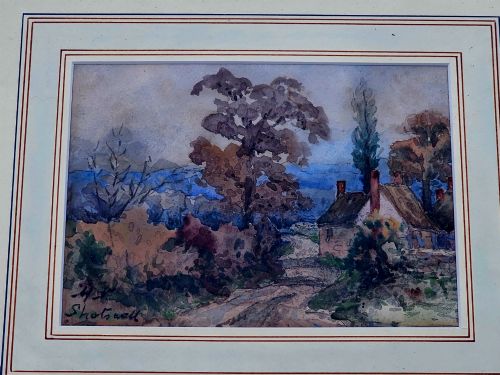
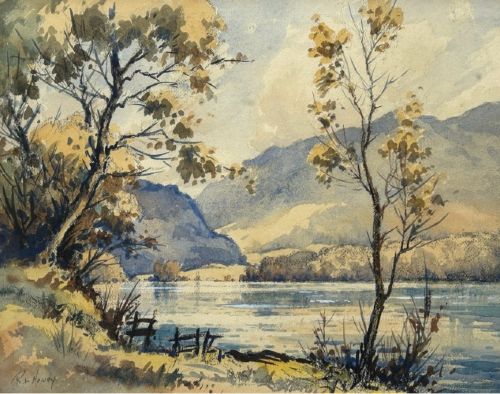
The most common examples on this page are watercolours and pencil drawings from the Victorian and Edwardian periods, alongside early twentieth-century etchings. Works range from detailed topographical views of British rivers and coastal harbours to intimate figure studies and animal prints.
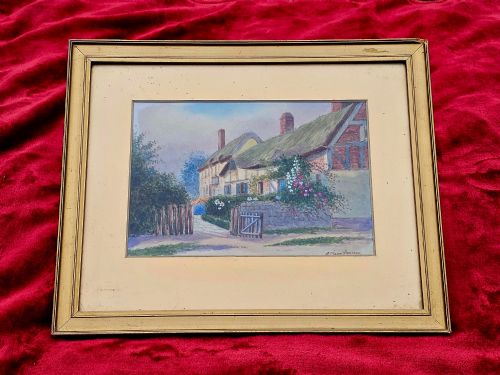
Collectors encounter works framed in wood behind glass, preserving delicate pigments and graphite marks. Each piece relies on the paper support to hold the ink, watercolour pigment, or pastel that forms the image.
Materials and technique
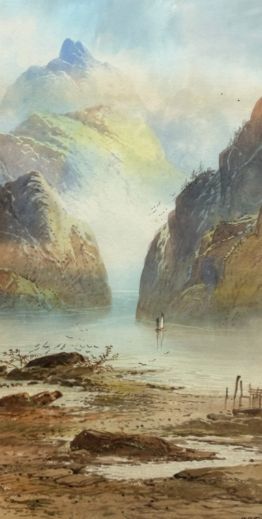
Watercolour painting relies on water-soluble pigments applied to paper, creating transparent washes that capture light and atmospheric shifts in landscapes. Artists combine these pigments with graphite underdrawing to map composition and detail before applying colour.
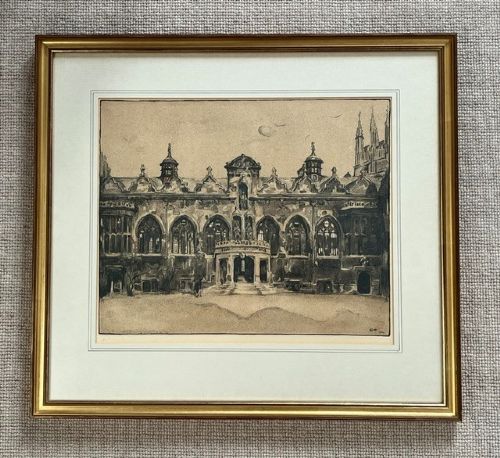
Etchings and mezzotints involve incising lines into a metal plate, applying ink to the surface, and pressing the design onto paper under high pressure. These printmaking methods allow artists to produce limited editions signed by hand in pencil beneath the image.
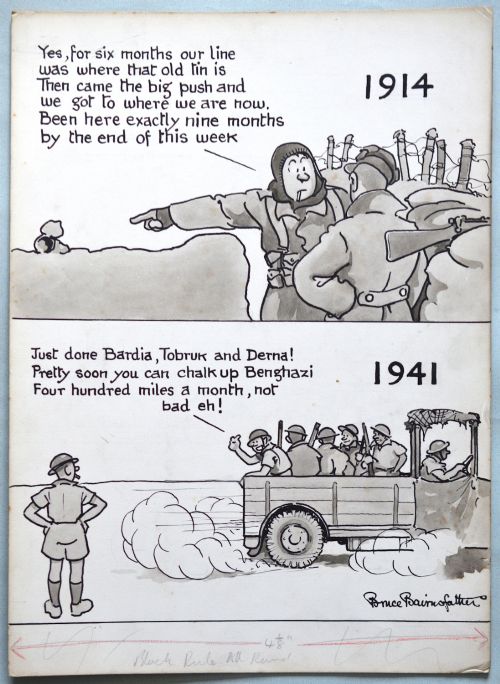
Cats, cows, leopards, and racing yachts all make appearances under ink and watercolour.
Variations in quality
Quality rests upon the confidence of the draughtsmanship and the artist's control over pigment or printmaking ink. Superior watercolours demonstrate fluid brushwork and precise tonal balance, whereas stronger etchings show crisp line definition and rich plate impressions.
The preservation of the paper support and the clarity of the signature also determine standing. Works maintained without fading or heavy foxing retain the visual impact intended by the maker.
Guido Bach·Bateman·George Lorain Stampa·James Orrock·William Henry Earp·Henry Percy Huggill·John R Prentice·Bruce Bairnsfather·Sir William Nicholson·A Marie Parsons·Robert Leslie Howey·William Joseph Boyes·Herbert Dicksee·William Lionel Wyllie·Frank Dobson·Alfred G Morgan·Russell Sidney Reeves·Dame Laura Knight·Robert George Talbot Kelly·Sydney Wilson·F A Roylance·John Rattenbury Skeaping·William Frederick Settle·Anne Goldthwaite·Fred Lawson
The Signed Paper Artwork Glossary
- Watercolour
- A painting method where fine pigment is suspended in a water-based solution and applied to paper. It creates luminous washes of colour that rely on the white of the paper to reflect light.
- Etchings
- Intaglio prints produced by biting lines into a metal plate with acid before inking and pressing onto paper. Artists often sign these proofs in pencil beneath the lower margin.
- Graphite
- A form of carbon used in pencils to create monochrome drawings with varied tonal depth. It serves both for preparatory sketches and finished works on paper.
- Artists proof
- An early impression of a print pulled for the creator to inspect and sign before the main edition is printed. These pieces often carry particular value for collectors.
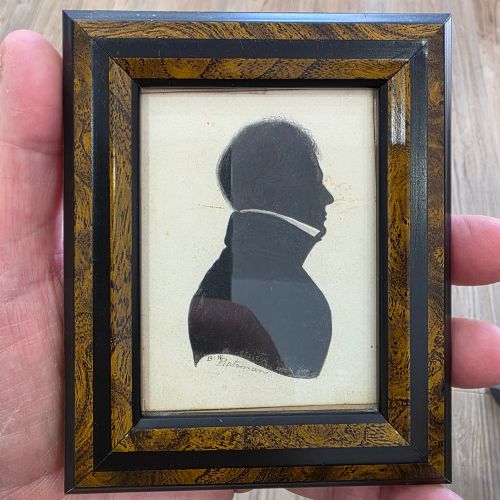
- Silhouette
- A portrait profile cut from dark paper or painted in solid black ink against a light background. These works date widely from the Georgian and Victorian eras.
Signed Paper Artwork: Frequently Asked Questions
How do I identify the artist?
Artists typically signed their work in pencil or ink directly beneath the image area or within the composition itself. Comparing the signature to known examples and exhibition records helps confirm attribution.
Signatures on prints are often accompanied by pencil notations indicating edition numbers or artist proof status.
How should I frame and display these?
Works on paper require framing behind glass with acid-free mounts to prevent direct contact with the glazing. This barrier protects delicate watercolours and paper supports from moisture and physical damage.
Position pieces away from direct sunlight to prevent pigments and paper from fading over time.
What periods do these pieces span?
The selection covers items produced from the nineteenth century through the mid-twentieth century. Victorian and Edwardian examples sit alongside works from the interwar decades.
Each period reflects distinct aesthetic choices, from academic life studies to early twentieth-century impressionism.