

Signed Painting Artwork
Signed painting artwork brings together framed watercolours and oil paintings bearing the mark of their maker across the nineteenth and twentieth centuries.
Signed Painting Artwork
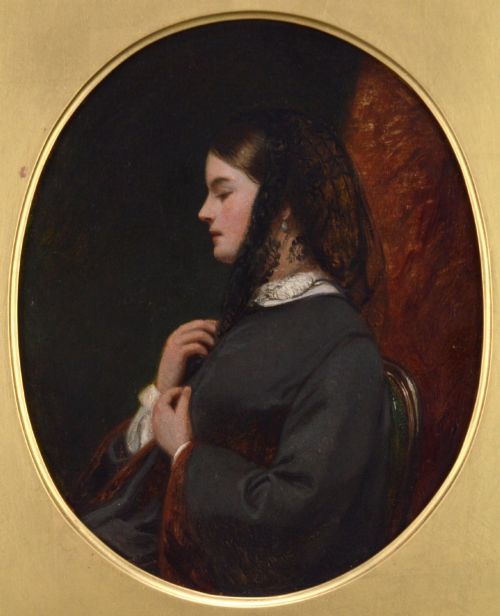
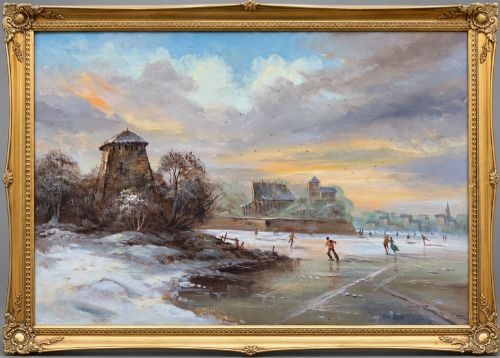
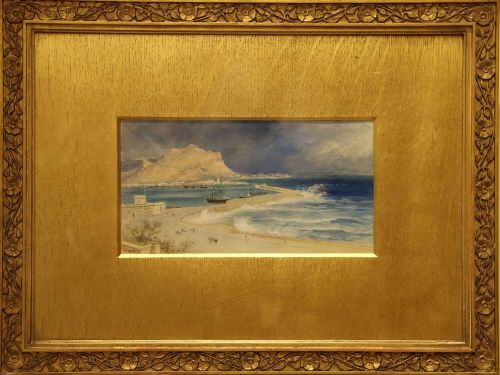
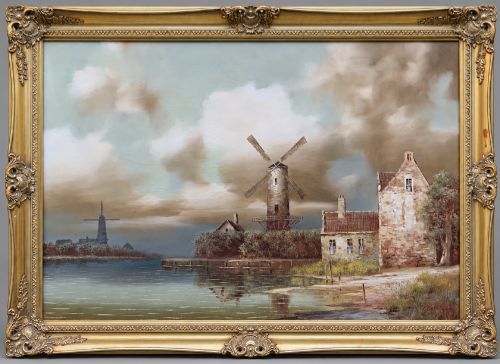
Signed painting artwork encompasses original works on paper, canvas, and wood panel created across the nineteenth and twentieth centuries. Buyers examine framed pieces ranging from intimate watercolours of Scottish lochs and Italian harbours to substantial oil paintings depicting Dutch landscapes and British pastoral scenes.
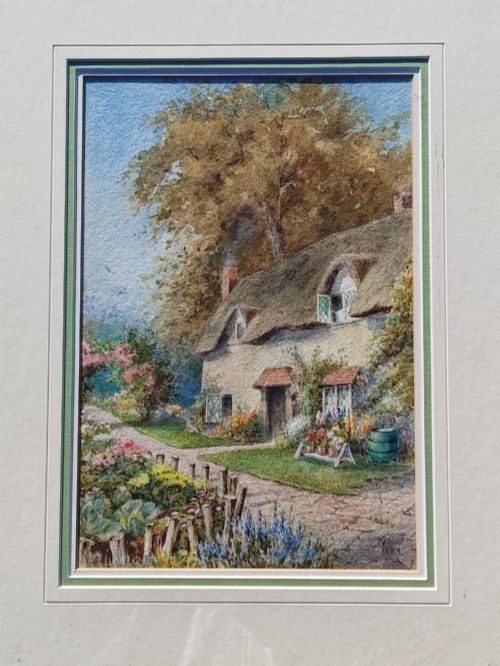
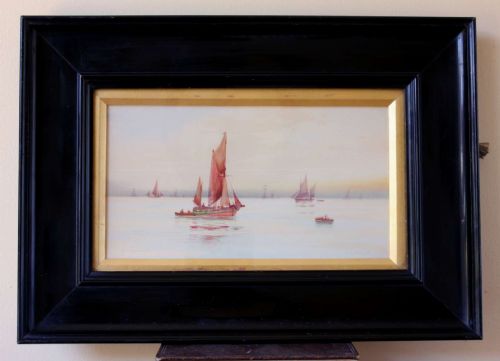
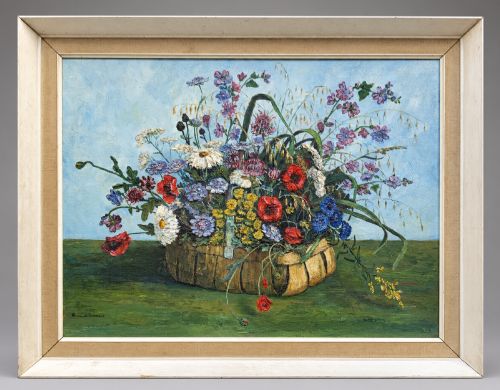
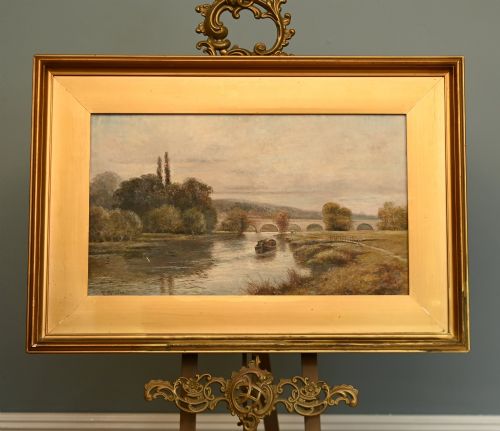
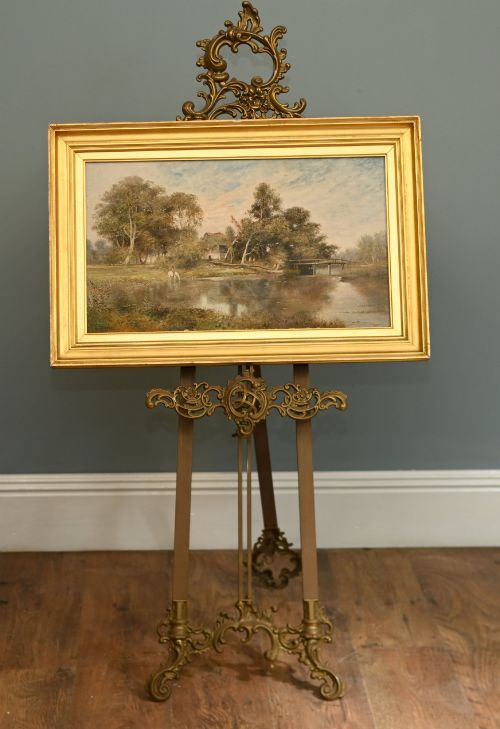
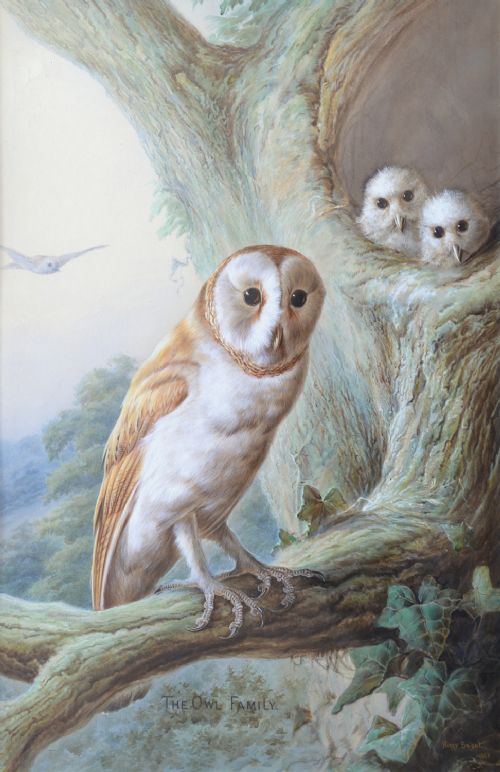
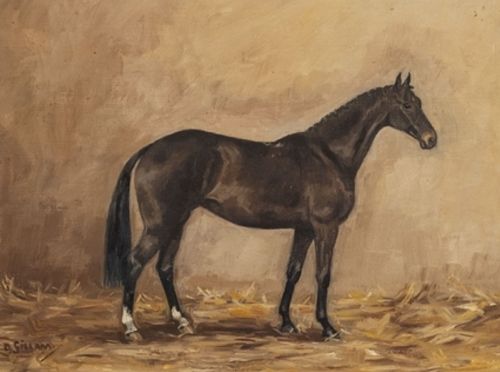
The selection on this page relies heavily upon nineteenth-century and Edwardian watercolours alongside mid-century oil paintings on canvas and wood. Common subjects include maritime views, rural cottages, and floral still-lifes bearing legible signatures or monograms from period artists.
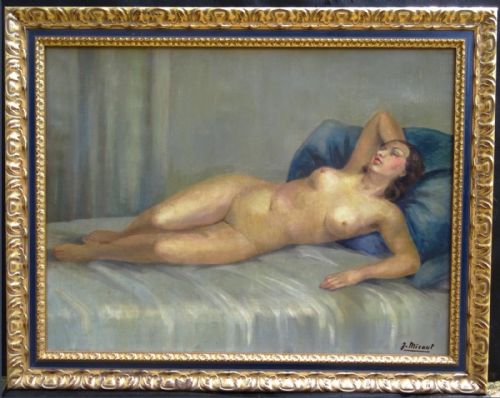
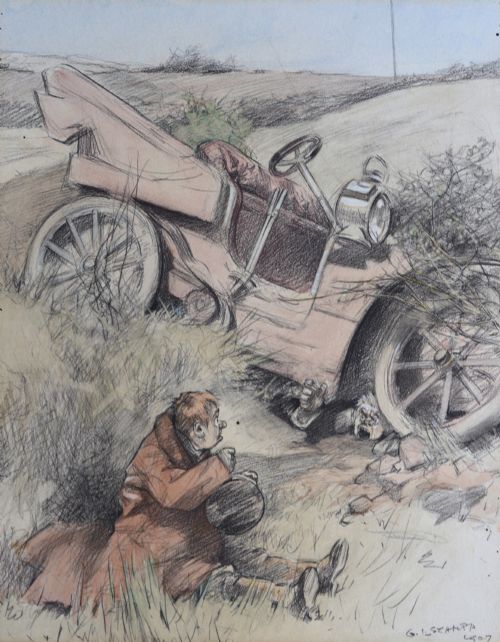
Works span styles from Victorian naturalism and Dutch school painting to early twentieth-century impressionism and art deco portraiture. Each piece offers a direct link to the hand of the individual painter through their chosen medium and signature.
Materials and construction
Artists painted using oil colours on stretched canvas, wooden panels, or board, building up rich textures and deep tones. Watercolours were applied to heavy paper, often capturing light and atmosphere with transparent washes.
Many works retain their period framing, utilising wood and gilt gesso to complement the composition. The physical support varies from traditional canvas to sturdy wood panels, each dictating how the paint layer ages.
Materials documented in the inventory include canvas, paper, wood, glass, and giltwood.
Quality and execution
The distinction between ordinary and exceptional works rests upon the confidence of the brushwork and the clarity of the composition. Stronger pieces display a assured handling of light, shade, and perspective, whether rendering coastal waves or woodland cattle.
Condition of the painted surface and preservation within the original frame also influence the standing of a piece. Fading on watercolours or stabilization work on oil canvases marks the difference in how cleanly a work survives.
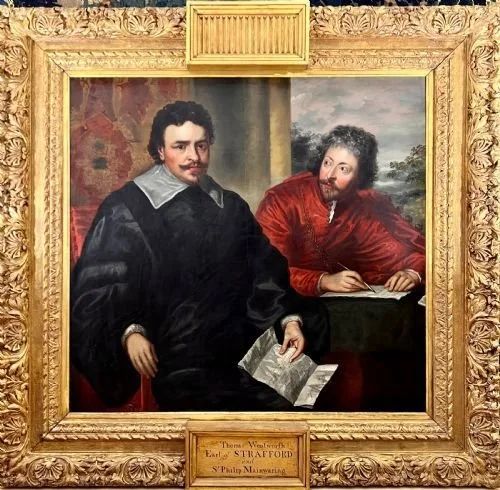
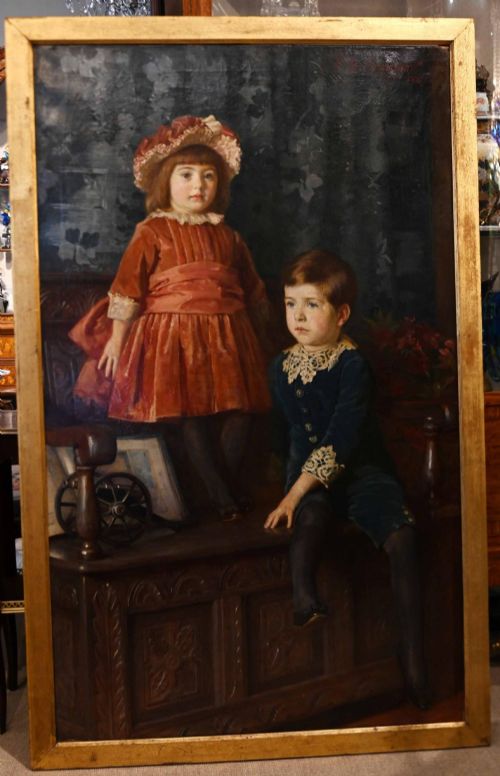
Gaastra·K Howitt·GM Avondale·Trajan Hughes·Sir Thomas Wentworth·Sir Philip Mainwaring·E Steele·FS Beaumont·Lettice and Randolph·F Staple·Harry Bright·Robert George Talbot Kelly·William Taylor Longmire·David Law·G J S Bary·Guido Bach·Kenneth Cozens·George Lorain Stampa·George Fotherly Hargitt·Thomas Miles Richardson Jnr RWS·James Orrock·William Henry Earp·R Leyton·John R Prentice·William H Myers
The Signed Painting Artwork Glossary
- Watercolour
- A painting method where fine pigment is suspended in a water-soluble binder and applied to paper. This medium relies on the white of the paper to show through translucent washes.
- Giltwood
- Wood carved and coated with gold leaf or metallic gilt paint, frequently found on period picture frames. It adds a reflective border that isolates the artwork from its surroundings.
- Oil on canvas
- A technique utilising pigments bound in a drying oil, applied to a stretched woven fabric support. This combination permits extensive blending and rich texture.
- Impressionism
- An artistic style focusing on accurate depiction of light and its shifting qualities rather than strict detail. Painters working in this manner often utilised visible brushstrokes.
- Provenance
- The documented history of ownership surrounding an artwork. A clear record helps verify the authenticity and origin of signed pieces.
Signed Painting Artwork: Frequently Asked Questions
How do I identify the signature on a painting?
Signatures typically appear in one of the lower corners of the canvas or paper, rendered in paint or pencil. Examining the handwriting alongside period exhibition records often reveals the identity of the artist.
Some works feature monograms or dates placed alongside the signature. Comparing these marks with known examples from the same era helps confirm attribution.
What is the difference between oil and watercolour?
Oil paintings utilise pigment mixed with oil on canvas or wood, creating a thick and textured surface. Watercolours use water-soluble paint on paper, resulting in a lighter and more translucent appearance.
Oils are generally heavier and require a sturdy stretcher or panel. Watercolours need protection behind glass to prevent moisture damage.
How should I care for a framed vintage painting?
Keep painted works away from direct sunlight and damp environments to protect both the canvas and the pigments. Maintaining a stable room temperature prevents the wood panels and frames from warping.
Dust frames gently with a dry cloth and avoid touching the painted surface directly. Professional conservation ensures the paper or canvas remains secure within its mount.
Are period frames original to the artwork?
Many older pieces retain their original wooden or gilt gesso frames, which show matching signs of age. These frames were selected to complement the specific aesthetic of the painting.
Replacement frames do occur when older housing has deteriorated beyond repair. Examining the joinery and finish helps determine the age of the frame relative to the canvas.