





Signed Modern British Art
Signed modern british art comprises paintings, drawings and prints spanning early twentieth century modernism through to contemporary work.
Signed Modern British Art
Signed modern british art brings together paintings, drawings and prints created across the twentieth century and beyond. Buyers encounter oil paintings on canvas and board, watercolours, pen and ink sketches, and etchings carrying the signatures of recognised artists and regional painters.
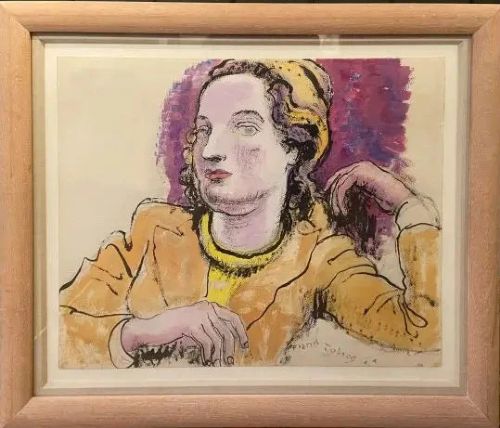
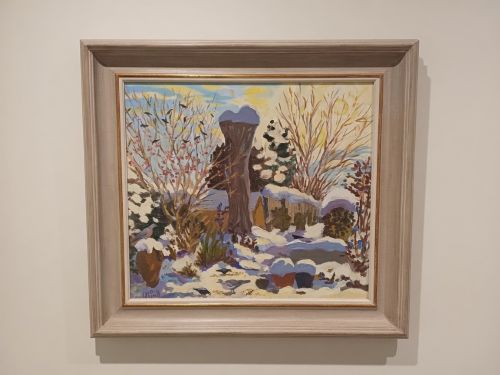
The works span distinct periods from the nineteen twenties through to the nineteen sixties and later. Landscapes, portraits, industrial scenes and abstract compositions form the core of the pieces available on this page.
Mid-century modernism and constructivism sit alongside traditional landscape watercolours and portrait studies. Works range from intimate ink drawings on paper to large framed canvas paintings.
Materials and techniques
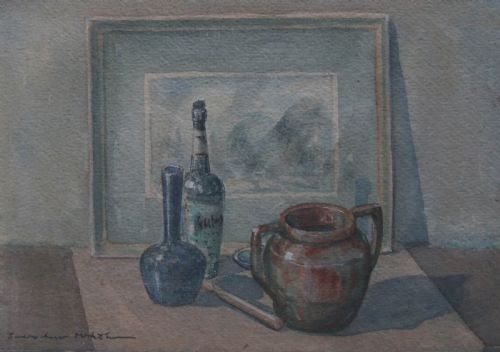
Artists on this page utilised oil paint on canvas or wood board, applying pigment with brushes or thick impasto. Watercolour, gouache, ink and pencil on paper record preparatory studies and finished watercolours alike.
Printmakers employed etching and aquatint techniques on paper to produce signed editions. Framed artwork relies on traditional mounting methods to protect paper and canvas works from environmental damage.
Signed Modern British Art Retail Price Guide 2026
Typical asking prices for signed modern british art among the pieces listed under this phrase on Sellingantiques today, from the lower quarter to the upper quarter. They describe what is for sale here now, not the wider market.
Cats, clowns, children and kitchen scenes share wall space here with industrial factories and stormy seas.
What separates the work
Quality rests in the sureness of the draughtsmanship and the handling of the medium. Confident brushwork in an oil painting or precise ink lines in a drawing distinguish masterly execution from hesitant practice.
Condition and preservation of the paper or canvas dictate the integrity of the piece. Works retaining their original colour intensity and stable surfaces command greater appreciation among collectors.
Robert Morson Hughes·Frank Dobson·Dame Elisabeth Frink·Septimus Scott·Philippa Maynard Romer·John Merrifield·Philip Naviasky·Sir Matthew Smith·Lucien Freud·Lawrence Stephen Lowry·Fred Lawson·James Kerr McArthur·Dame Laura Knight·Norman Janes·Muriel Metcalfe·Bernard Meninsky·E Elliot·Alastair Flatterly·Edward Wesson·Deidre Borlase
The Signed Modern British Art Glossary
- Impasto
- Paint applied thickly to a canvas or board, leaving visible brush or palette knife marks that stand proud of the surface.
- Aquatint
- An intaglio printmaking technique that produces tonal areas resembling watercolour washes on paper.
- Constructivism
- An artistic style originating in the early twentieth century focusing on abstract geometric forms and industrial subjects.
- Gouache
- An opaque watercolour medium containing a white pigment filler that dries to a matte finish.
Signed Modern British Art: Frequently Asked Questions
How do I identify signed modern british art?
Signatures appear inscribed in pencil, ink or paint directly onto the surface of the paper or canvas, often placed in a lower corner.
Comparing the signature against known exemplars and checking exhibition labels on the reverse helps confirm authenticity.
What periods are represented?
The selection spans the nineteenth century through to the nineteen sixties and later, capturing interwar modernism and mid-century movements.
Dates inscribed on works or recorded in signatures place the creation within specific decades of the twentieth century.
How should I frame and hang these works?
Framing depends on the medium, requiring conservation mounts for works on paper and stable wooden frames for oil paintings on canvas.
Keep pieces away from direct sunlight to prevent fading of watercolours, inks and oil pigments.
What subjects are most common?
Portraits of sitters, coastal landscapes, industrial scenes and still life arrangements appear frequently across the paintings and drawings.
Artists recorded both rural British scenery and urban factories using oils, watercolours and inks.