





1960s British Artwork
These pieces of 1960s british artwork capture the vibrant visual energy of a transformative decade through original paintings, drawings, and prints.
1960s British Artwork
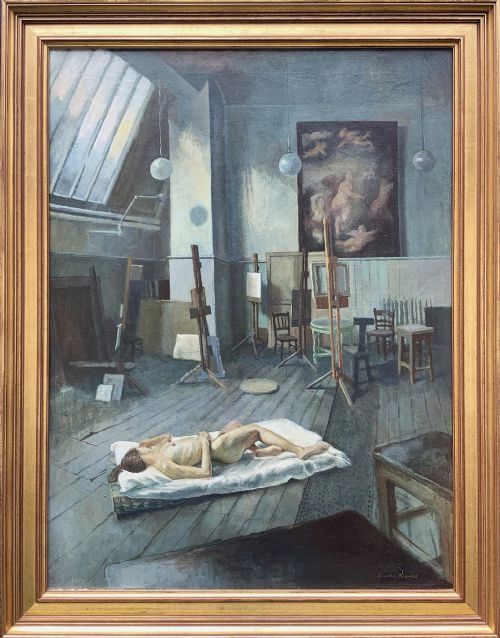
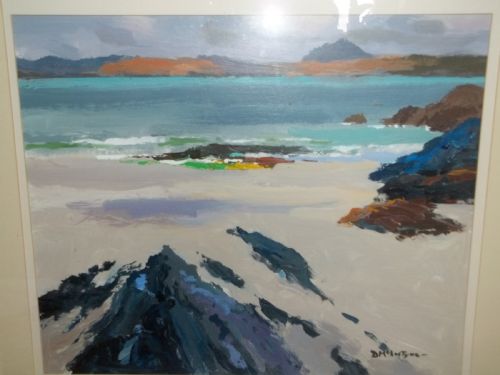
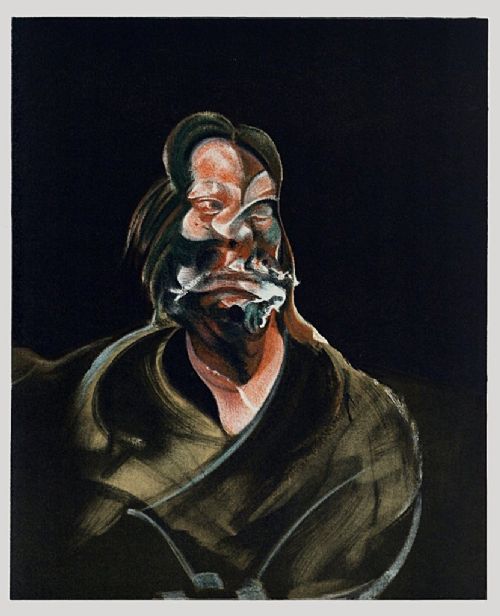
When you search for 1960s british artwork, you encounter a diverse selection of paintings, prints, and drawings created during a period defined by Mid-Century Modern and Modern British aesthetics. The works on this page span styles from Pop Art to striking abstractions and coastal landscapes.
The objects take several forms, most notably oil paintings on canvas, watercolours on paper, and framed prints. Subjects range from dynamic horse racing scenes and coastal views to intimate portraits and still life arrangements.
Originating predominantly from the nineteen-sixties, these pieces reflect the distinctive creative output of British artists working across England, Wales, and beyond during the middle decades of the twentieth century.
How they were made
Artists of this era utilised a rich variety of physical supports, applying oil paint, impasto, gouache, and watercolour onto stretched canvas, textured paper, and wood. Ink and charcoal also appear in preparatory sketches and graphic works.
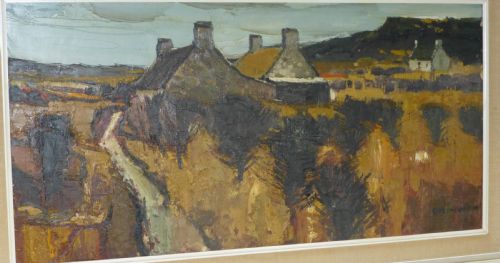
Techniques range from smooth, controlled brushwork in coastal scenes to thick, textured impasto in landscape paintings, alongside lithography and poster printing for graphic pieces.
1960s British Artwork Retail Price Guide 2026
Typical asking prices for 1960s british artwork among the pieces listed under this phrase on Sellingantiques today, from the lower quarter to the upper quarter. They describe what is for sale here now, not the wider market.
Several horses charge across the decades, captured mid-gallop in watercolours and pastels.
What varies in quality
The distinction between pieces rests upon the surety of the artist's hand, the handling of medium, and the expressive strength of the composition. A boldly rendered oil on canvas demonstrates a confident command of colour and space.
Condition and preservation of the original paper or canvas play a part, as do the distinctiveness of the subject matter and the strength of provenance associated with the artist.
John Rattenbury Skeaping·Lionel Horsnell·Tony Giles·Elisabeth Frink·Helen Layfield Bradley·Peter Blake·Donald McIntyre
The 1960s British Artwork Glossary
- Impasto
- Paint applied thickly to a canvas, standing out in relief from the surface. This technique creates physical texture and catches the light across the composition.
- Gouache
- An opaque water-based paint that dries to a matte finish. It allows for vibrant colour blocks and precise detail in works on paper.
- Lithograph
- A print made from a flat stone or metal plate treated to retain ink in designated areas. It was frequently utilised for poster art and multiples.
- Mid-Century Modern
- A stylistic design movement spanning the middle decades of the twentieth century. It prioritises clean lines, abstraction, and a rejection of heavy traditional ornamentation.
- Providence
- The documented history of a piece of art, tracing its ownership from the artist's studio to the present day.
1960s British Artwork: Frequently Asked Questions
What defines 1960s british artwork?
These works encompass paintings, prints, and drawings produced in Britain during the nineteen-sixties. They reflect movements such as Pop Art and Mid-Century Modernism.
The selection includes oil paintings, watercolours, and lithographs showcasing diverse subjects from abstract compositions to coastal landscapes.
How do I care for these paintings?
Protect oil paintings and works on paper from direct sunlight to prevent fading of pigments and discolouration of the support. Maintain stable indoor humidity levels.
Keep framed works behind glass away from moisture sources and handle them carefully by the frame structure.
How do I identify the period?
Dating relies on artist signatures, exhibition records, stylistic markers of Modern British art, and period framing techniques. Many works carry direct dates inscribed by the hand of the artist.
Materials such as specific types of canvas stretchers and paper watermarks also help confirm the era of production.