



Signed Meiji Bronze
Signed meiji bronze brings master-carved okimono, chargers, and vases into your rooms, offering the meticulous artistry of nineteenth-century Japanese metalwork.
Signed Meiji Bronze
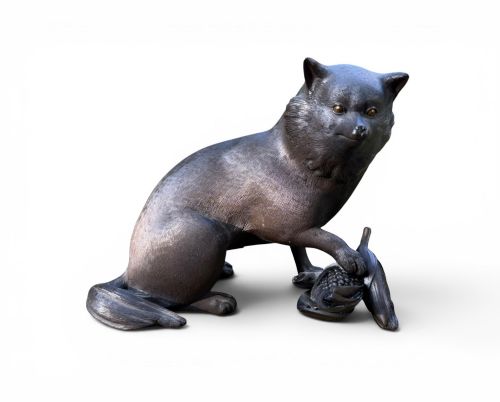
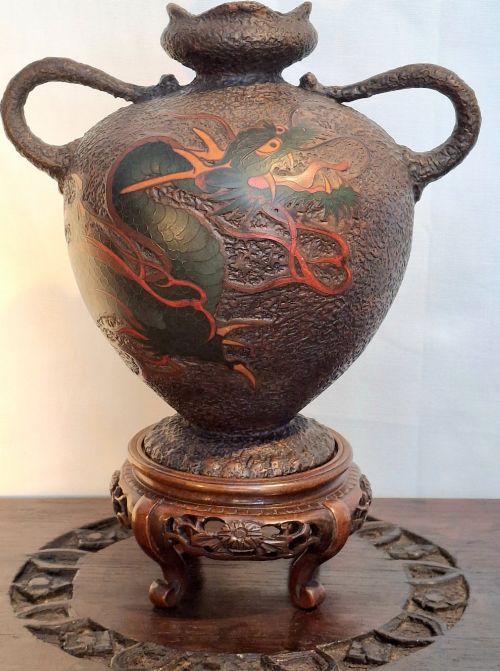
You will encounter sculptures such as okimono figures of tanuki and crouching lions alongside large bronze vases, incense burners, and detailed sword fittings like tsuba. These works display the signatures of makers who marked their pieces to record their studio or personal name.
Alongside pure bronze works, the listings include related decorative objects incorporating enamel, copper, brass, porcelain, and earthenware. This variety reflects the cross-disciplinary skill of Meiji period artisans who combined metal casting with cloisonne and mixed-metal overlays.
Materials and techniques
Artisans utilised bronze as the primary structural metal for figures, vases, and tsuba, often casting large pieces like eagles on root wood bases or crouching lions. They integrated copper, brass, and brass wire to create contrasting tones and surface textures within a single object.
The application of enamel and totai shippo porcelain on chargers demonstrates the complex cloisonne techniques of the era. Makers also applied silver overlays onto bronze surfaces to detail subjects like herons and dragons with sharp clarity.
Signed Meiji Bronze Retail Price Guide 2026
Typical asking prices for signed meiji bronze among the pieces listed under this phrase on Sellingantiques today, from the lower quarter to the upper quarter. They describe what is for sale here now, not the wider market.
Materials recorded across the inventory include bronze, enamel, copper, brass, brass wire, porcelain, wire, and earthenware.
Separating the ordinary from the exceptional
Quality in these works rests upon the crispness of the casting and the depth of the chisel work applied to details such as feathers, fur, and facial expressions. Master casters achieved a lifelike presence in animal figures that lesser workshops missed.
The legibility and placement of the signature indicate the maker's pride and the standing of the studio. Pieces that combine multiple metals or integrate enamel work with secure precision represent the upper tier of production.
Kinkozan·Kizan·Seiunsai Miyamoto Sei·Shosai·Gyoko
The Signed Meiji Bronze Glossary
- Okimono
- A standalone Japanese ornamental sculpture designed for display on a shelf or tokonoma. These figures often depict animals or folklore subjects.
- Tsuba
- A guard at the end of the grip of a Japanese sword. Makers treated these small metal plates as canvases for intricate carving and metal overlay.
- Koro
- A traditional Japanese incense burner fitted with a lid. They appear in bronze, porcelain, and earthenware.
- Totai shippo
- A technique where enamel is applied directly to a porcelain body rather than a metal base. This method creates translucent decorative surfaces.
- Shippo
- The Japanese term for cloisonne enamel. It describes the wire-cell technique used on chargers and dishes.
Signed Meiji Bronze: Frequently Asked Questions
How do I read a signature on a bronze?
Signatures on these pieces are typically cast into the base or chiselled directly into the metal surface. They usually name the artist or the workshop responsible for the creation.
Translating these marks often requires consulting specialised reference books on Japanese metalwork signatures. The placement and clarity of the mark can help confirm the period of manufacture.
What is the difference between okimono and statues?
Okimono translates as an object for display, referring specifically to decorative sculptures made for interior decoration rather than religious worship. These pieces focus on naturalistic subjects like animals and everyday figures.
Larger figures, such as bronze eagles or lions, serve a similar ornamental purpose but command more space in a room. Both categories share the high level of detail characteristic of the Meiji era.
How should I clean antique bronze?
Antique bronze requires minimal intervention to preserve its original surface and historical patina. Dusting with a soft, dry cloth is usually sufficient for regular maintenance.
Avoid using metal polishes or harsh liquids, as these agents strip away the aged finish. Professional advice should be sought if deeper cleaning becomes necessary.
How do I date a Meiji bronze?
Dating relies on stylistic markers, the character of the bronze alloy, and historical context within the Meiji period from eighteen sixty-eight to nineteen twelve. Pieces often bear marks or signatures that connect them to known active dates of specific makers.
Associated materials like root wood bases or accompanying storage boxes can also provide clues to the age of the piece. Comparing construction methods with dated examples helps narrow down the decade of production.