




Signed Marble Statue
A signed marble statue brings carved classical presence into a room, combining solid stone weight with the maker's hand.
Signed Marble Statue
A signed marble statue represents carved sculptural works bearing the signature of the maker or foundry. When examining a signed marble statue, buyers encounter figures, busts, and mythological subjects originating from the nineteenth and early twentieth centuries.
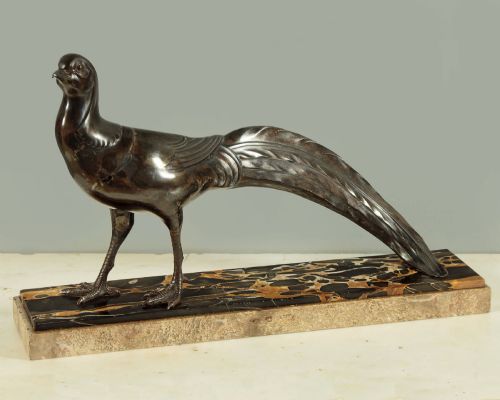
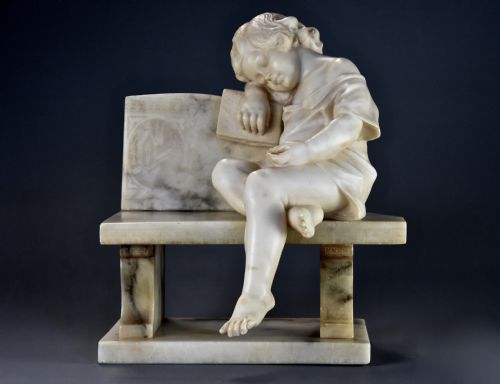
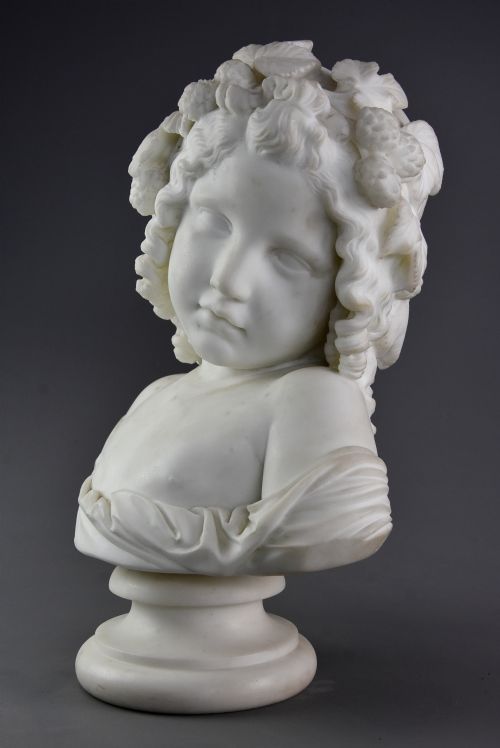
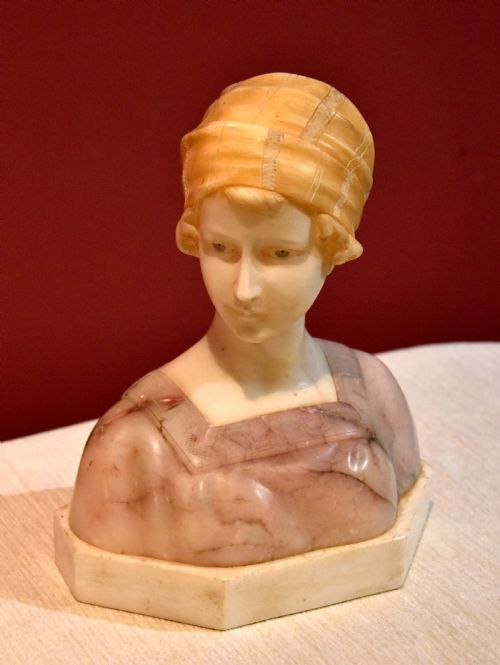
The pieces on this page span several distinct aesthetic movements, including Neoclassical, Art Nouveau, and Art Deco. Many examples combine white or Carrara marble with contrasting materials such as bronze, alabaster, or onyx bases.
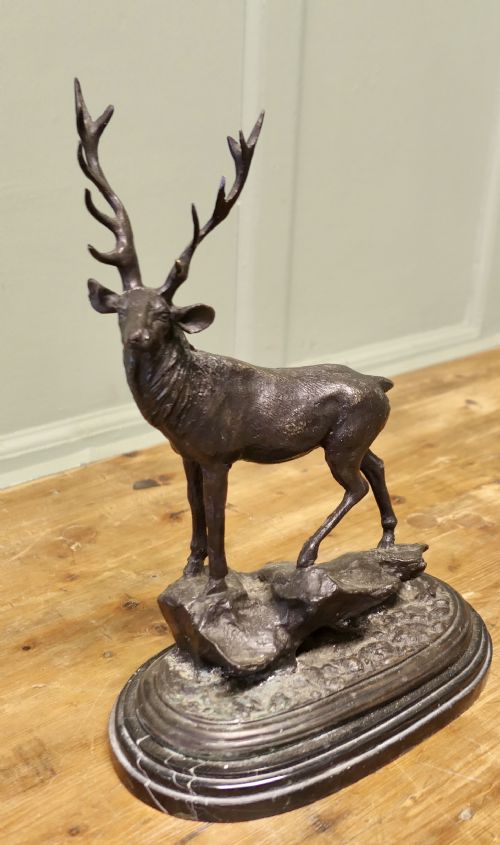
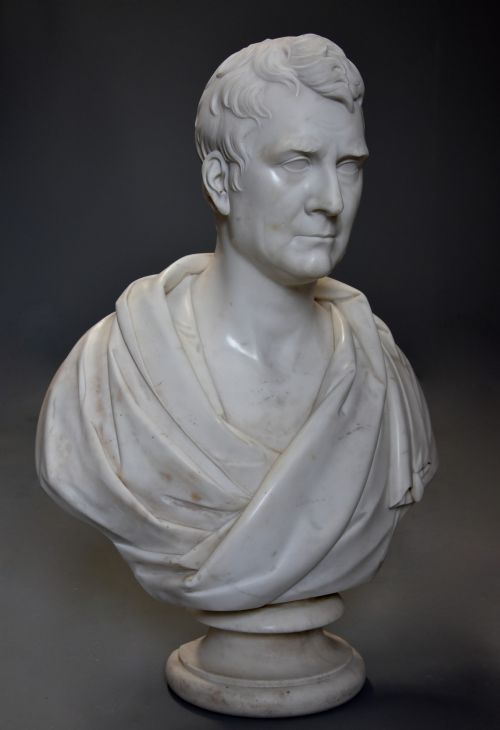
Italian and French workshops dominate the origins of these pieces, alongside Grand Tour souvenirs and British portrait busts. Subjects range from allegorical children and classical deities like Diana and Cupid to naturalistic animals.
Materials and construction
Carvers shaped white marble, Carrara marble, and alabaster using chisels and rasps to achieve smooth flesh tones and intricate drapery. Many figures incorporate cast bronze elements, from small accessories to entire animal figures mounted on carved stone plinths.
Signatures were typically incised directly into the stone or metal during the finishing process. Bases often utilise heavier contrasting stones, such as Portoro marble or slate, to anchor the heavier upper sculpture securely.
Signed Marble Statue Retail Price Guide 2026
Typical asking prices for signed marble statue among the pieces listed under this phrase on Sellingantiques today, from the lower quarter to the upper quarter. They describe what is for sale here now, not the wider market.
Materials recorded across the selection include Carrara marble, alabaster, onyx, bronze, and spelter.
Assessing quality and execution
Quality rests in the anatomical precision of the carving, the crispness of the signature, and the integration of mixed media. Superior pieces display subtle transitions in the stone surface and carefully detailed facial expressions.
The weight and selection of the supporting plinth also distinguish better examples, as does the quality of the bronze casting where metal meets stone.
P E Fiaschi·Auguste Henri Carli·R Mattei·Louis Auguste Moreau·H Bal·Eduardo Giolli·P Della Vedova·Ferdinando Vichi·R Henn·Andrey·E Laurent·I Rochard·Denise Delavigne·E Drouot·Clodion·R Lusili·Greuze·Gory·Feridah Francis Forbes Taylor
The Signed Marble Statue Glossary
- Carrara marble
- A fine-grained white or blue-grey stone quarried in Tuscany, widely utilised for nineteenth-century European busts and figures.
- Alabaster
- A softer, translucent stone often carved into lamps, figures, and decorative vessels with a warm, glowing quality.
- Animalier
- A nineteenth-century artistic style focusing on the realistic depiction of animals, frequently cast in bronze.
- Grand Tour
- A traditional trip through Europe undertaken by upper-class scholars, returning with small bronzes and marble sculptures.
- Portoro marble
- A dark black Italian limestone featuring dramatic gold veins, frequently used for sculptural bases.
Signed Marble Statue: Frequently Asked Questions
How do I clean a marble statue?
Dust the surface regularly with a soft, dry microfibre cloth to prevent dirt accumulation in the carved crevices.
Avoid using water, soap, or chemical cleaners, as these can damage the porous stone surface or the signature.
Where should I display these sculptures?
Place statues on sturdy, level surfaces away from direct sunlight and sudden temperature shifts. Heavy stone pieces require strong furniture or dedicated pedestals to support their substantial weight safely.
What is the difference between marble and alabaster?
Marble is a hard metamorphic rock formed from limestone, offering high durability and a fine crystalline structure. Alabaster is significantly softer and more translucent, allowing light to penetrate slightly beneath the surface.
How can I verify a signature?
Compare the incised lettering style, placement, and naming convention against known examples by the recorded maker or foundry. Signatures usually appear near the base or on the reverse of the carved form.