




Signed Landscape Wall Art
Signed landscape wall art brings authentic touch of traditional scenery into interiors through original brushwork and personal marks of individual painters.
Signed Landscape Wall Art
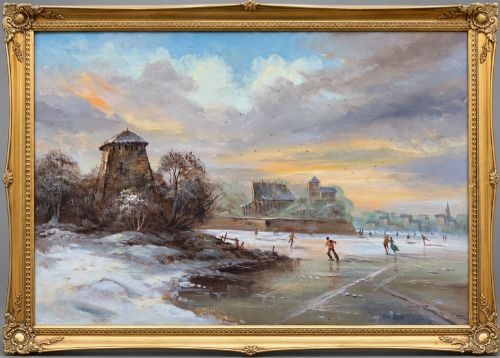
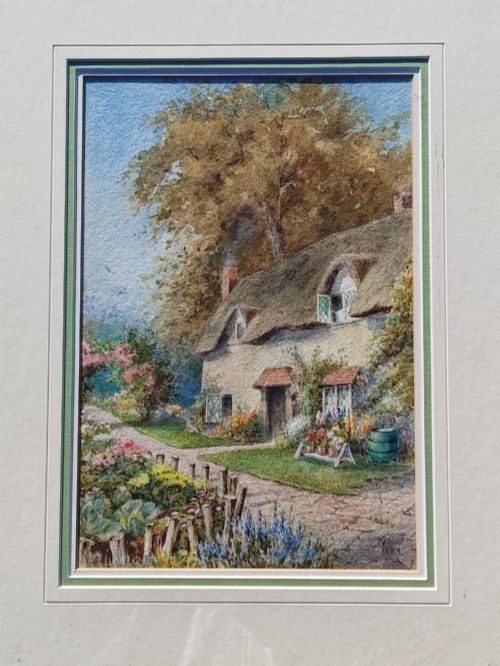
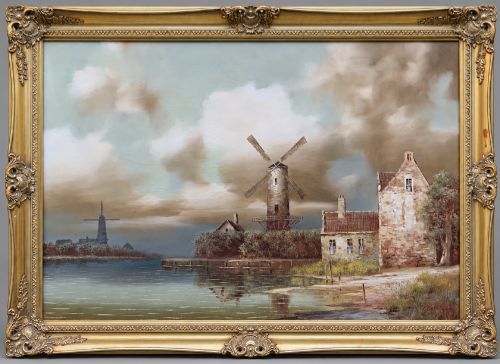
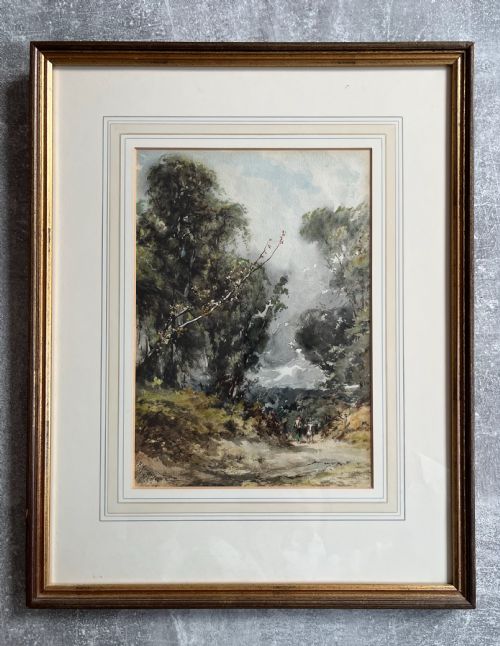
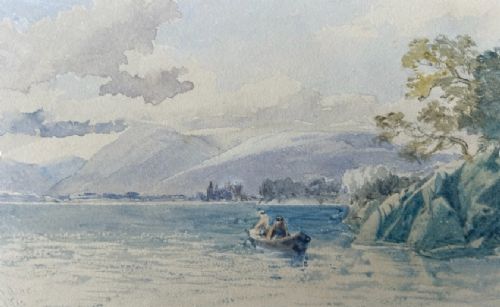
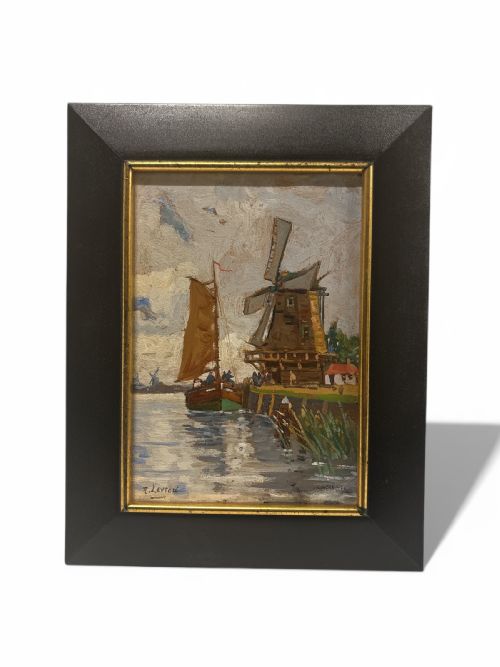
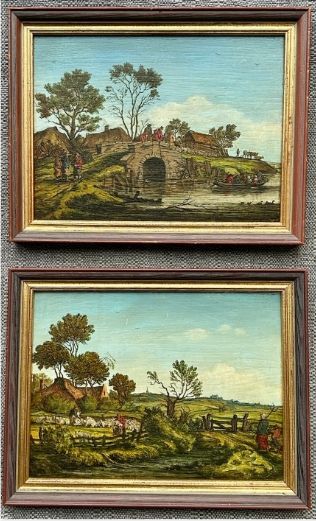
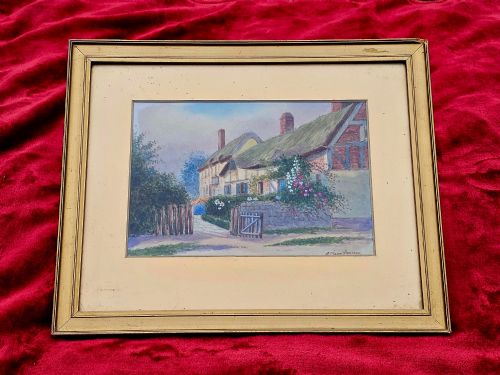
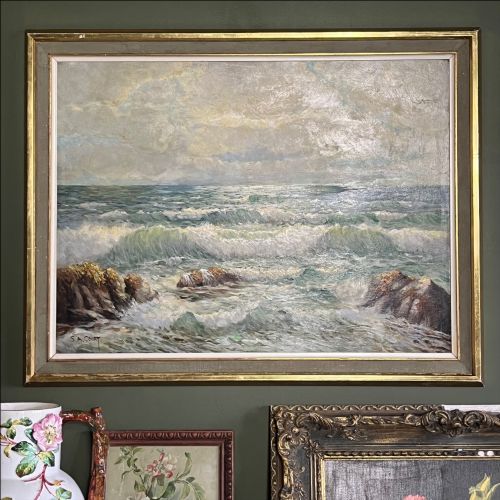
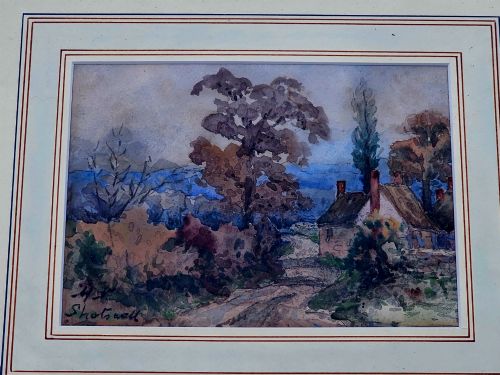
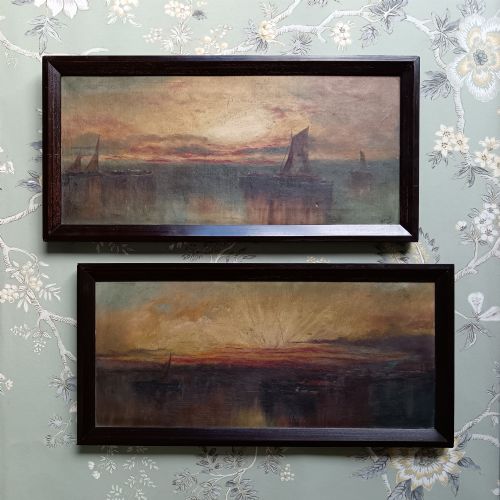
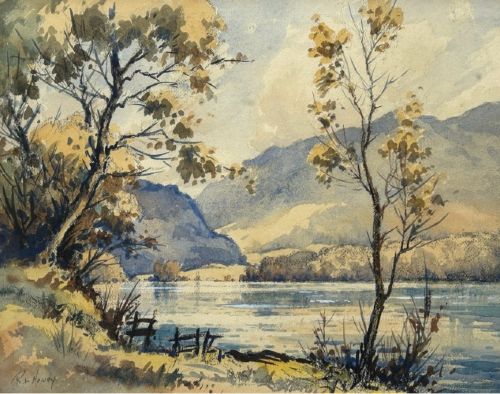
Signed landscape wall art encompasses original paintings and watercolours depicting natural scenery, rural views, and coastal settings bearing the autograph of the creator. Buyers searching this category encounter works ranging from nineteenth-century Victorian watercolours to mid-twentieth-century British and Scottish school compositions.
The most common examples on this page are oil paintings on canvas or board and watercolours on paper, often preserved in their original gilt or wood frames. These pieces typically capture specific locations across Britain, from Scottish highlands and Cumbrian lakes to Cornish harbours and Yorkshire rivers.
Dating spans from the Victorian period through the Edwardian era into the mid-century modern and post-war decades. Works often reflect regional artistic movements, including Impressionist influences and traditional British landscape traditions.
How they were made
Artists applied oil paint or watercolour using traditional brushes onto prepared supports of canvas, wood panels, thick board, or paper. Oil paintings on canvas often utilise layered impasto technique to build texture in rocky coastal seascapes or woodland scenes.
Watercolours rely on pigment suspended in water applied to paper, sometimes finished with delicate pen work or gum arabic for depth. Many works were created en plein air directly in the landscape before being mounted behind glass within timber and gilt frames.
Materials recorded across pieces include oil paint, watercolour, canvas, wood panels, glass, and gilt frames.
What varies in quality
The strength of the composition and the confidence of the brushwork separate superior pieces from simpler decorative works. Master painters handle light, atmosphere, and spatial depth with distinct assurance, rendering natural elements such as water, foliage, and skies with convincing fidelity.
The preservation of the original surface and its contemporaneous frame contributes significantly to the integrity of the piece. Unrestored canvases and watercolours retaining clear signatures, legible dates, and period framing offer a more complete historical record.
Kenneth Cozens·George Fotherly Hargitt·Thomas Miles Richardson Jnr·James Orrock·Tom Campbell·Robert Leslie Howey·George Houston·Robert Morson Hughes·Henry H Parker·John Bond·Vernon DeBeauvoir Ward
The Signed Landscape Wall Art Glossary
- Watercolour
- Painting method where finely ground pigments are mixed with water-soluble binders and applied to paper. This medium allows for transparent washes and luminous effects particularly favoured in nineteenth-century British landscape art.
- Impasto
- Technique where paint is laid onto a canvas or board in thick layers that stand out from the surface. This method preserves the visible marks of the brush or palette knife, adding tactile dimension to coastal and woodland scenes.
- En plein air
- French expression describing the practice of painting outdoors to capture direct observations of natural light and weather. Painters utilised this approach to record changing coastal conditions and rural atmospheres.
- Gilt frame
- Timber framing finished with a thin layer of gold leaf or metallic gilding. These decorative surrounds often date from the same period as the artwork and enhance the visual presence of the painting.
- Scottish School
- Designation for artists working in Scotland who shared distinct regional approaches to landscape and marine painting during the nineteenth and twentieth centuries. Works often highlight dramatic northern light and rugged terrain.
Signed Landscape Wall Art: Frequently Asked Questions
How do I identify the artist?
Look closely at the lower corners of the painting for handwritten signatures, monograms, or dates applied by the artist. Comparing these inscriptions with recorded biographical details helps confirm the creator.
Examine the back of the canvas, board, or frame for old gallery labels, exhibition stamps, or handwritten notes providing further provenance.
What is the difference between oil and watercolour?
Oil paintings utilise slow-drying paint bound in oil, applied to canvas or wood panels to create rich textures and deep colour saturation. They usually require display without glass protection.
Watercolours use water-soluble pigments on paper and demand protection behind glass to prevent moisture damage and fading from direct sunlight.
How should I hang landscape art?
Position paintings at average eye level on walls away from direct sunlight and heat sources to protect delicate pigments and paper supports. Stable indoor humidity prevents warping in wooden panels and canvas stretchers.
Ensure wall fixings are appropriate for the weight of the frame, particularly for large oil paintings housed in heavy timber surrounds.
Are original frames important?
Original frames provide historical context and often complement the aesthetic of the period in which the landscape was created. Gilt or wood mouldings designed specifically for the artwork enhance its visual integrity.
While frames may show minor signs of age, matching the piece to a contemporaneous surround preserves its authentic character.