


Signed Canvas Artwork
Signed canvas artwork offers a direct encounter with an artist's hand, bringing historical portraits, landscapes, and still lifes into domestic spaces through enduring oil paint.
Signed Canvas Artwork
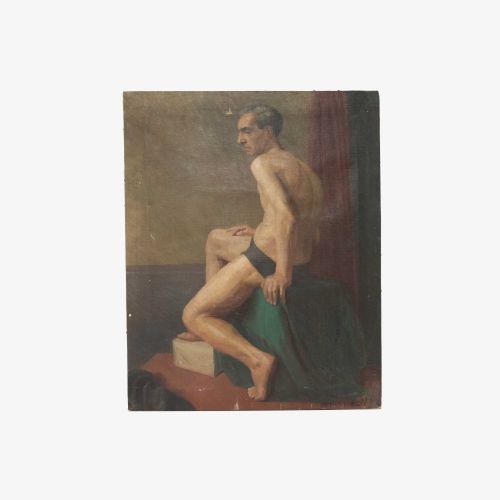
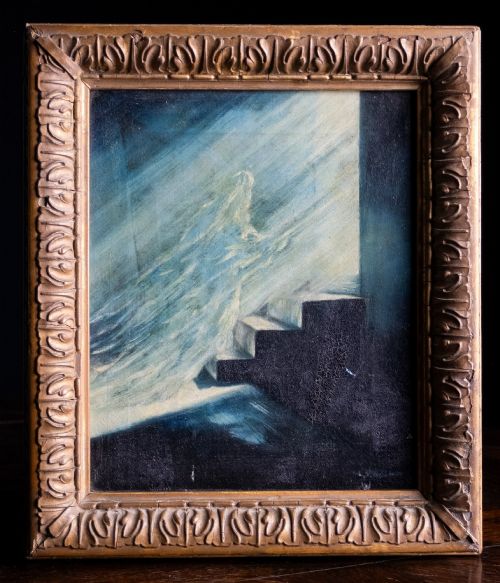
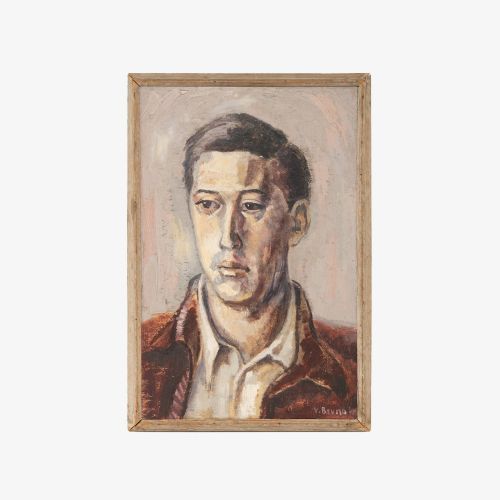
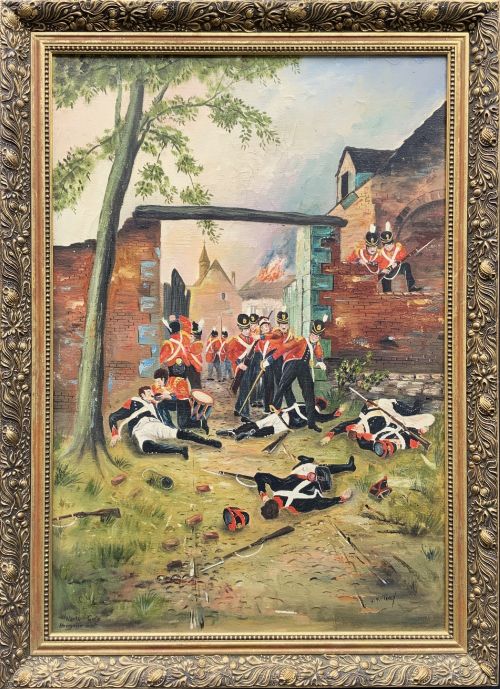
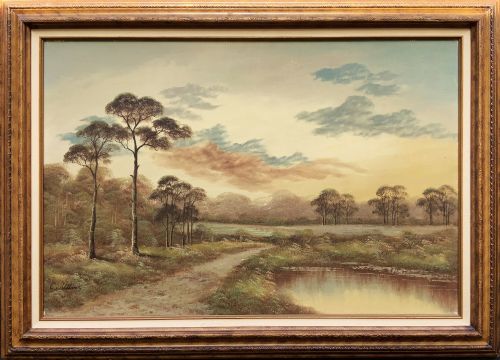
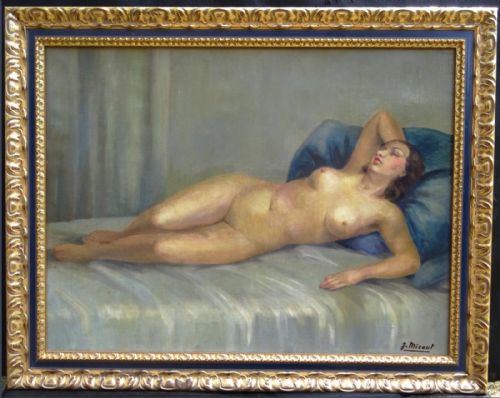
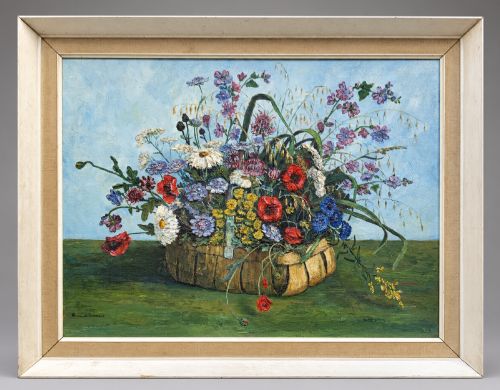
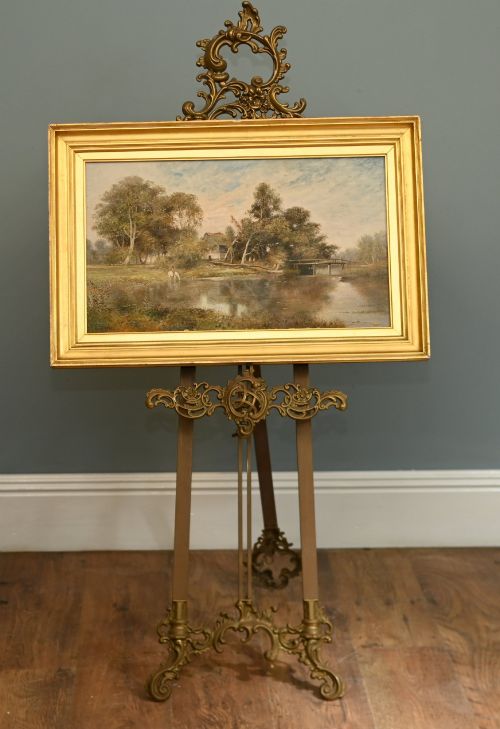
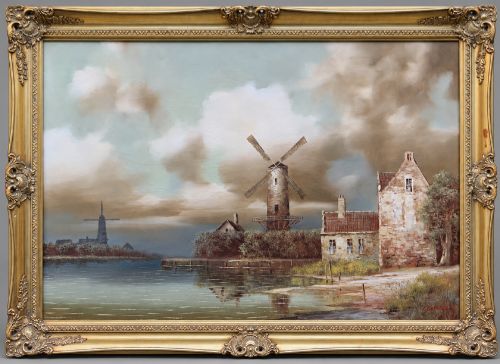
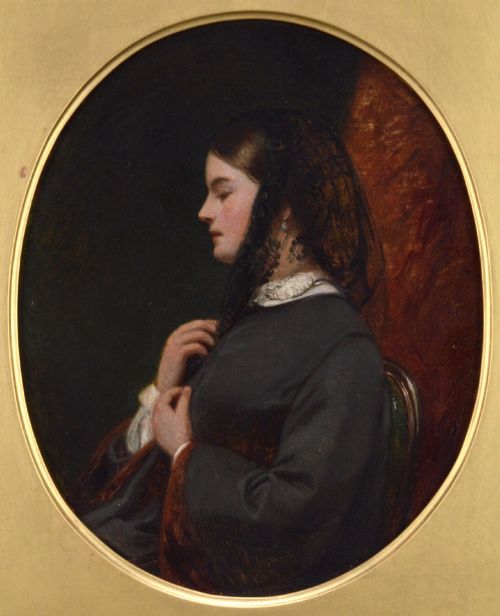
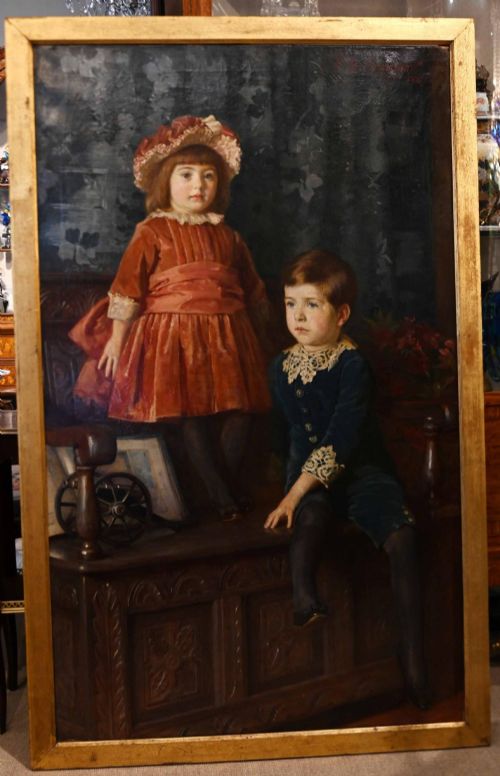
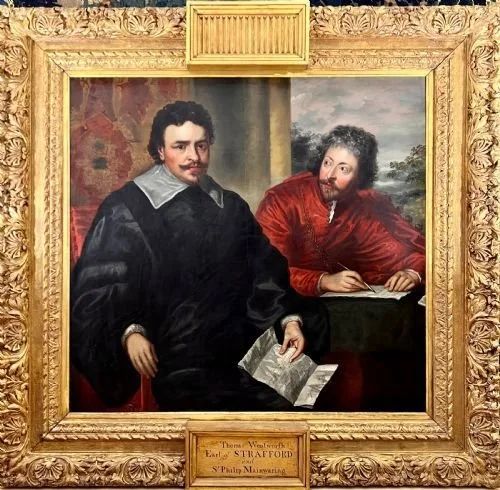
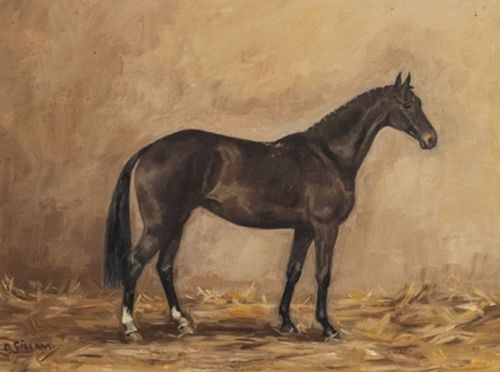
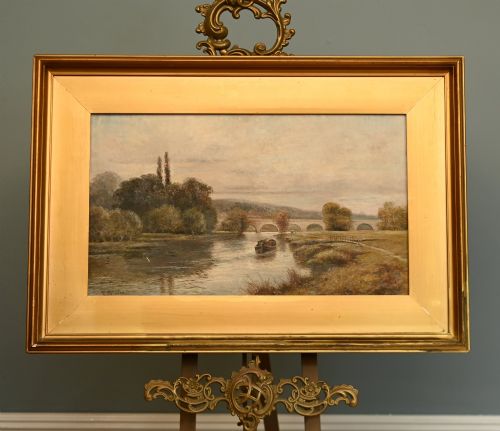
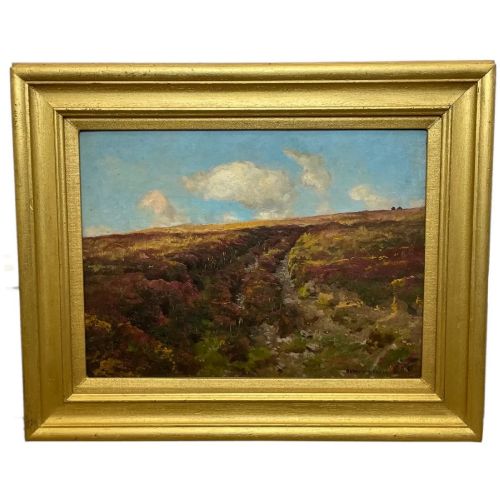
A signed canvas artwork comprises oil paintings on stretched fabric created across the nineteenth and twentieth centuries, spanning periods from Victorian and Edwardian to Art Deco and mid-century modernism. Buyers seeking signed canvas artwork encounter varied subjects including serene river landscapes, maritime scenes, intimate portraits, and floral still lifes.
The selections available range from early nineteenth-century academic portraiture and British realism to Dutch school winter landscapes and post-impressionist compositions. Each piece bears the visible signature of the artist, anchoring the work to a specific creator and historical moment.
Materials and Technique
These works rely on traditional oil paint applied to woven canvas stretched over wooden frames, often supported by ornate giltwood and gesso frames. Artists built up textures using rich pigment loads, capturing light and depth through layered brushwork.
The physical structure combines sturdy wood supports with primed textile surfaces, preserving the integrity of the paint layer across decades of display.
Signed Canvas Artwork Retail Price Guide 2026
Typical asking prices for signed canvas artwork among the pieces listed under this phrase on Sellingantiques today, from the lower quarter to the upper quarter. They describe what is for sale here now, not the wider market.
Listings feature canvases spanning from the 18th century through the 1960s, executed in oil paint on wood and canvas supports.
What Varies in Quality
Distinction in these paintings rests on the fluidity of the brushwork, the convincing rendering of light and atmosphere, and the preservation of the original paint surface. Superior works demonstrate confident draftsmanship and compositional balance that elevate the subject beyond standard commercial production.
The harmony between the canvas and its period frame also influences the overall integrity of the piece, as original gilt gesso mouldings complement the artistic period of the painting.
Gaastra·Trajan Hughes·E Steele·FS Beaumont·F Staple·G. J. S. Bary·Kenneth Cozens·William H Myers·Frederick Marriott·Arthur Wardle·I. Berezny·Alfred Fontville de Breanski Jr·B. Nash·George Houston·Stephen Samuel Lewin·John Rose Miles·Robert Morson Hughes·Vittorio Reggianini·Arthur Gué·Lucy Pratt·Bernard Benedict Hemy·Herbert Ashwin Budd·Eric Brown·William Oliver·Edgar Hunt
The Signed Canvas Artwork Glossary
- Canvas
- A heavy woven fabric used as a surface for painting, typically stretched tightly over a wooden frame. It provides a flexible yet durable support for oil media.
- Giltwood
- Wood carved and covered with a thin layer of gold leaf or metallic gilt powder. This material frequently frames nineteenth and twentieth-century paintings.
- Gesso
- A plaster-like mixture applied to frames or canvases to prepare the surface for gilding or painting. It allows intricate decorative mouldings on picture frames.
- Post-Impressionism
- An art movement developing roughly from the late nineteenth century that extended impressionist concepts while rejecting its limitations. Artists focused on heavier symbolism and bolder colour manipulation.
Signed Canvas Artwork: Frequently Asked Questions
How should I clean a signed canvas artwork?
Surface dust may be gently removed with a very soft, dry brush, avoiding any moisture or pressure on the painted area. Professional conservators should handle deeper cleaning or varnish removal.
Harsh chemical cleaners or damp cloths risk damaging both the fragile oil pigments and the artist's signature.
Are these paintings supplied with frames?
Many examples are housed in their original period frames, such as ornate gilt gesso mouldings that match the era of the canvas. These frames contribute historical context to the artwork.
Descriptions specify whether a particular piece includes its period frame or requires separate framing choices.
How do I identify the period of the painting?
Stylistic clues such as brushwork techniques, subject matter, and clothing styles in portraits help assign a general timeframe. Signatures can often be cross-referenced with historical artist registries.
Canvas construction methods and stretcher frame types also offer physical evidence of a work's age.
Where should I hang an oil on canvas?
These works benefit from placement away from direct sunlight and dramatic fluctuations in temperature or humidity. Stable indoor environments prevent the canvas and wooden stretcher from warping.
Proper wall placement ensures the oil paint and gilt frame remain preserved for future years.